I wanted to explore the city of Peshawar and show the sights to the children in the family. I arranged with a local guide, Saeed Khan, to arrange a trip for us. He selected a few sites and we set off
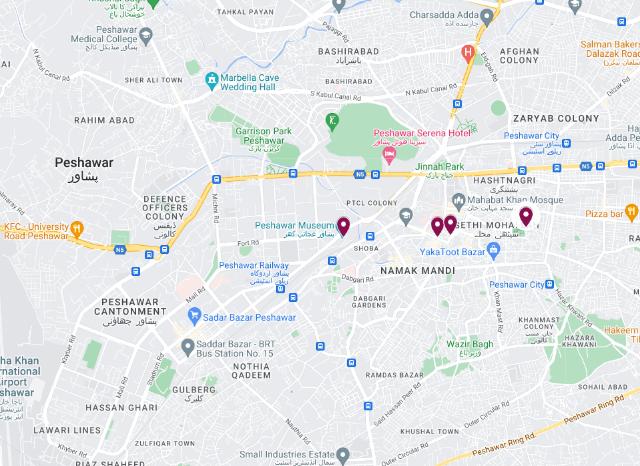
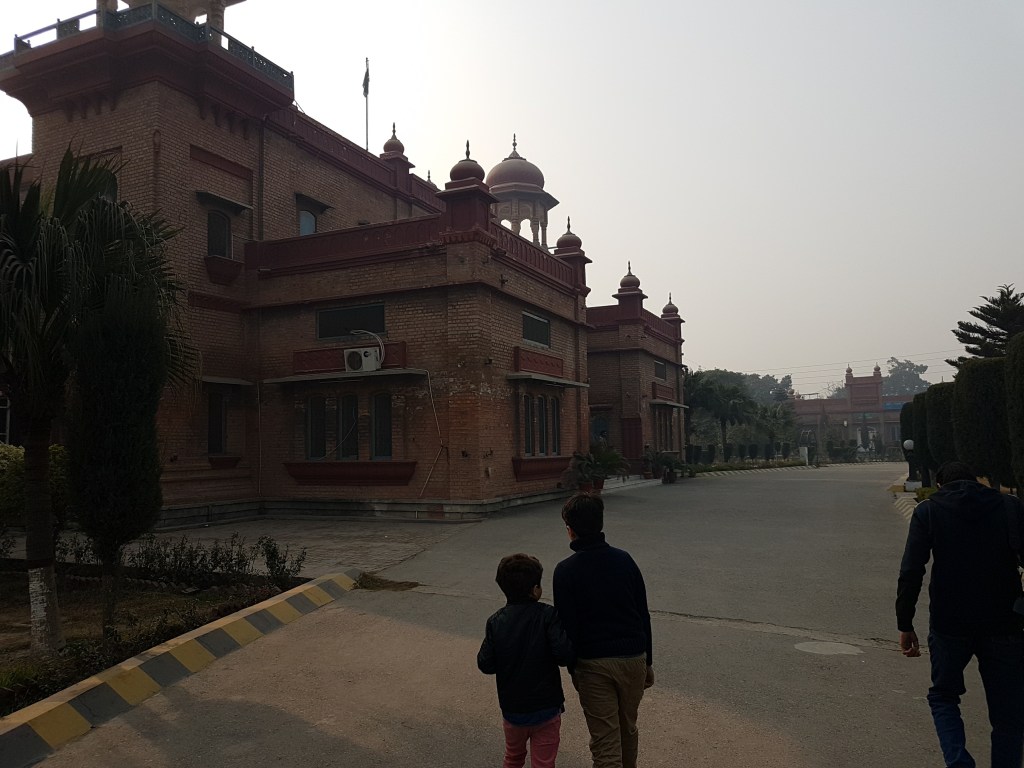
1. The first stop would be to go to the Peshawar Museum which has a great collection of Gandhara Buddhist art. The building itself has a rich history that reflects its colonial origins.
The museum building was constructed in 1906–1907 to commemorate the Golden Jubilee of Queen Victoria, the Empress of India. It was initially called the Victoria Hall. Originally community hall and assembly space for public gatherings and events. It was repurposed into a museum shortly after its construction to house the growing collection of Gandharan artifacts and other archaeological treasures
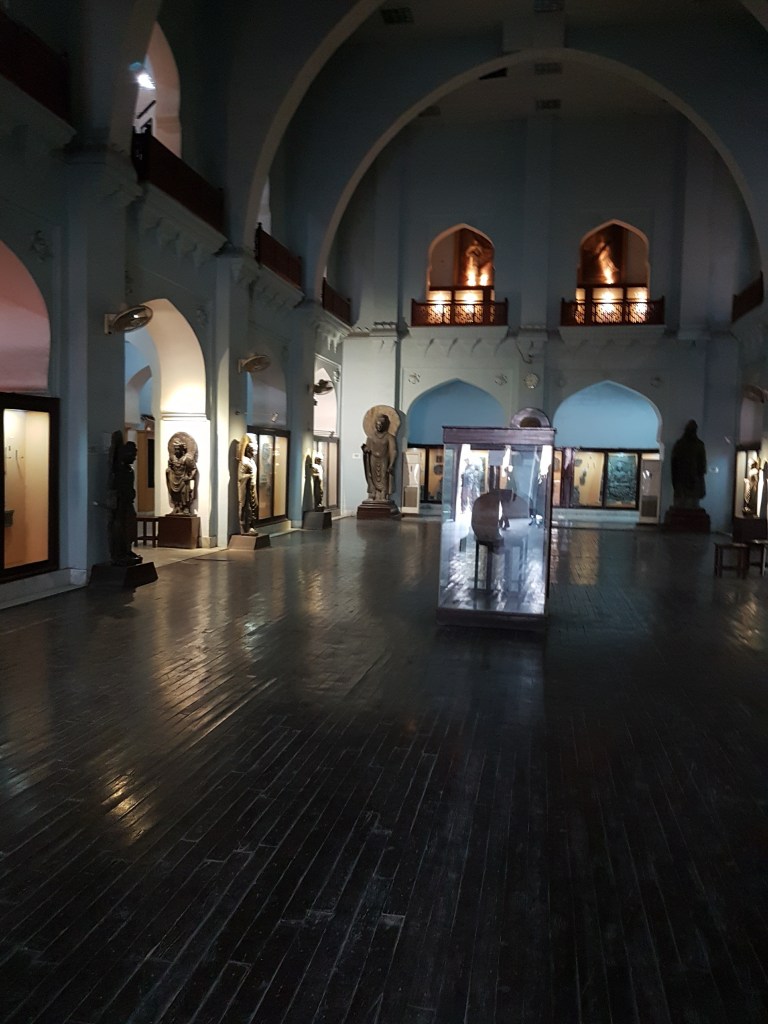

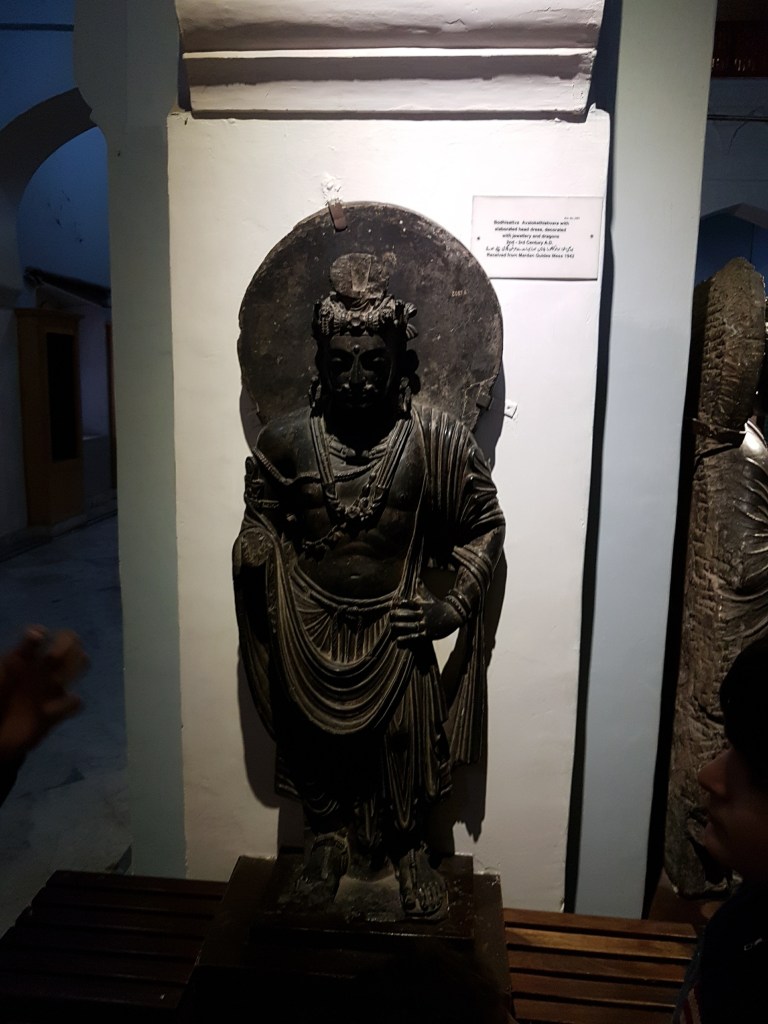
Inside the building there are numerous statues that were discovered in various sites around the province.
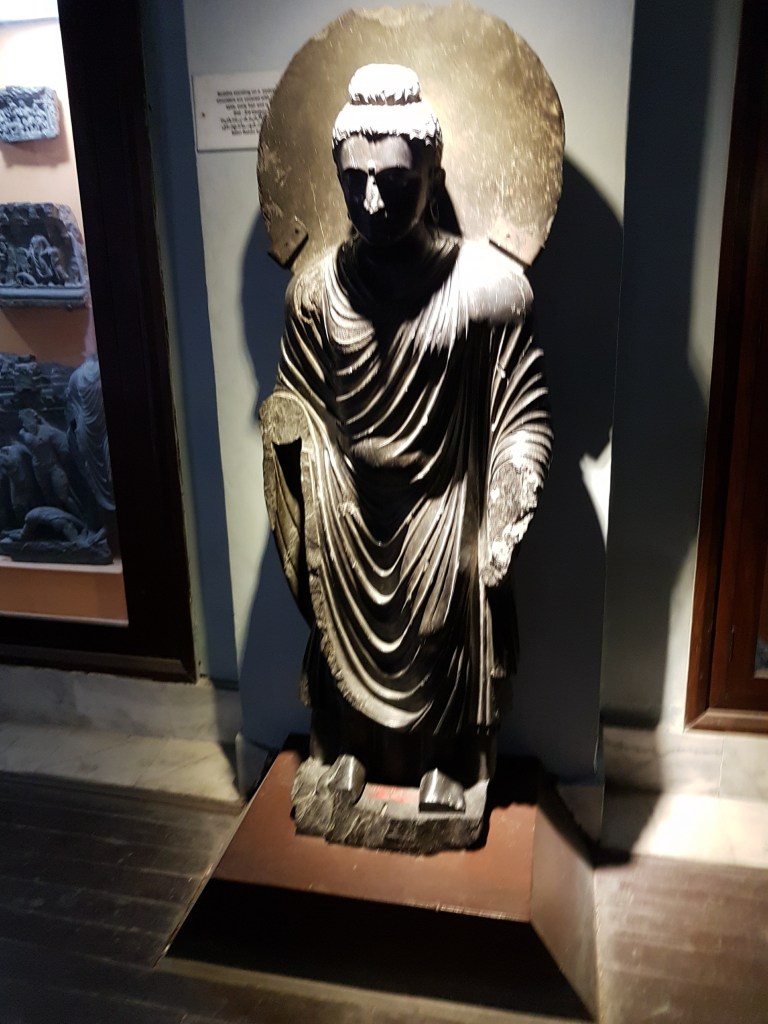
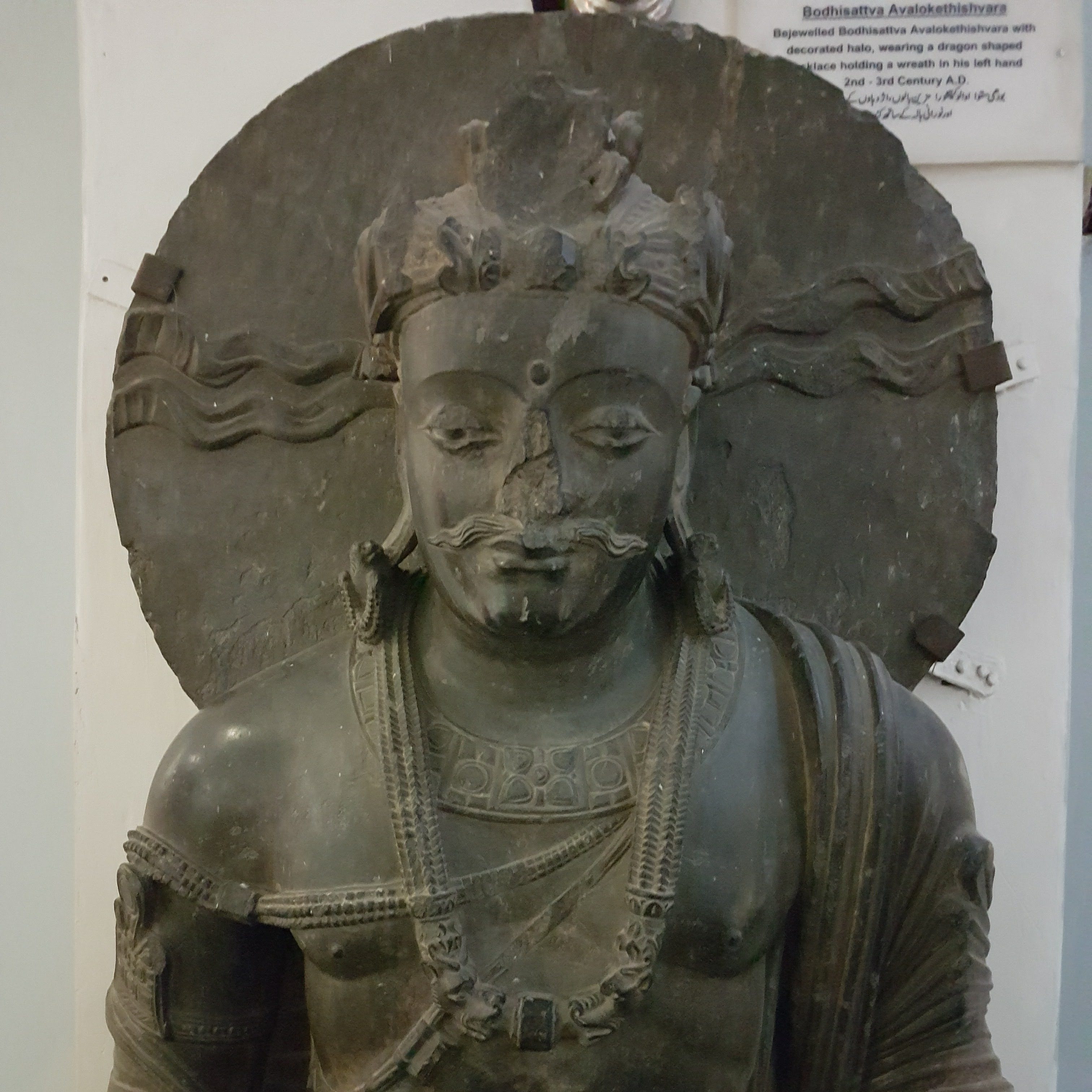

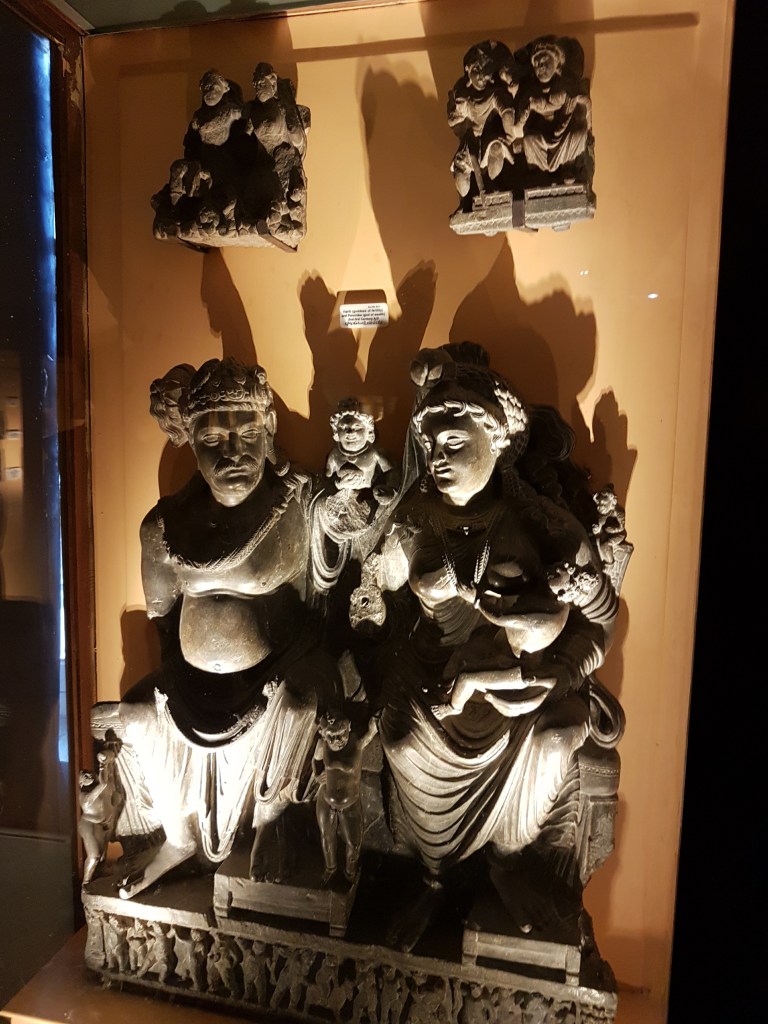


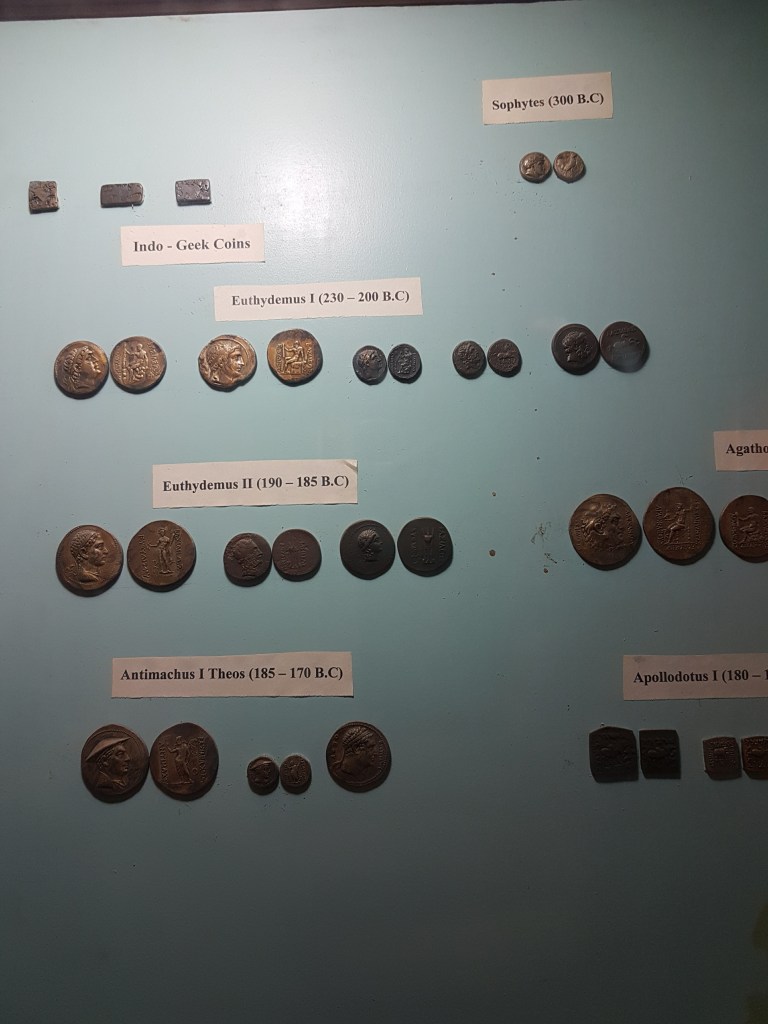
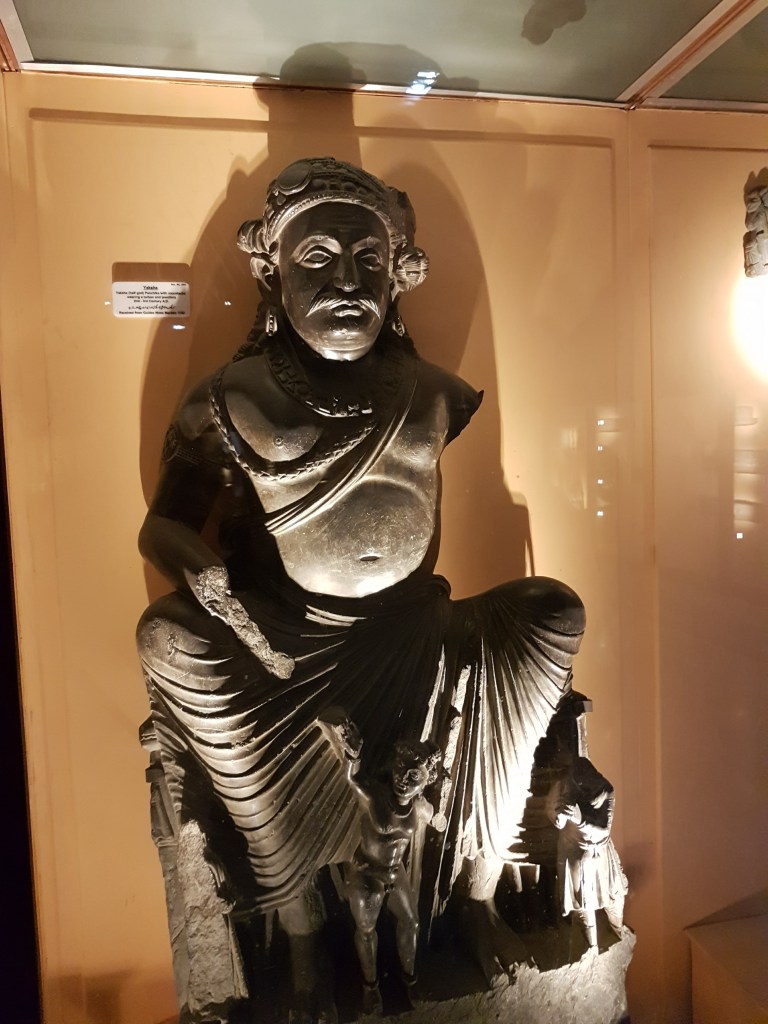
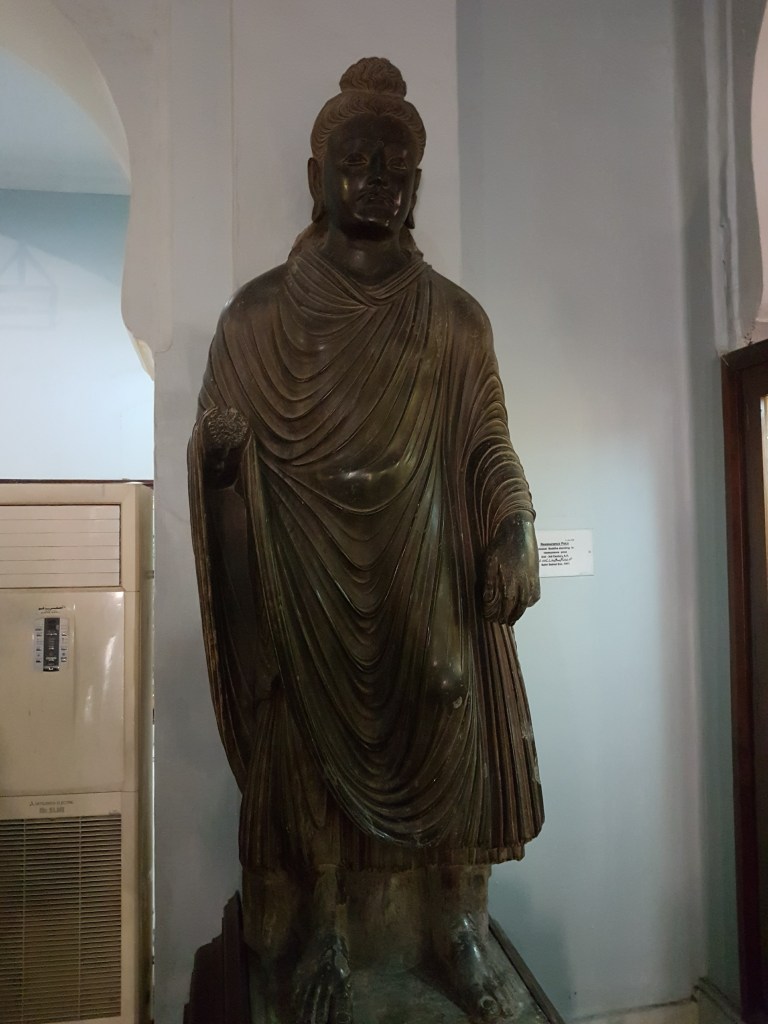
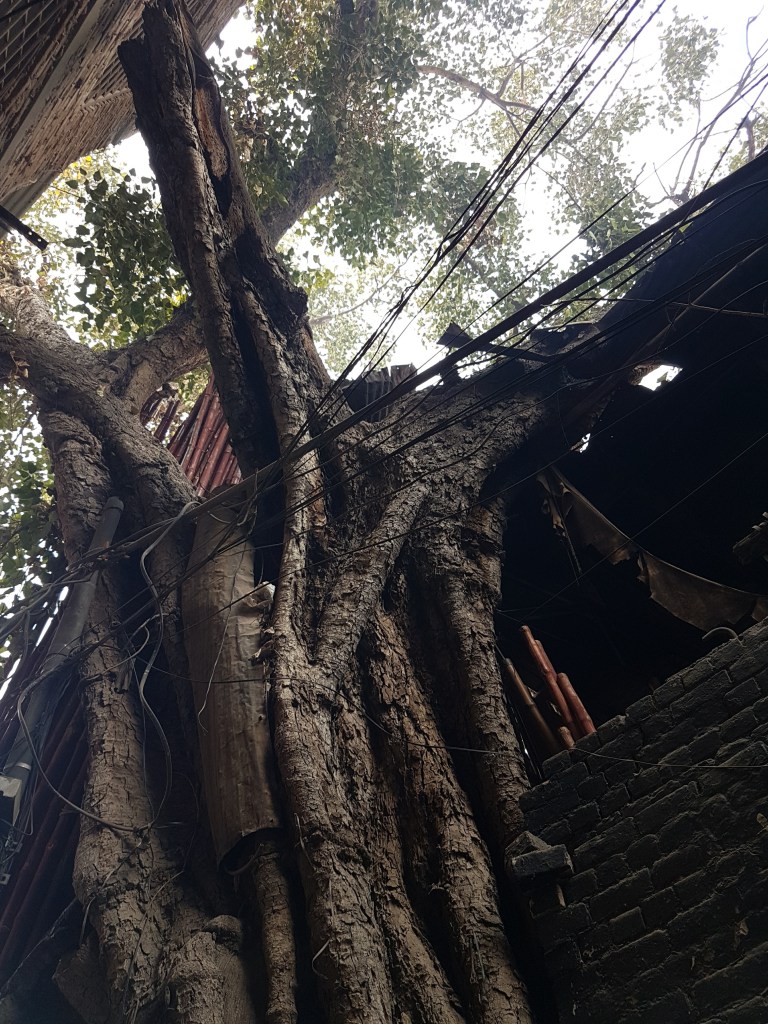
2. For the second stop we parked in the old Qissa Khwani Bazar, the famous Market of story tellers. Here we walked through narrow alley ways. Dotted around the old city are old Pipal (Ficus religiosa) trees.
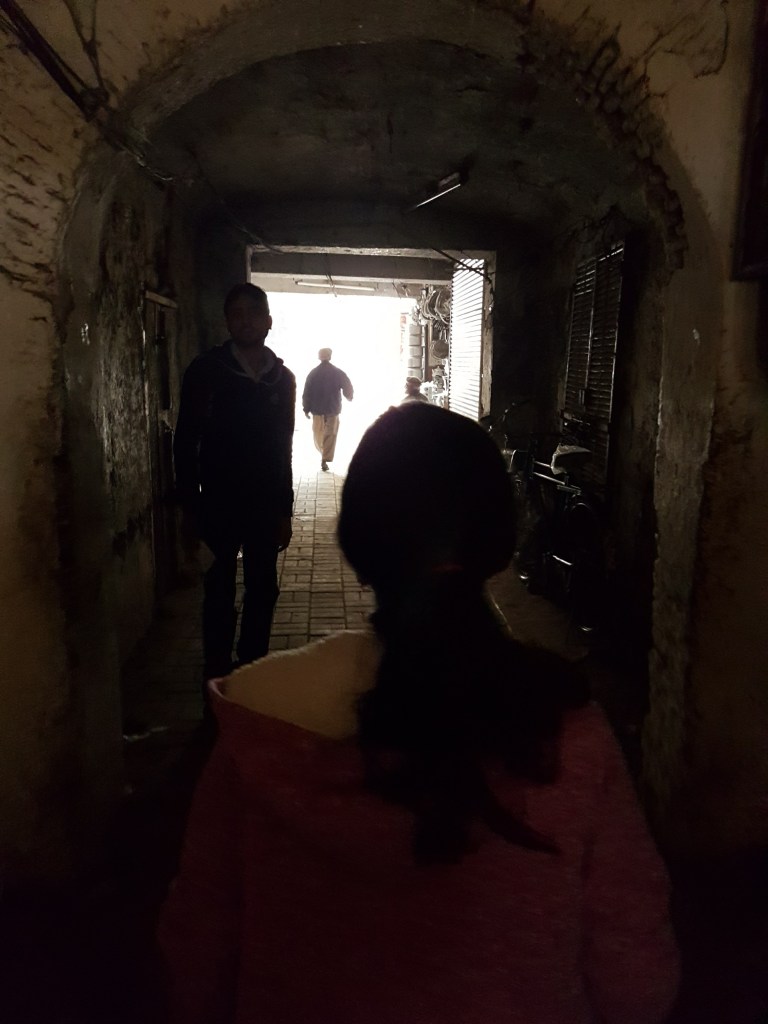

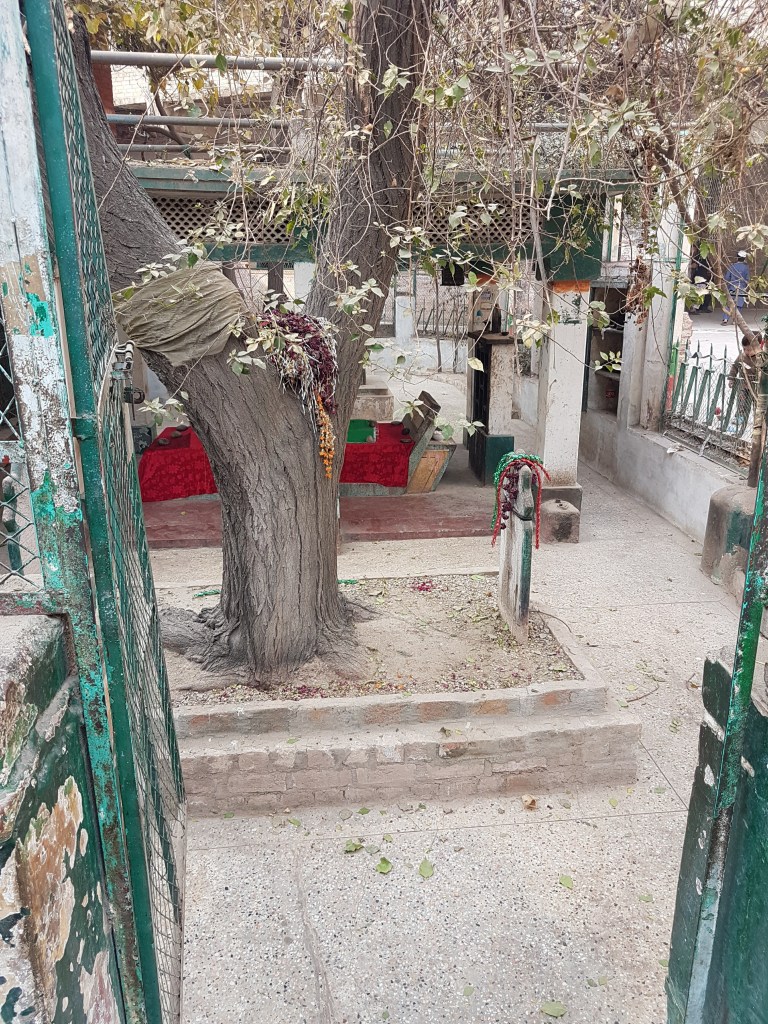
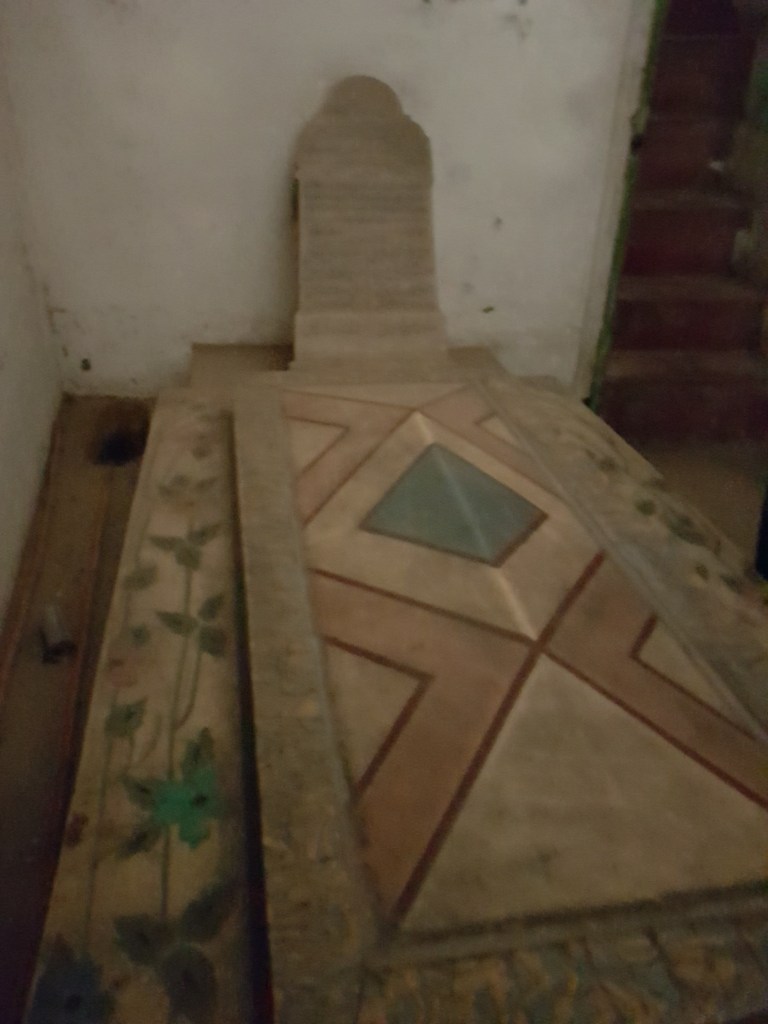
We reached Masjid Qasim Ali where I took the kids to see the grave of my Great Grand Father, Ghulam Samdani, who is buried in the Mosque.
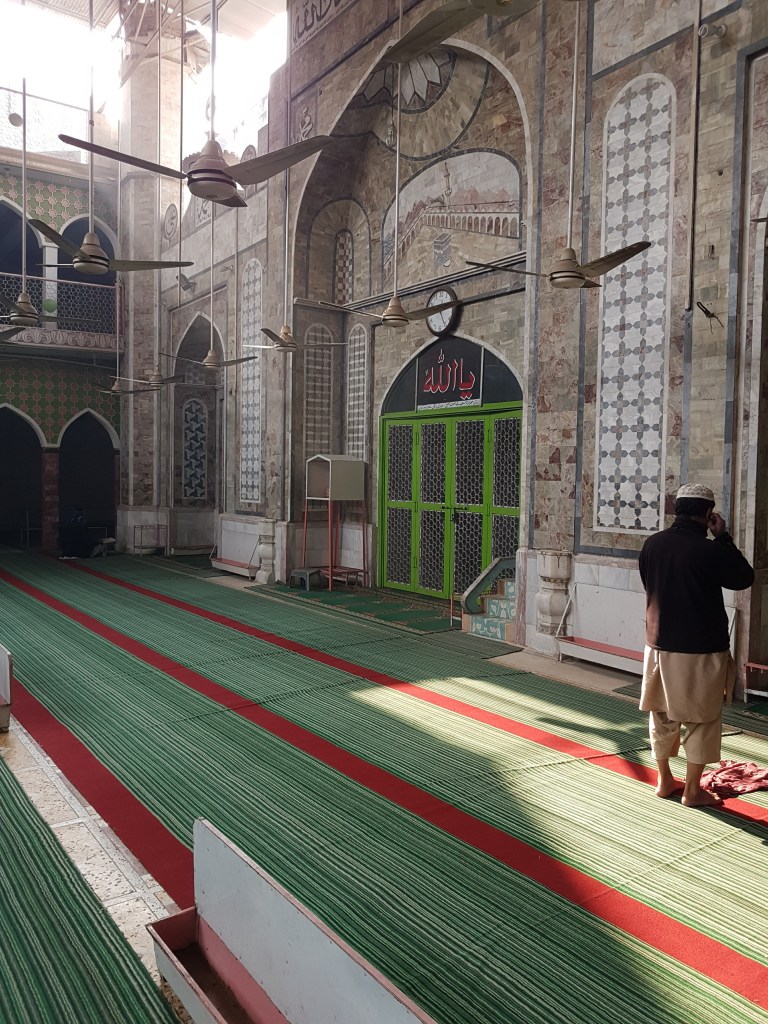
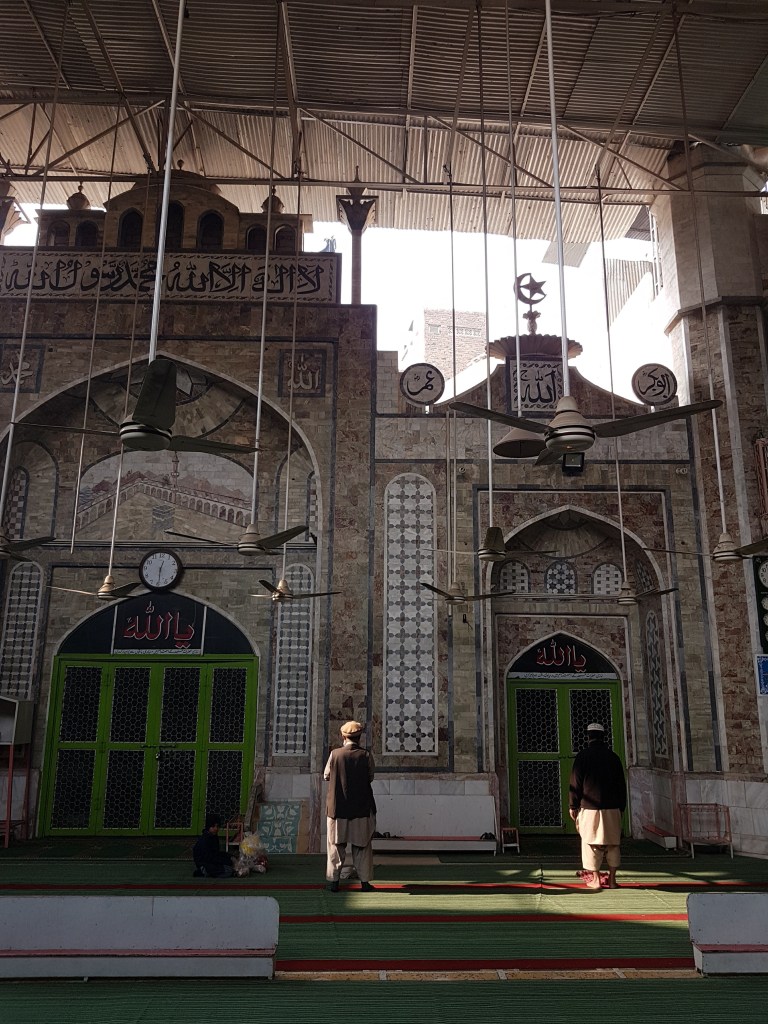
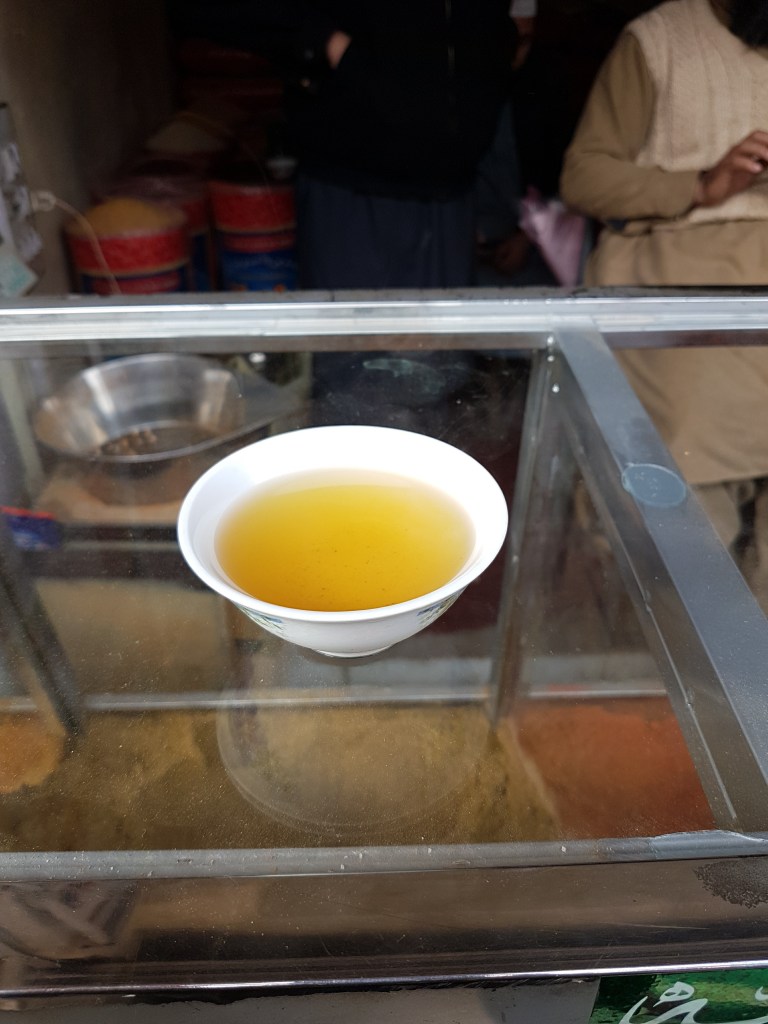
Outside the Mosque, the shop keepers offered us local Green Tea.
3. The final stop was Gor Khattri, this is a historical and archaeological site located in the heart of Peshawar. Its history spans thousands of years. The site’s history dates back to the Vedic period, when it was a place of spiritual significance. The name “Gor Khattri” roughly translates to “Warrior’s Grave” in Sanskrit.
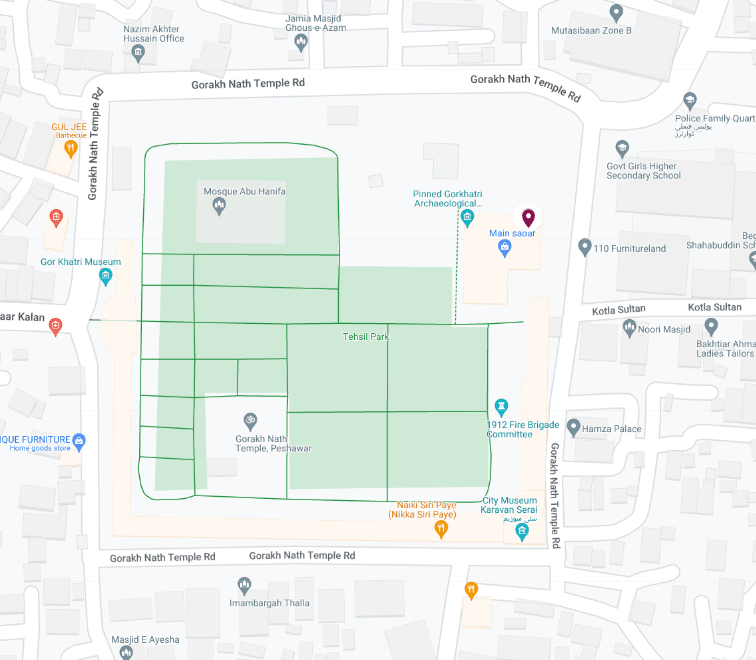
There is an old Hindu Temple dedicated to the sage Goraknath. We were allowed in but not able to take pictures as it is now a functioning temple.
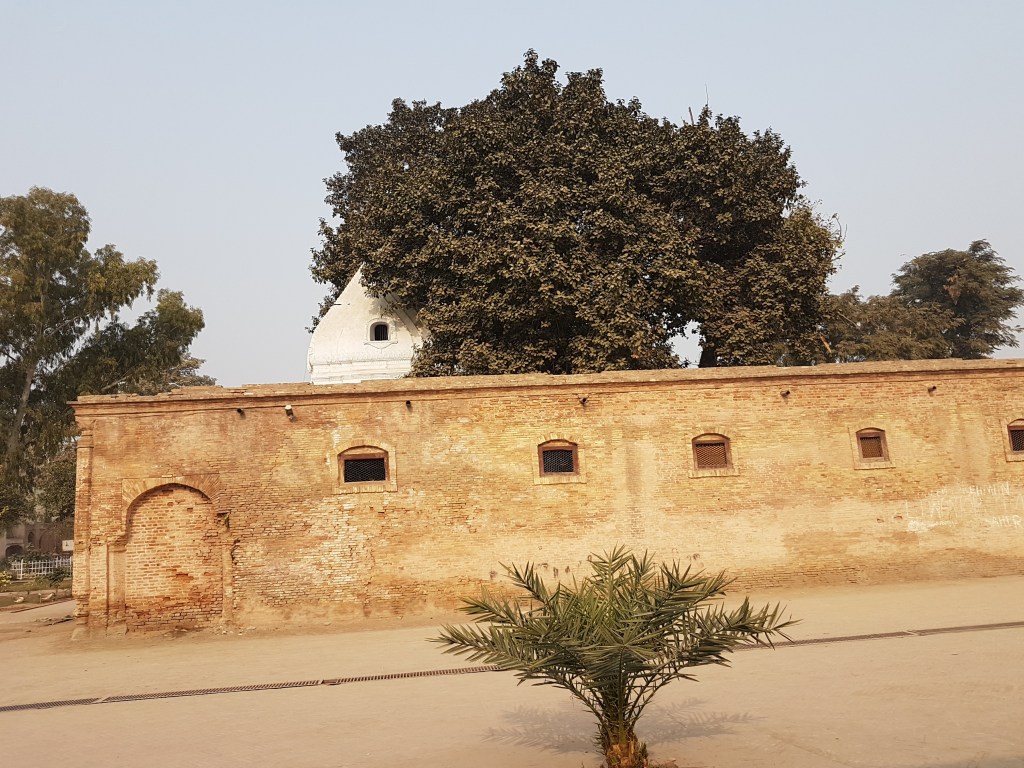

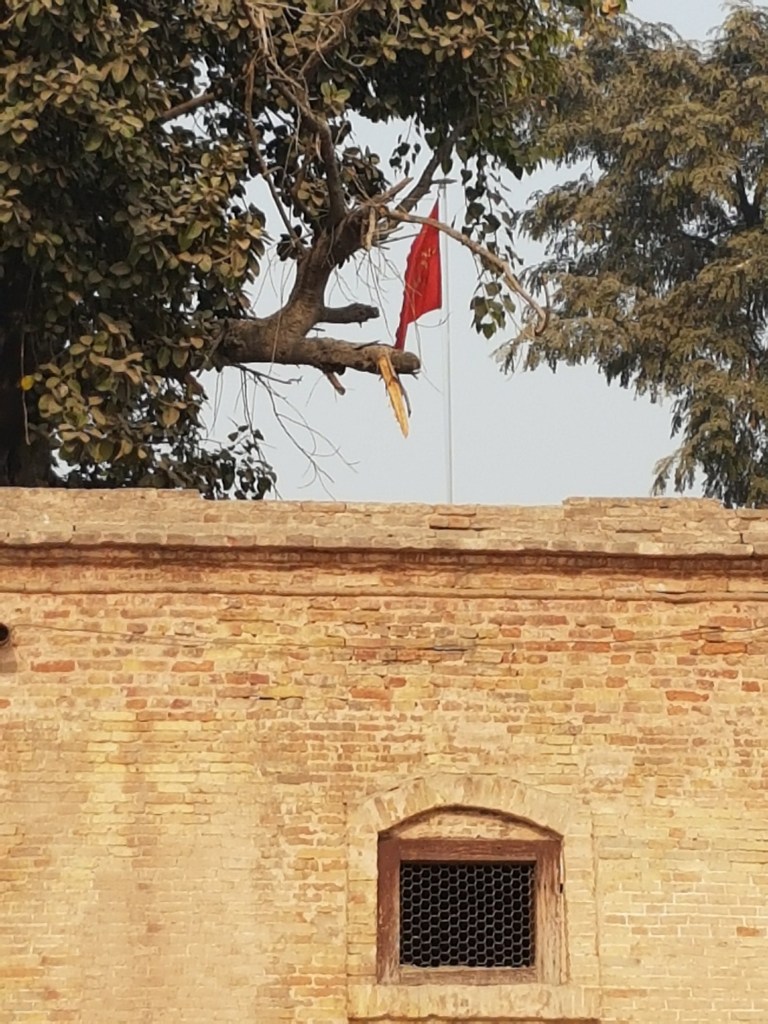
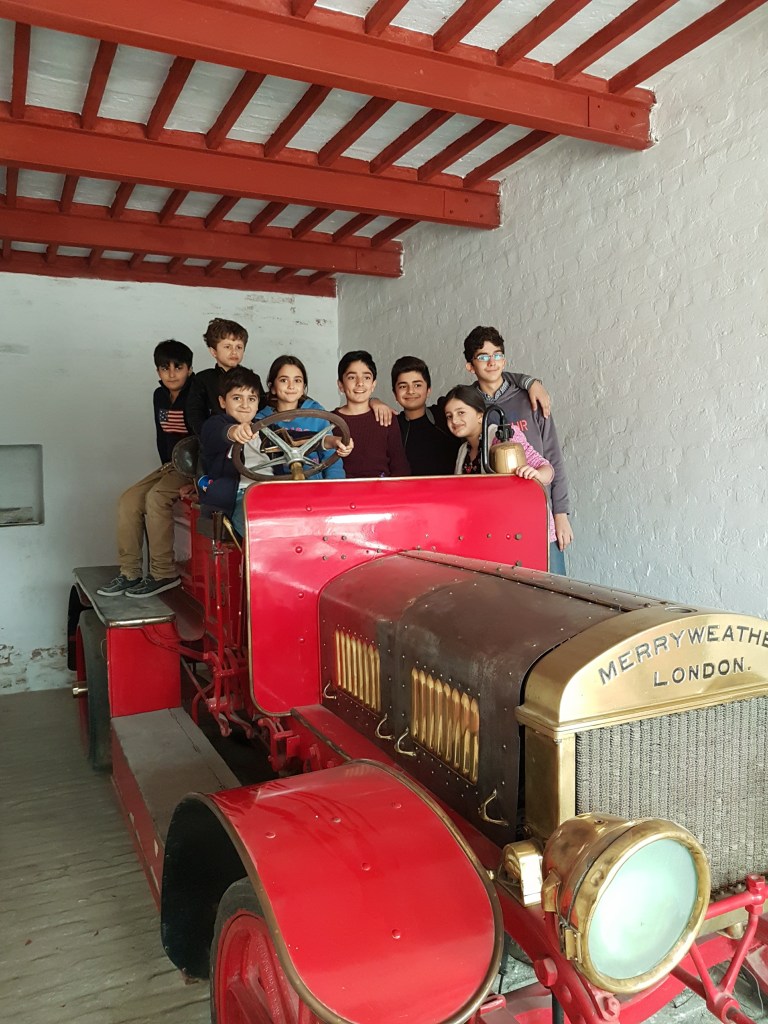
Also contained in Ghor Khattri was the Peshawar 1912 Fire Brigade Committee. This was formed during the British colonial era, specifically in 1912, to manage and oversee fire-fighting services in Peshawar. They still have an old fire engine at the site.



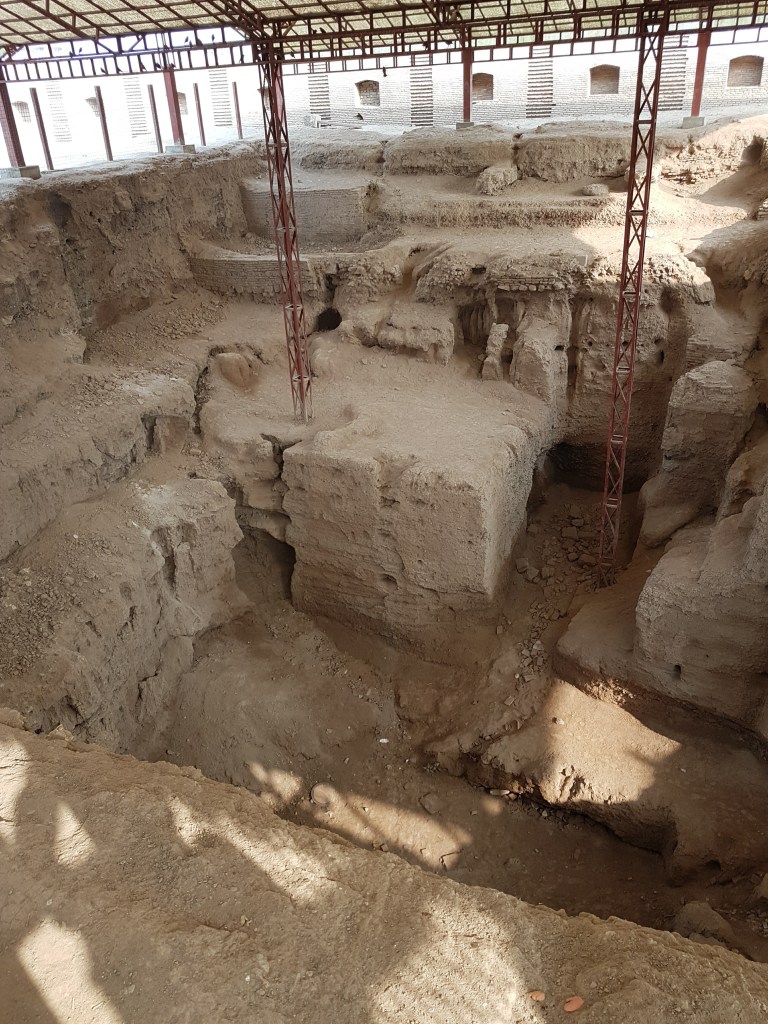
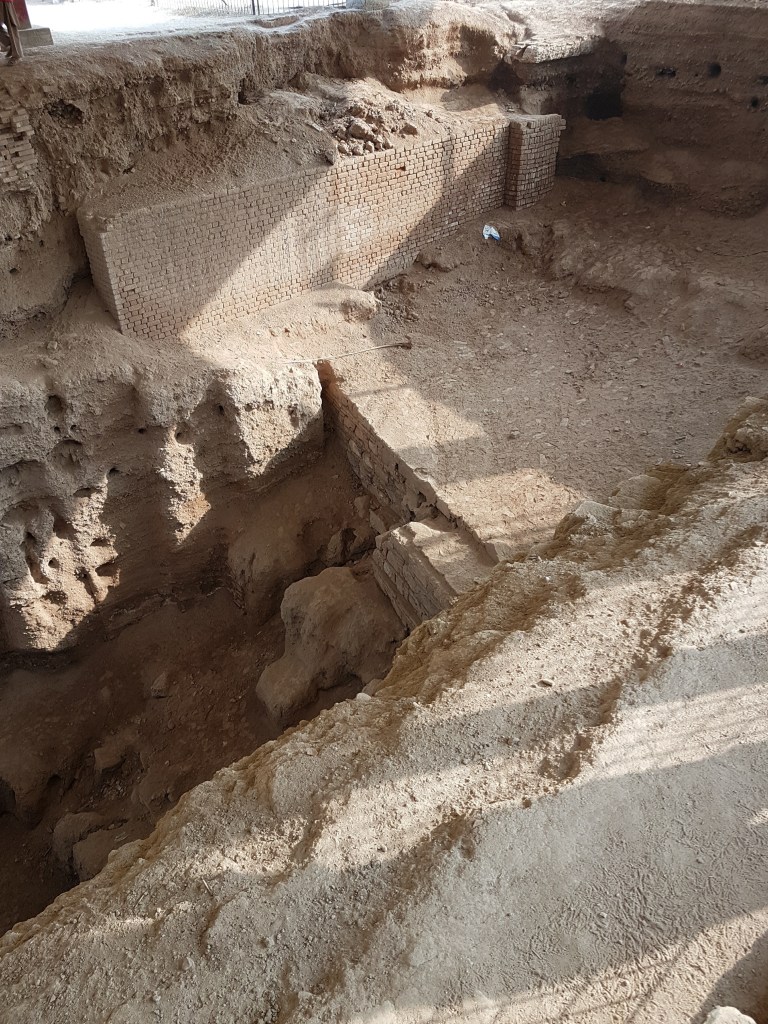
Then we saw the excavation sites, excavations at the site have unearthed artifacts from various periods, confirming its continuous use for over 2,000 years.
Beginning with the Indo-Greeks (2nd–1st century BCE), it became a center of Buddhist culture under the Kushan Empire (1st–3rd century CE), notably during the reign of Kanishka the Great. It then saw control by the Sassanian Empire (3rd–4th century CE), White Huns (4th–6th century CE), and the Hindu Shahi Dynasty (9th–10th century CE), which fostered Hinduism in the region. The city’s Islamic history began with its conquest by Mahmud of Ghazni during the Ghaznavid Empire (10th–12th century CE), followed by the Ghurid Empire (12th century CE) and later the Delhi Sultanate (13th–16th century CE). Under the Mughal Empire (16th–18th century CE), Peshawar flourished with architectural and cultural developments. It later served as a winter capital for the Durrani Empire (1747–1826 CE), before being annexed by the Sikh Empire (1826–1849 CE) under Maharaja Ranjit Singh. After the British defeated the Sikhs in 1849, Peshawar became a key city under the British Raj (1849–1947 CE), and following the partition of India in 1947, it became part of Pakistan.
This 2,000 years of history:
After Picnicking on locally made Chapli Kebab, we went home.
 History of Gandhara
Leave a comment