Shahbazgarhi, located in the Mardan District of Khyber Pakhtunkhwa, Pakistan, is a site of great historical significance, particularly due to its association with the Mauryan Empire and the famous Edicts of Emperor Asoka (ruled from 268BCE to 232 BCE).
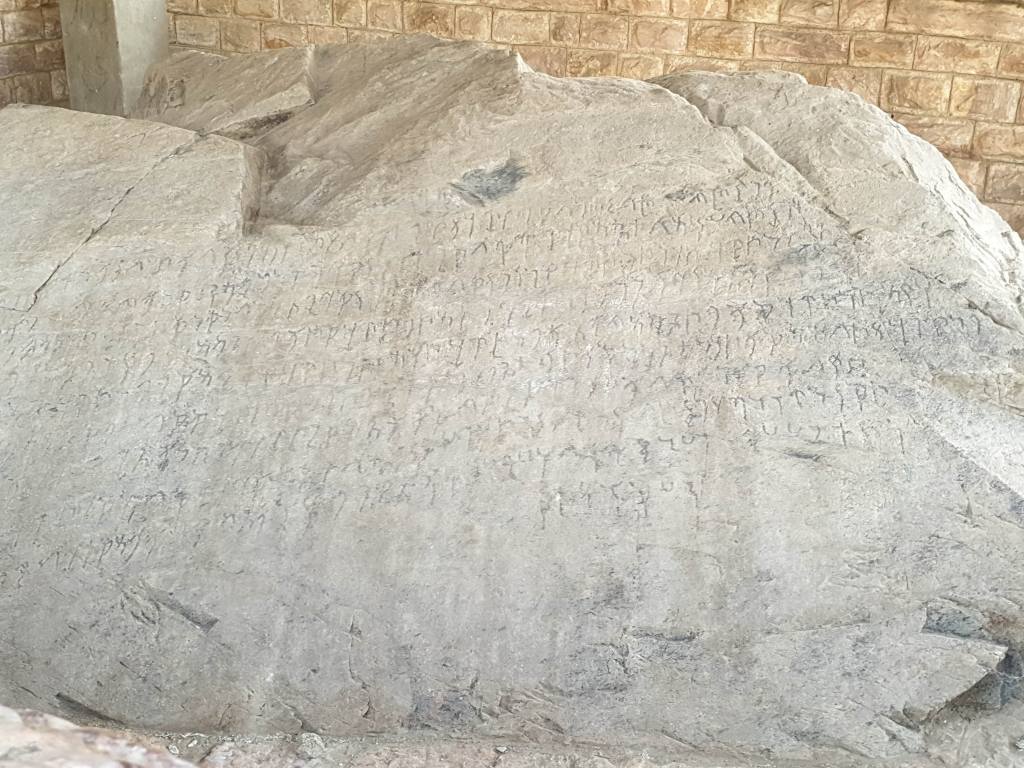
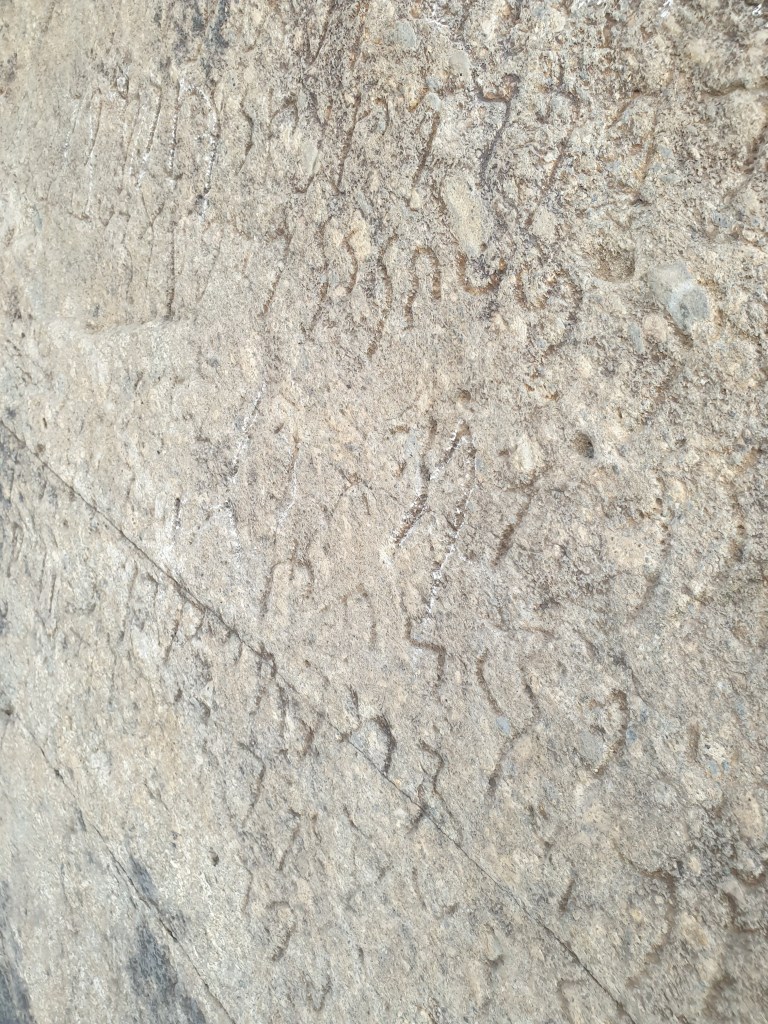
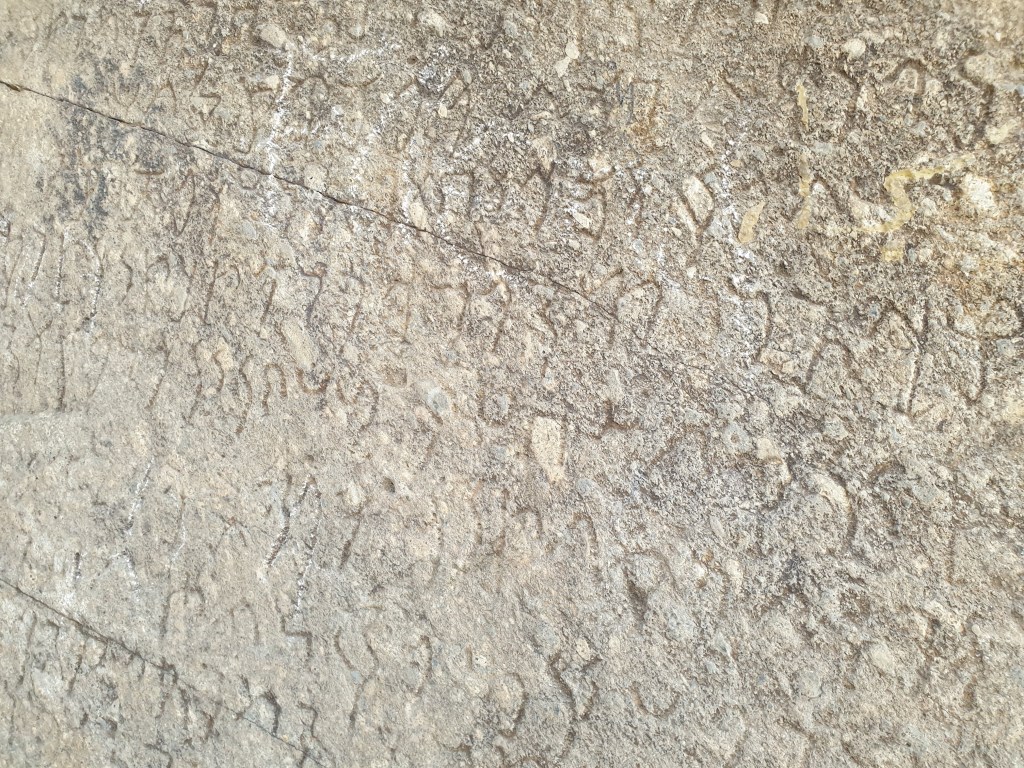
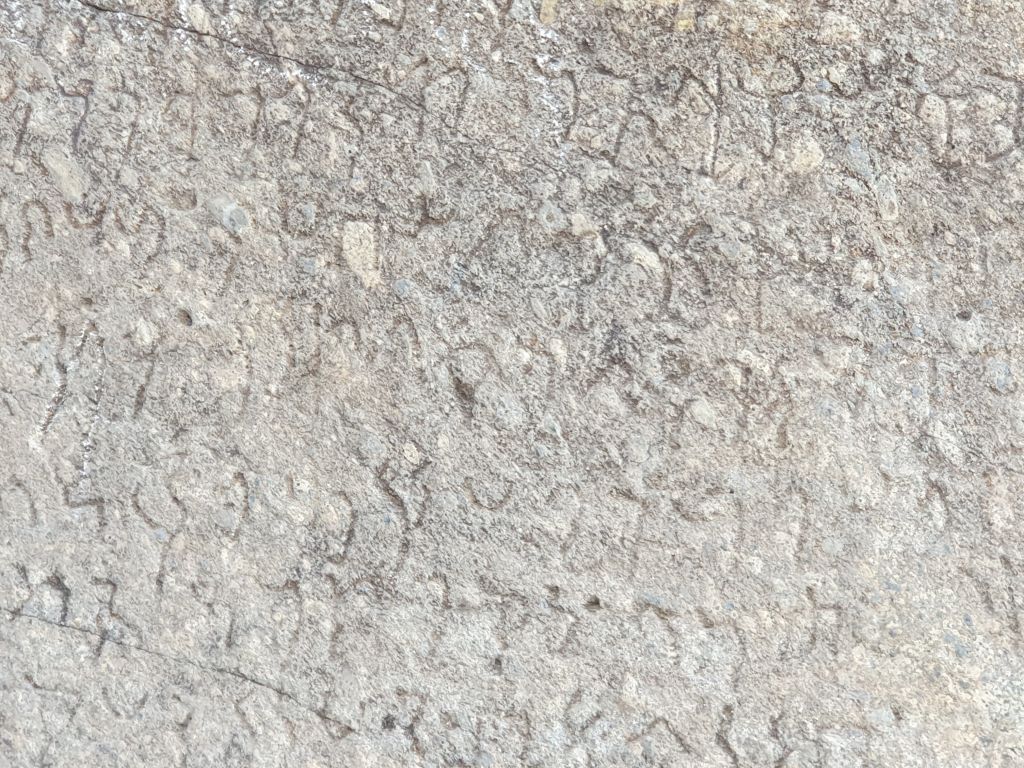
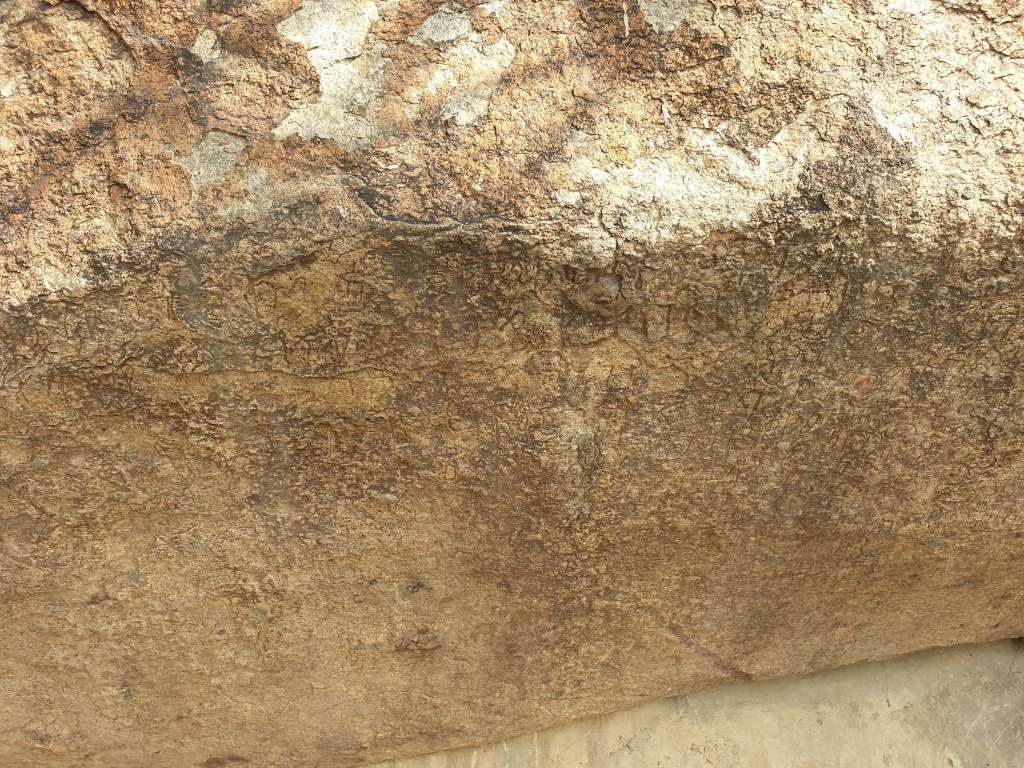
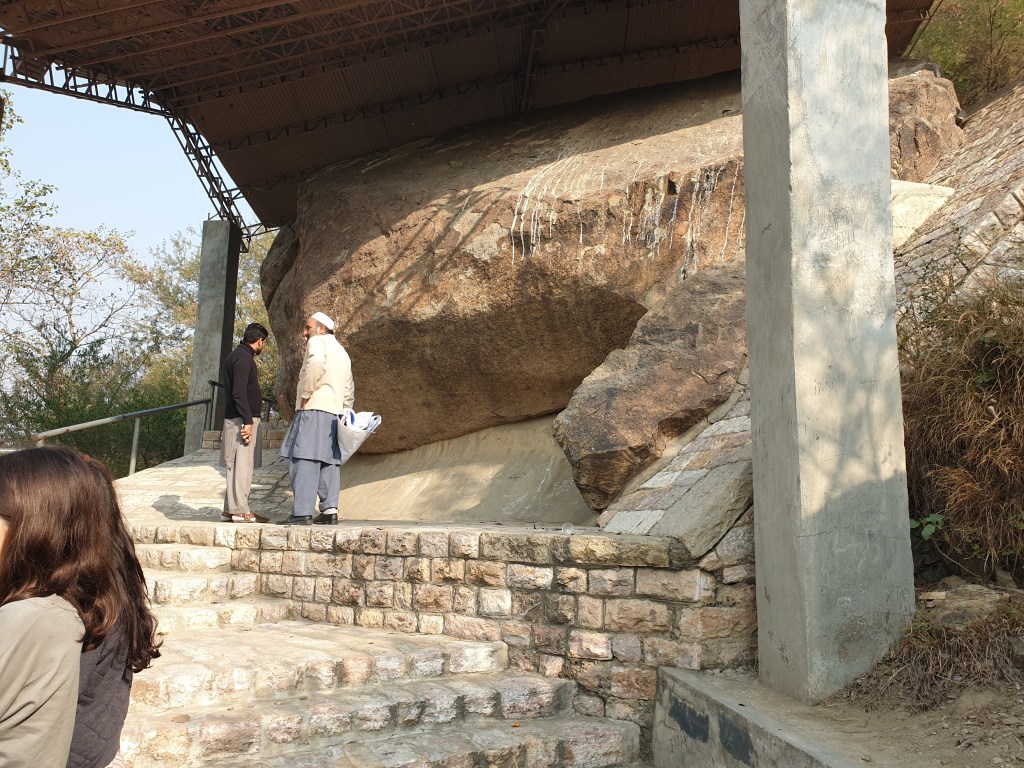
These edicts or inscriptions, written in Kharosthi script, are engraved on large rock boulders.
The edicts reflect Ashoka’s policies of Dhamma (morality), promoting non-violence, tolerance, social welfare, and respect for all living beings.
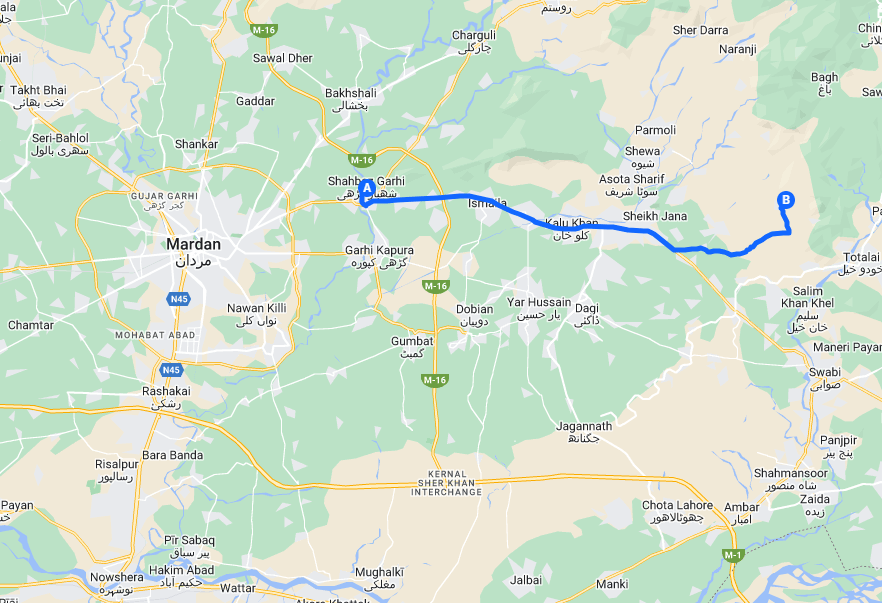
1. The trip can be done in one day but you need to plan ahead as we did not have much time for the second site.
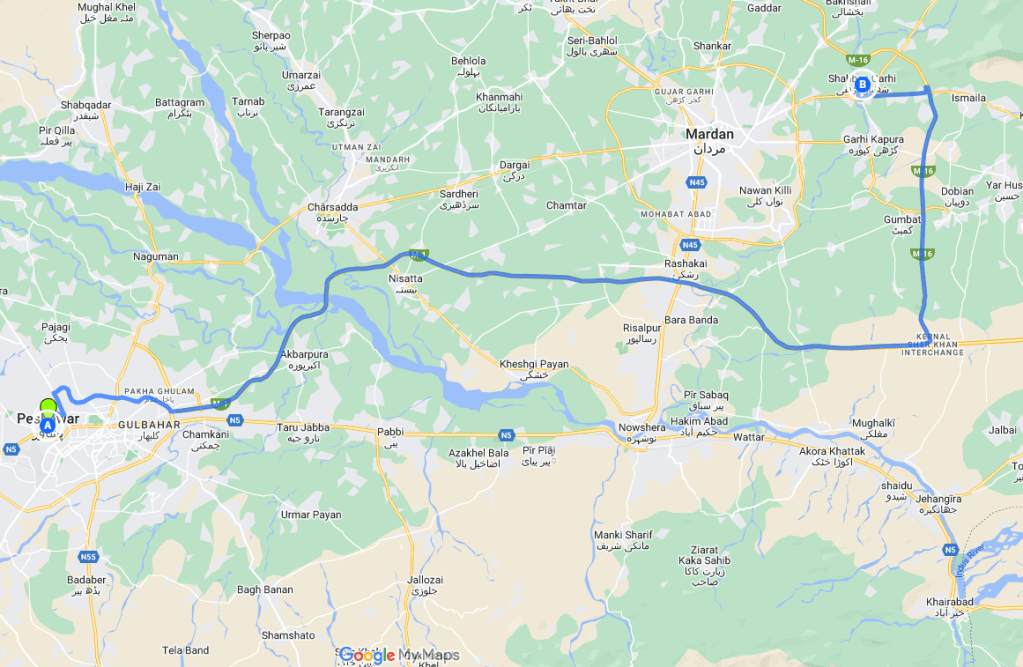
2. From the Car Park at Shahbazgarhi, it is a short walk to the rocks that contain the edicts. The inscriptions can still be seen. Though it is sad that in some cases tourists have marked their names on this ancient site.
There was an incident when some villagers pored whitewash on the stone as they were offended by schoolchildren that had come to the rock and disturbed the “sanctity” of the village houses below, being able to look in the houses.
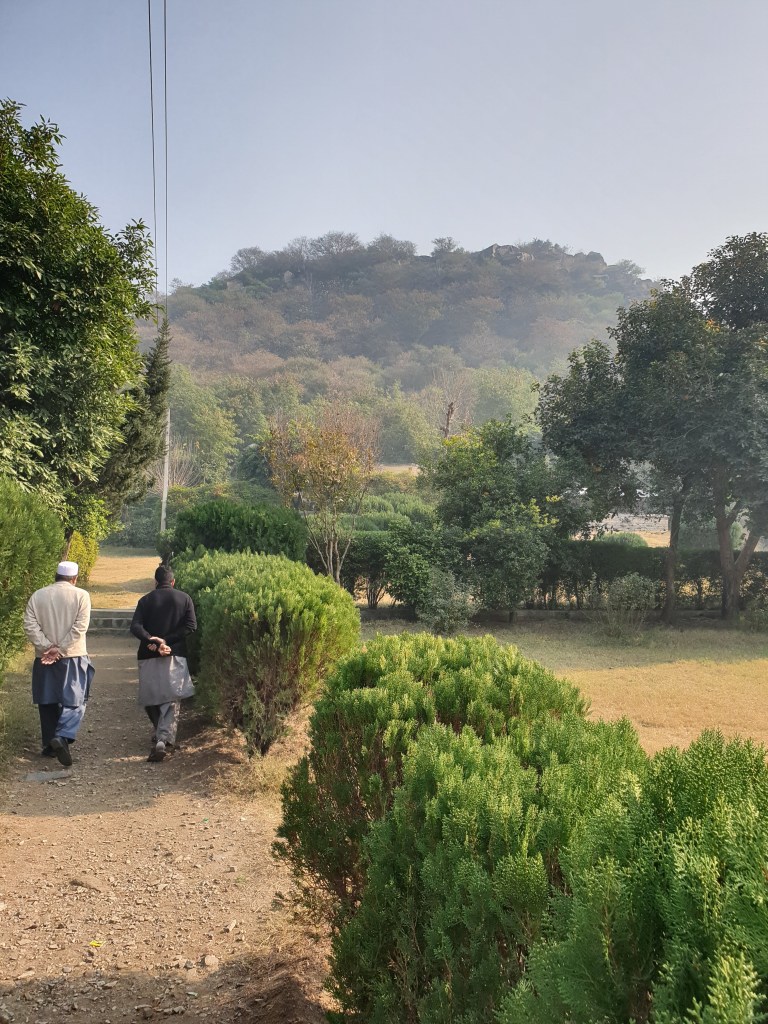
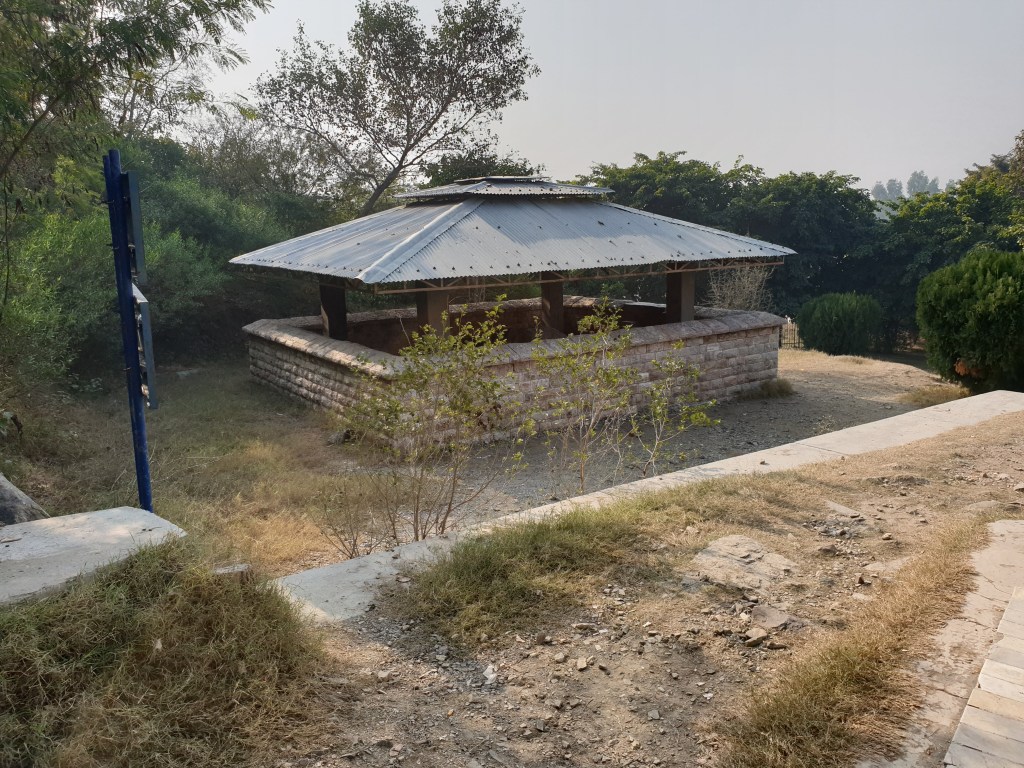


3. From here we drove to the village of Nogram Killi in Buner to see the site of Ranigat. Ranigat, belongs to the period of the first to sixth century CE. It is situated on top of a ridge, where the remains of the region’s largest Buddhist monastic complex reside. Structures on the site include stupas, monasteries, shrines, drainage networks, and other buildings.
Ranigat is a 2500-year-old Buddhist archaeological site belonging to the Ghandara Civilization and has good evidence of the Buddhist past of the area.
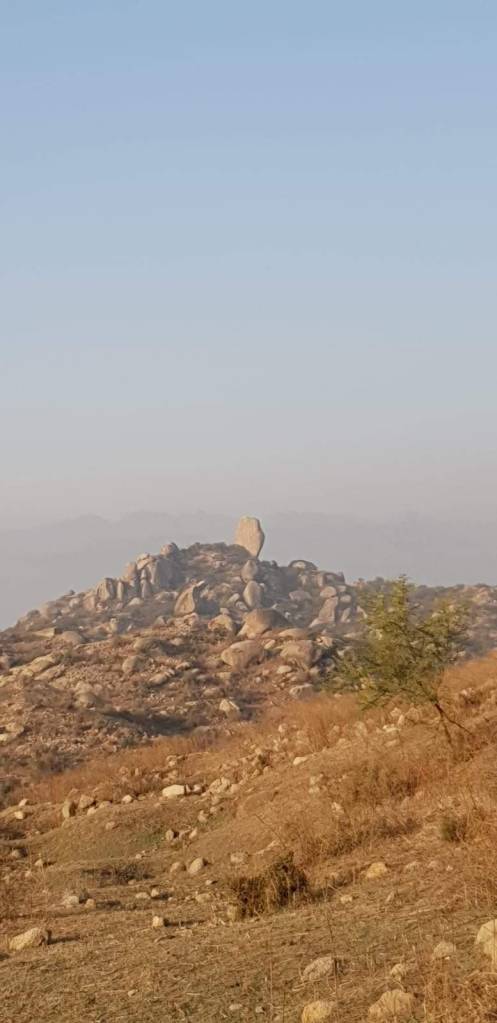
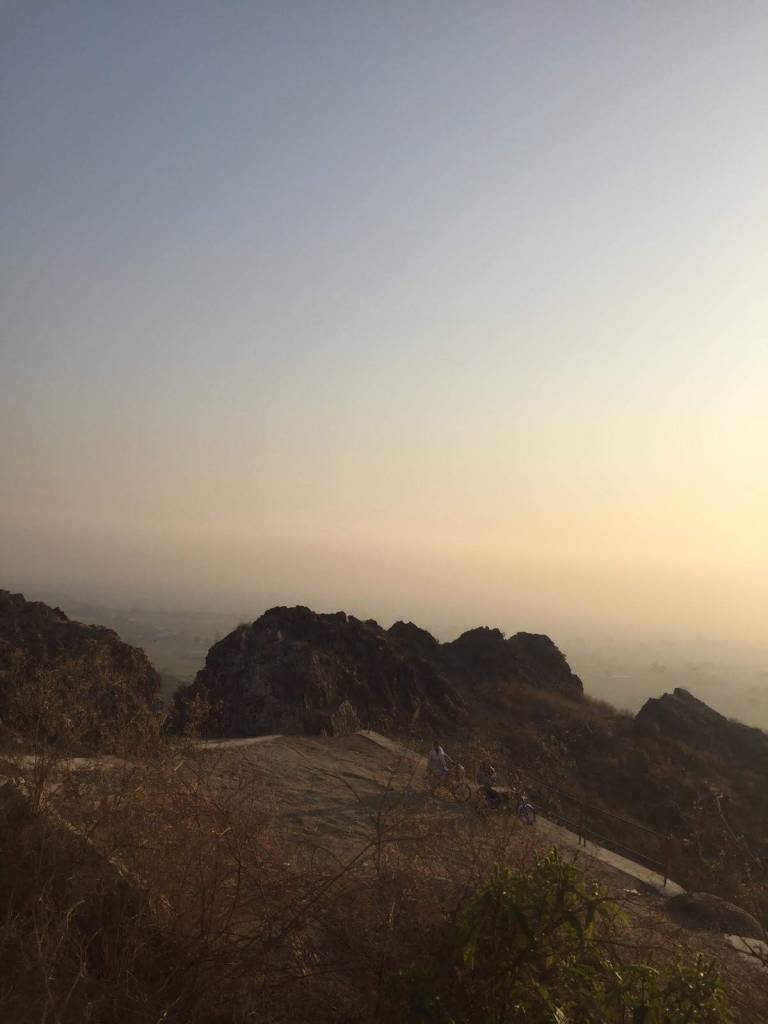
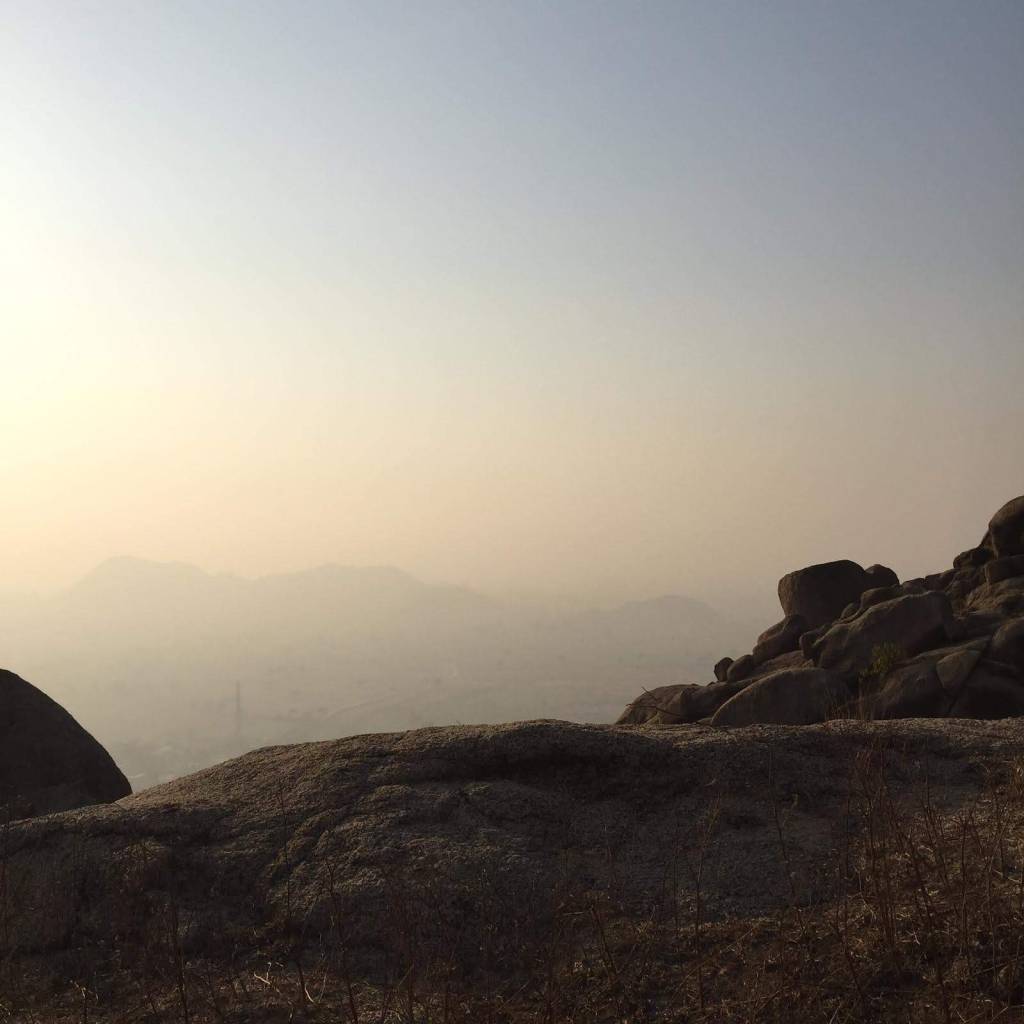
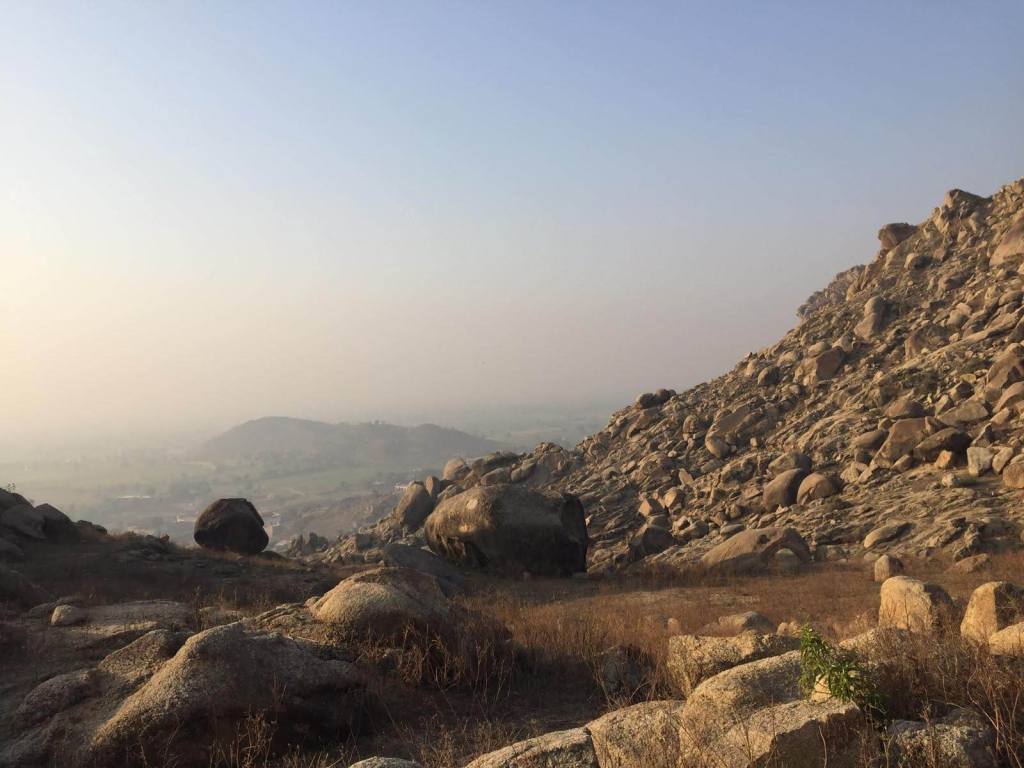
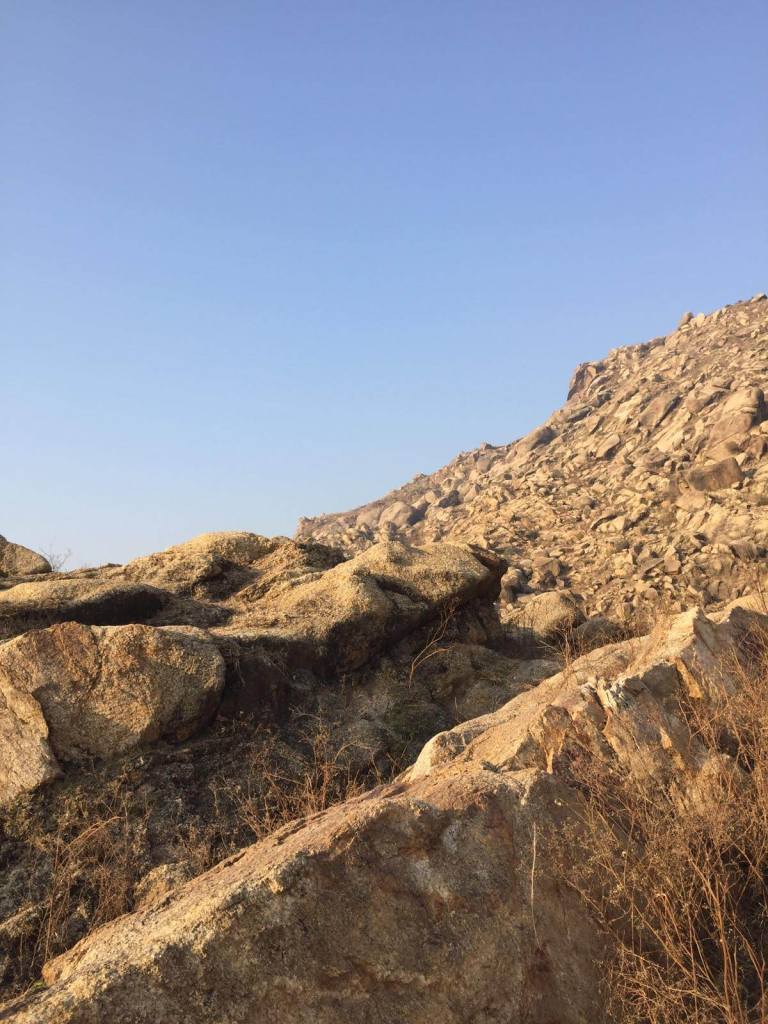
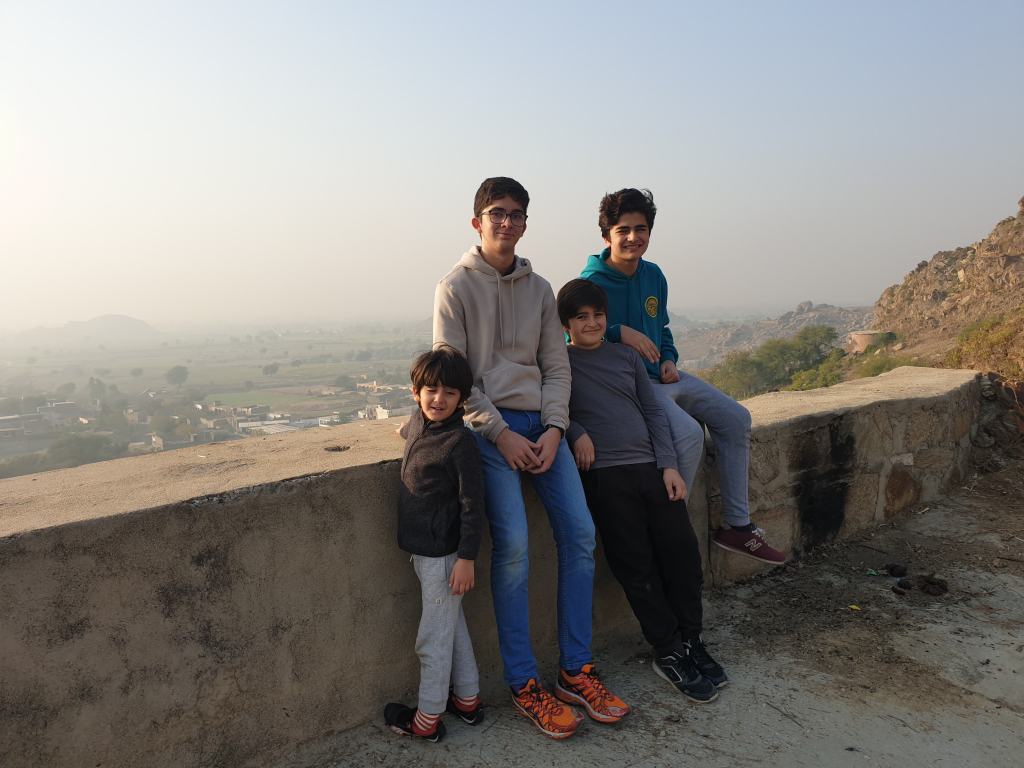
4. Ranigat is located on the top of a hill, like other monasteries in the region. The path up has been made easier with a path and some steps, but it is tiring still. There are some wonderful views to be seen. The name comes from “Rani” or queen and the Pashto “Ghata” or Rock. It is derives from a large rock on the Hill top (as seen in first picture below).


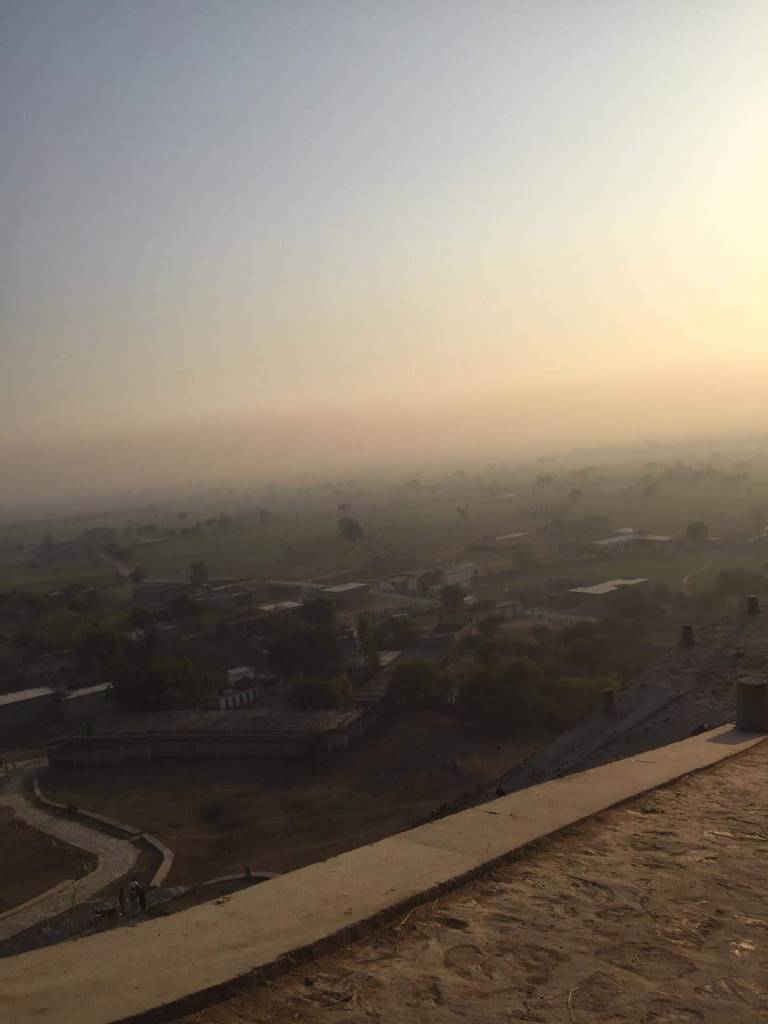

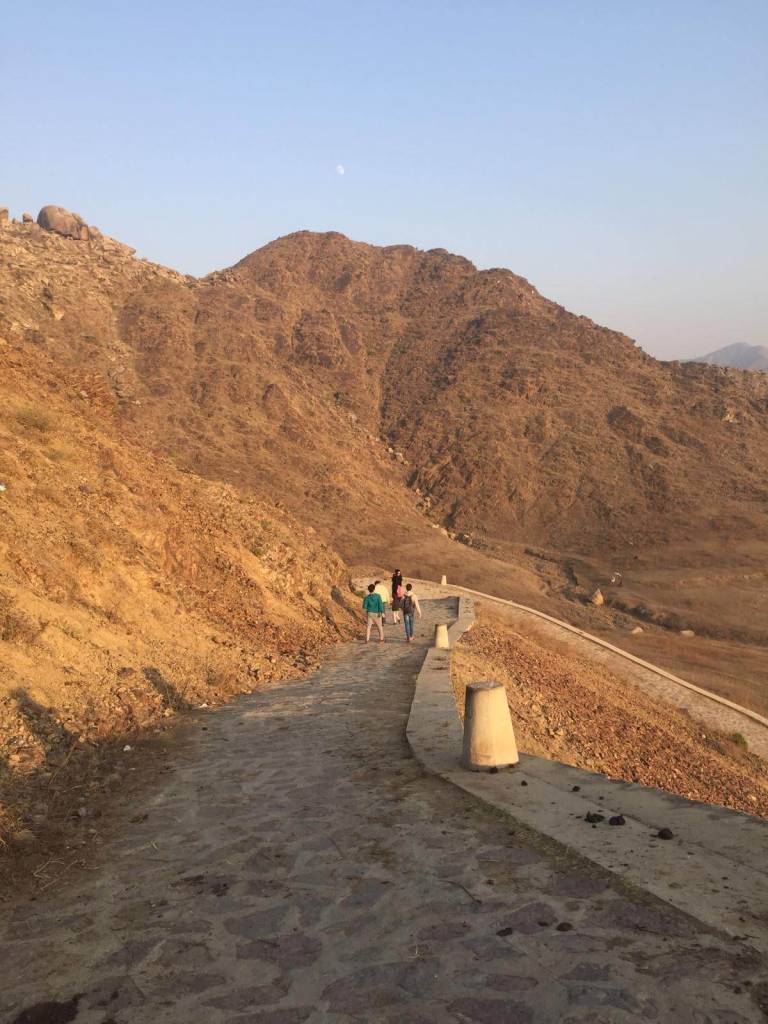
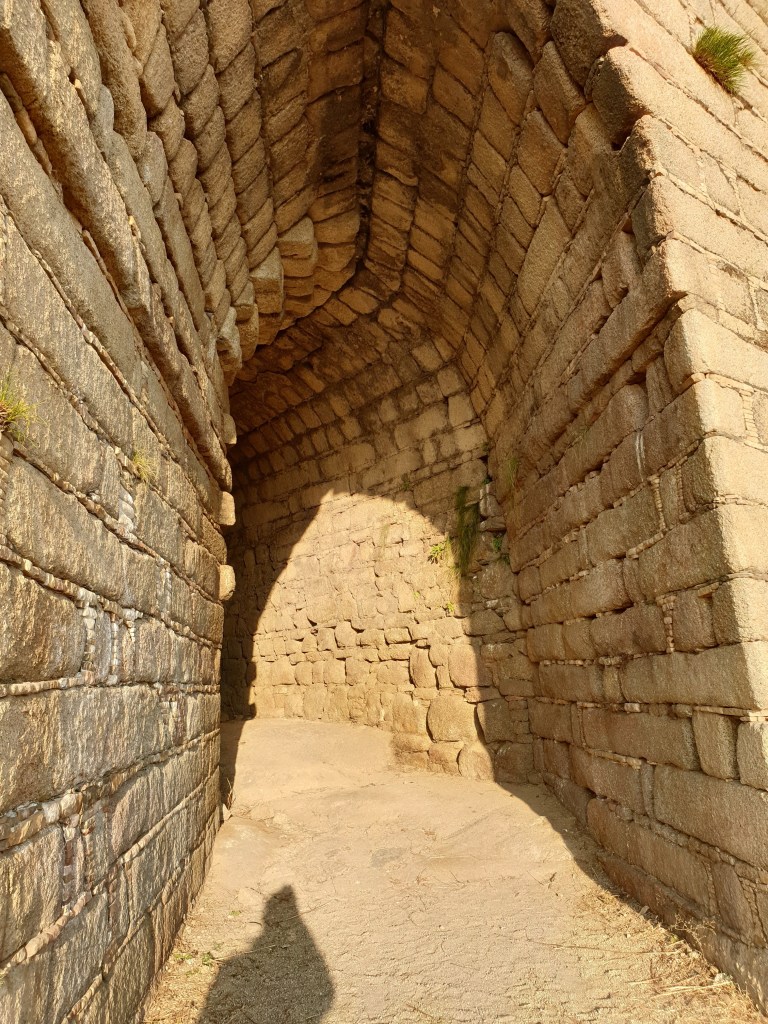
5. Once you reach the top there is an entrance through which one may get to the town proper.

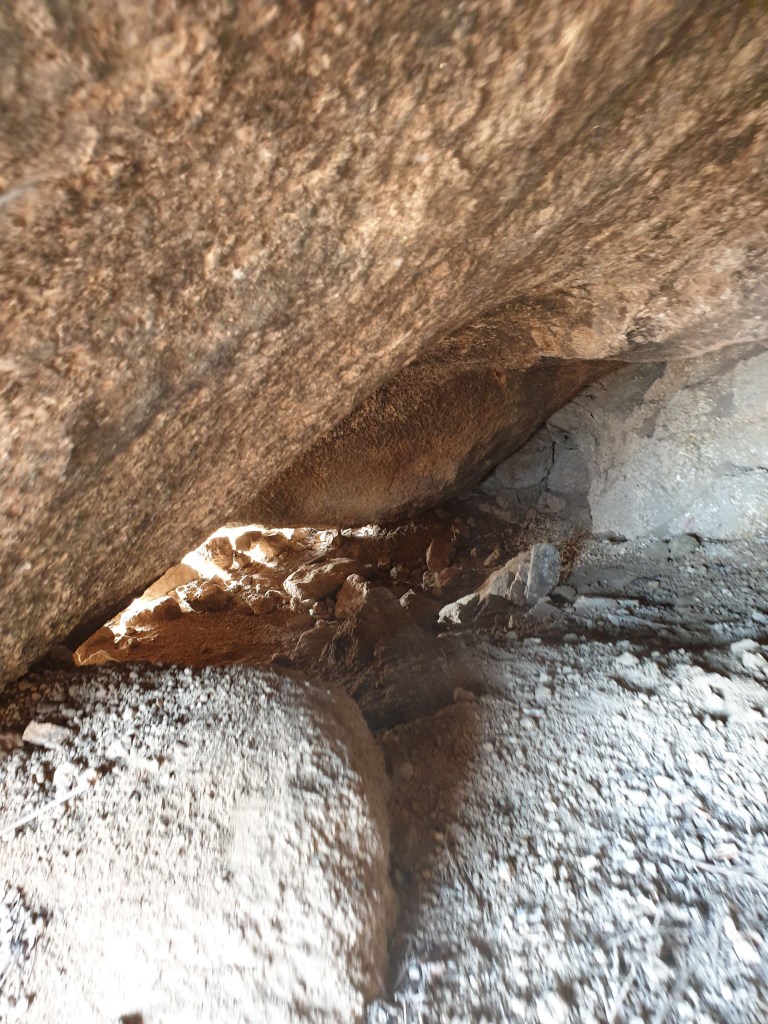
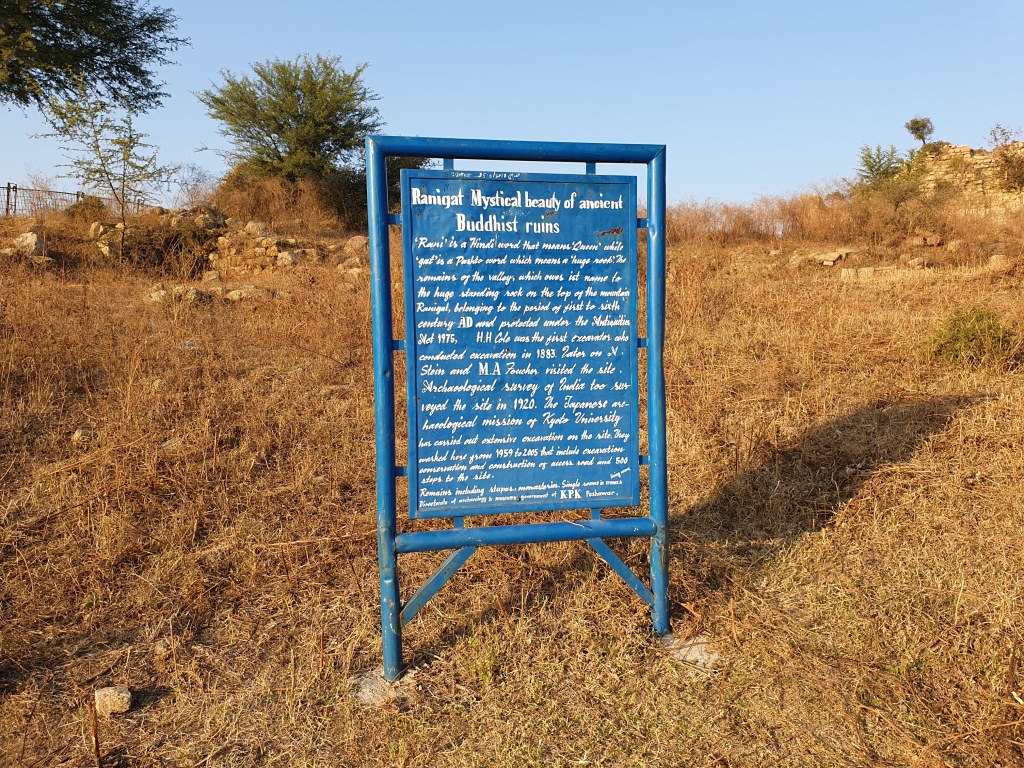
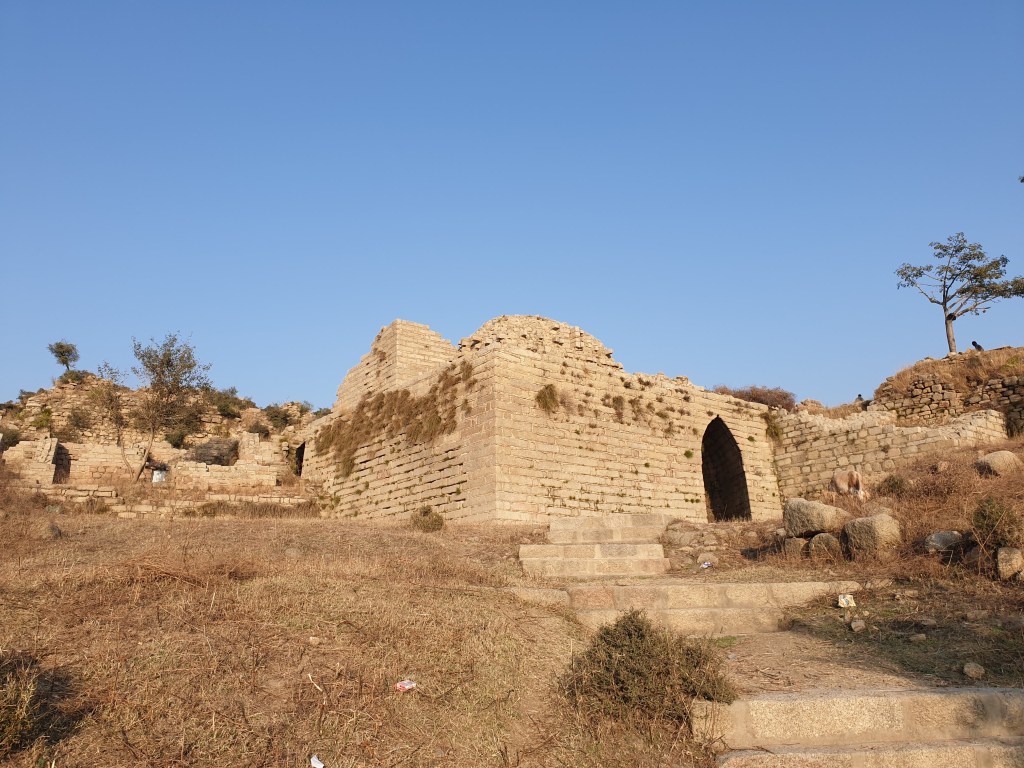
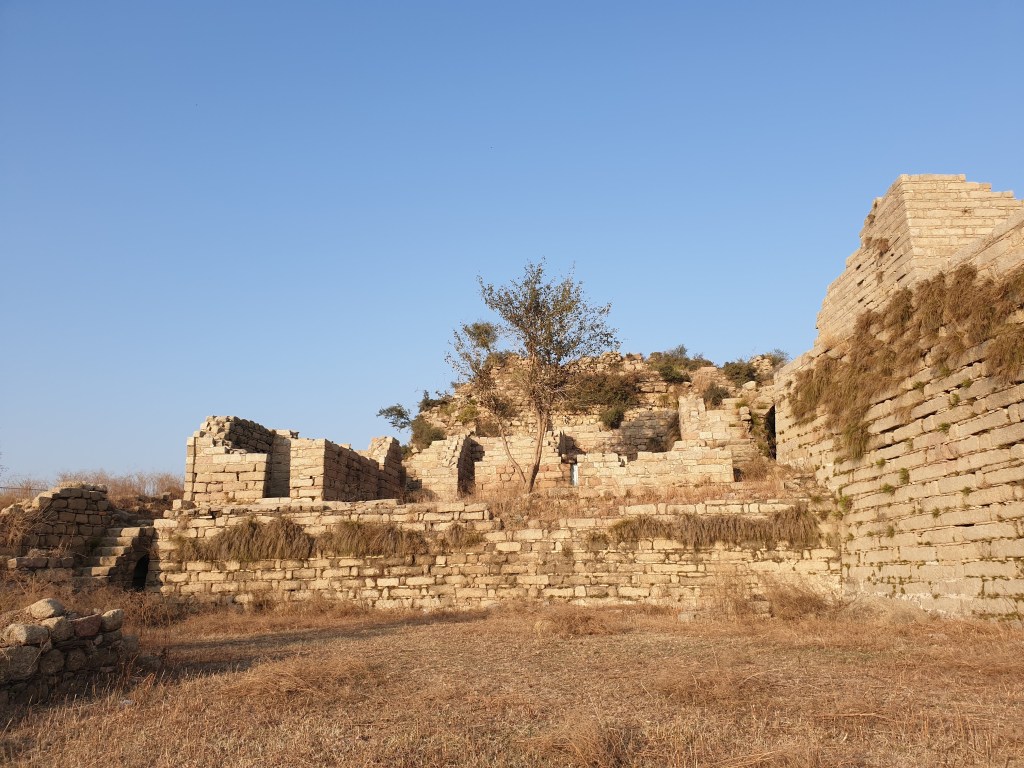
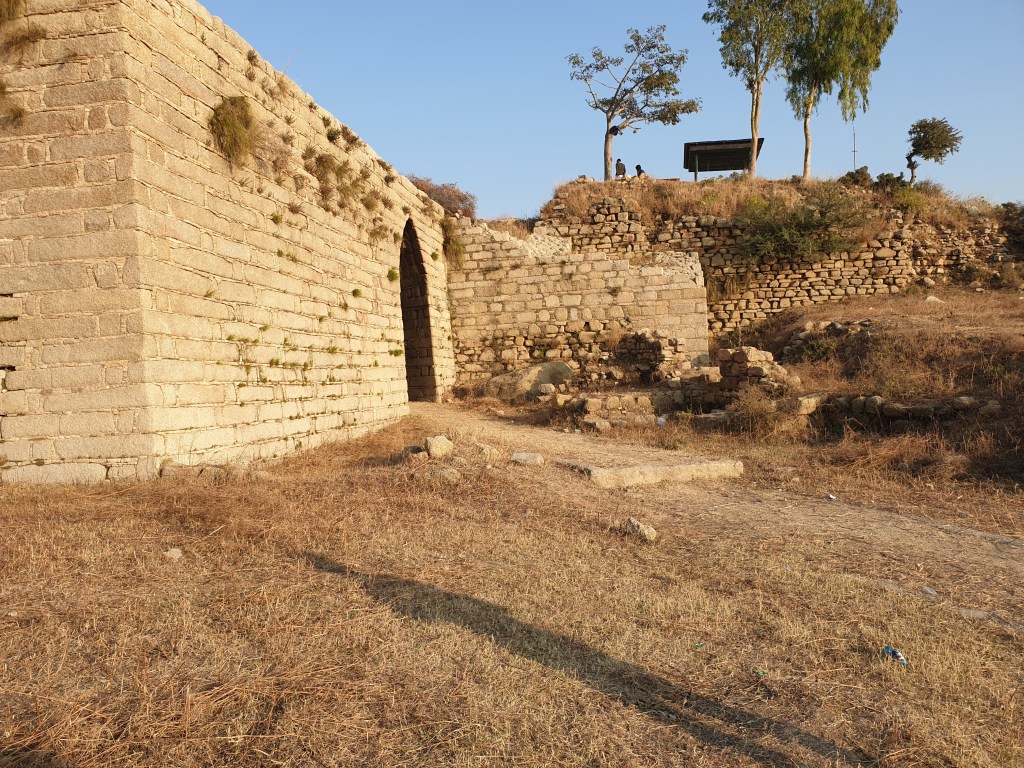

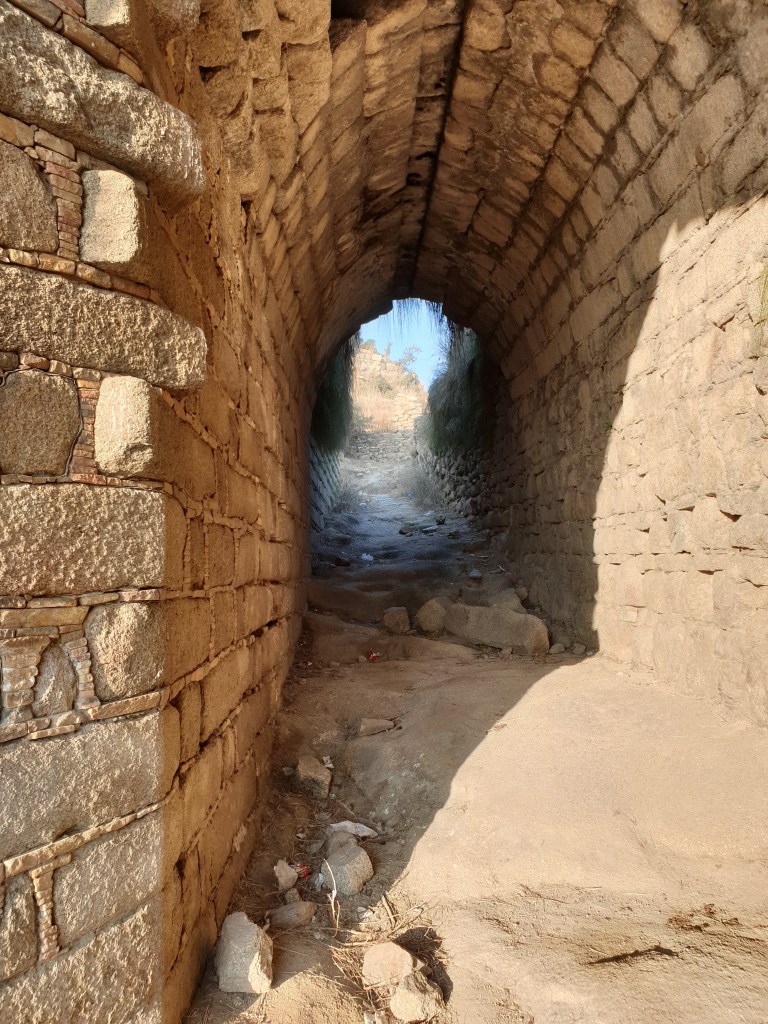
6. Excavations at the site had been done with the help of the Japanese from the University of Kyoto. The university published a book with its findings Ranigat: a Buddhist site in Gandhara, Pakistan, surveyed 1983 – 1992 : report of the Kyoto university scientific expedition to Gandhara.
Attached is a file from the government.
https://gandhara.gov.pk/SiteImage/Downloads/ranigat.pdf
7. After this we headed back home
 History of Gandhara
Leave a comment