Taxila is a great trip to do with family, especially from Islamabad. There is a lot to see, I made the trip with family from Peshawar.
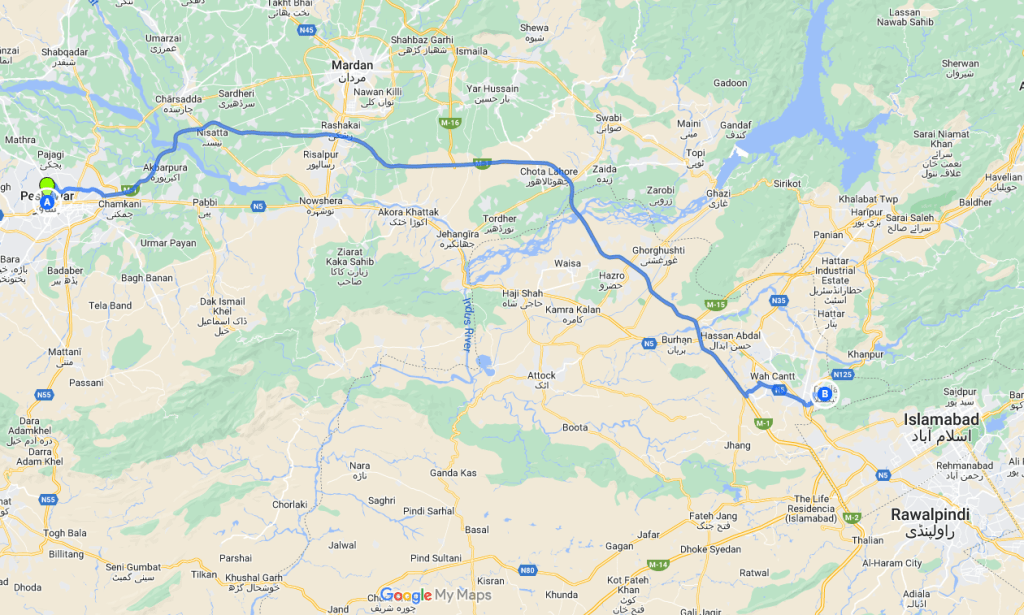
1. We drove from Peshawar and took the road to Taxila from Wah (which in itself is also a historical city.
In Taxila itself there are many places to visit. Of these we visited three.
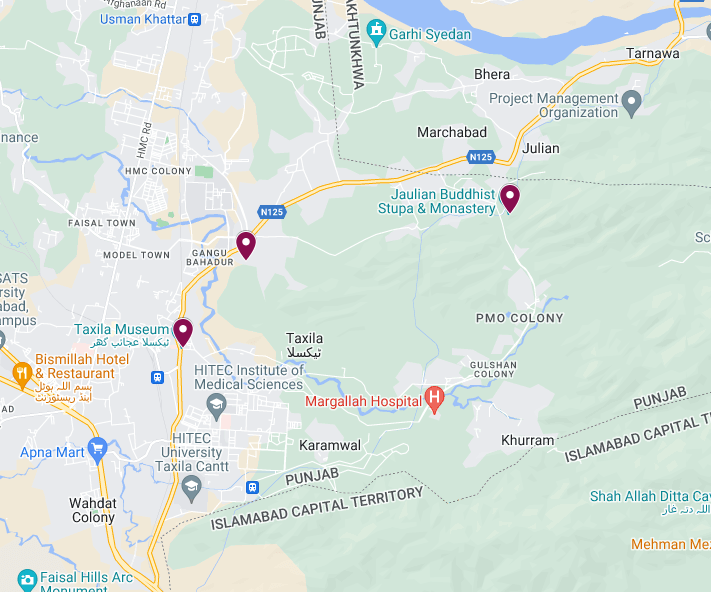
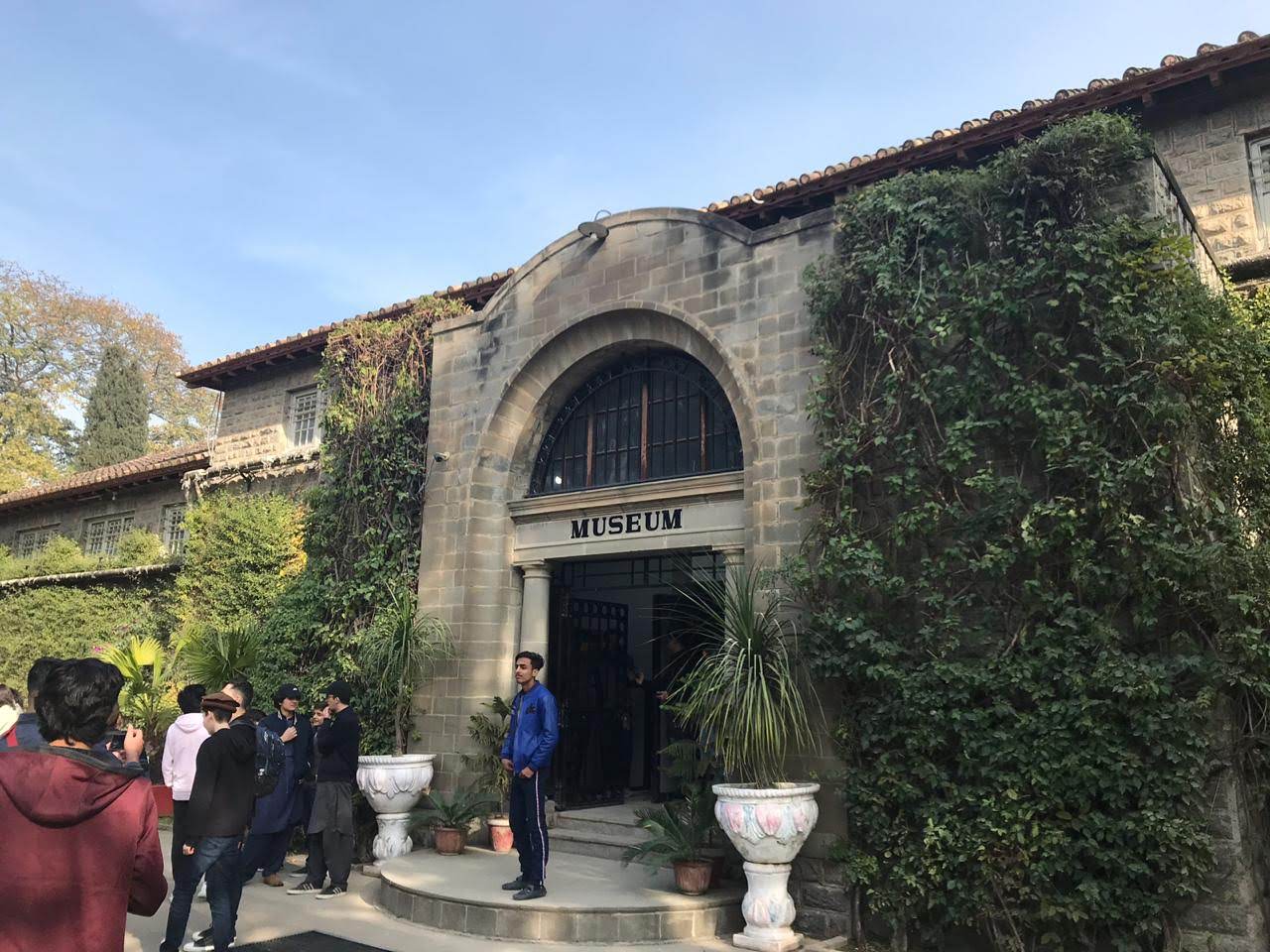
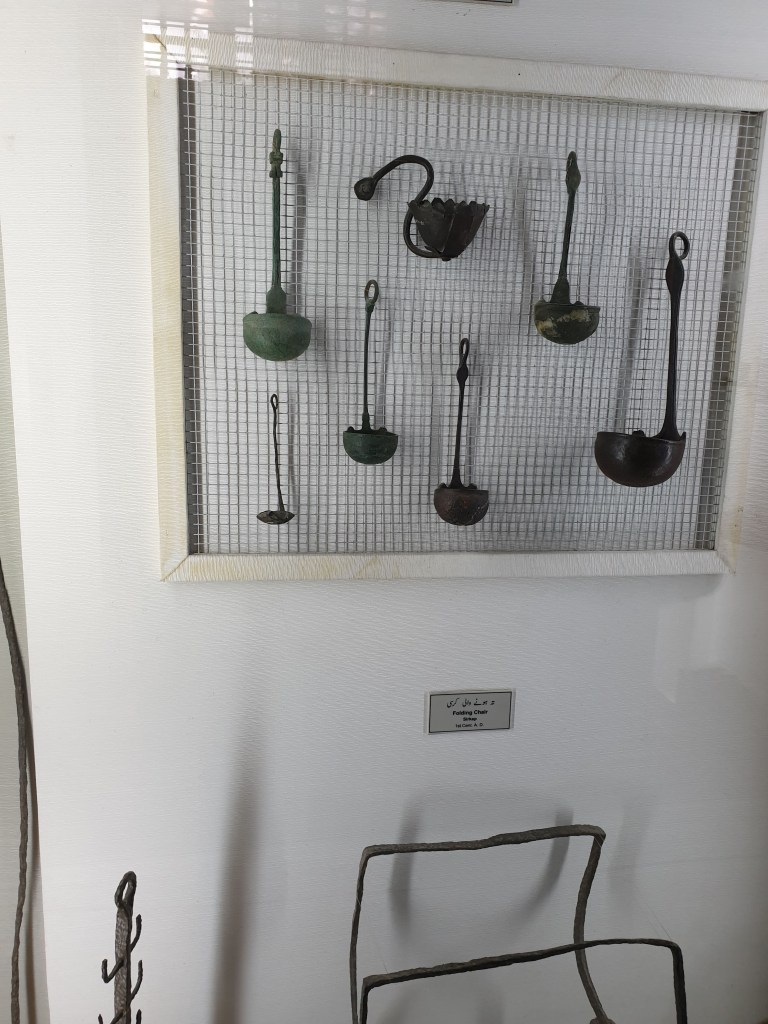
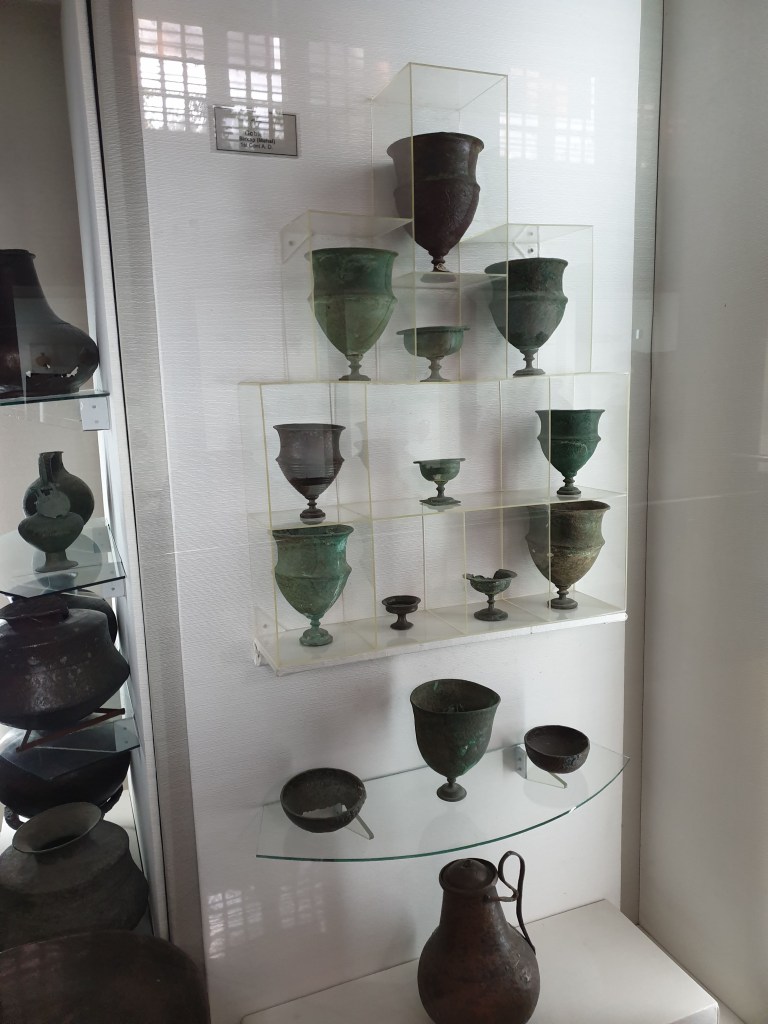
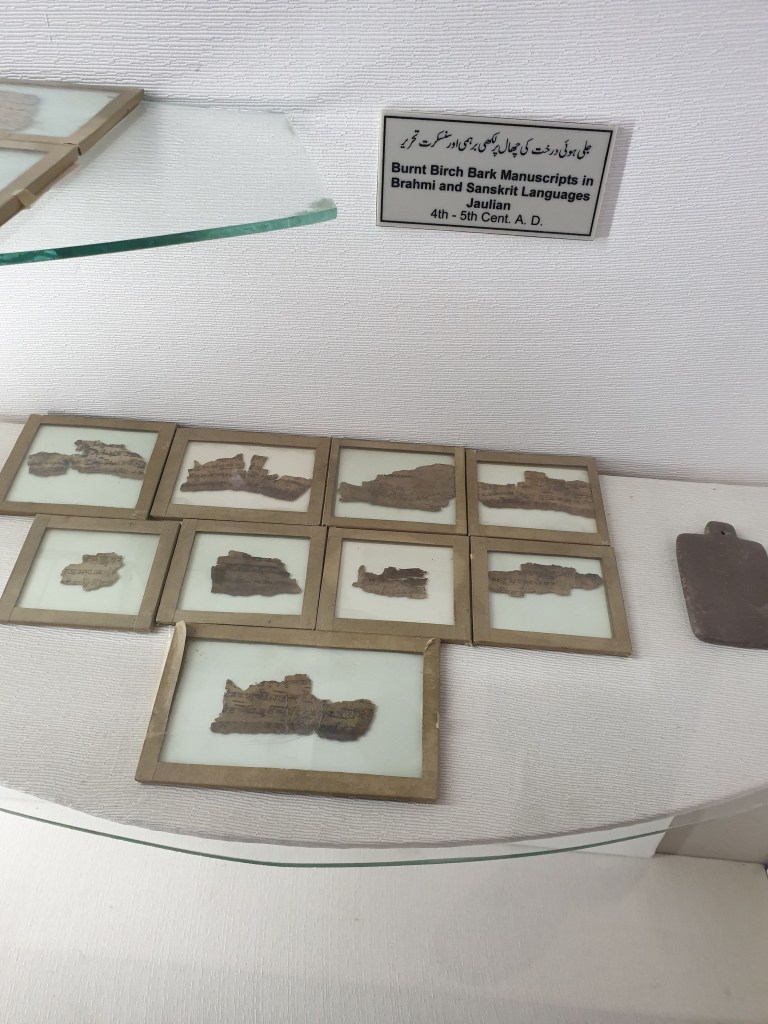
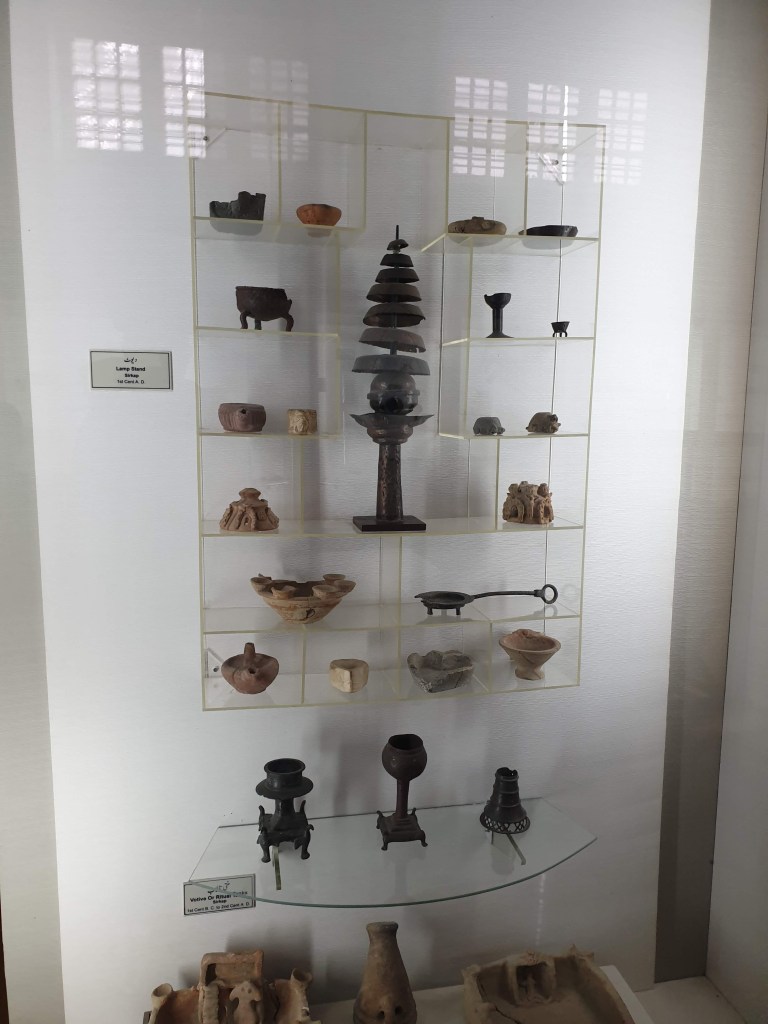
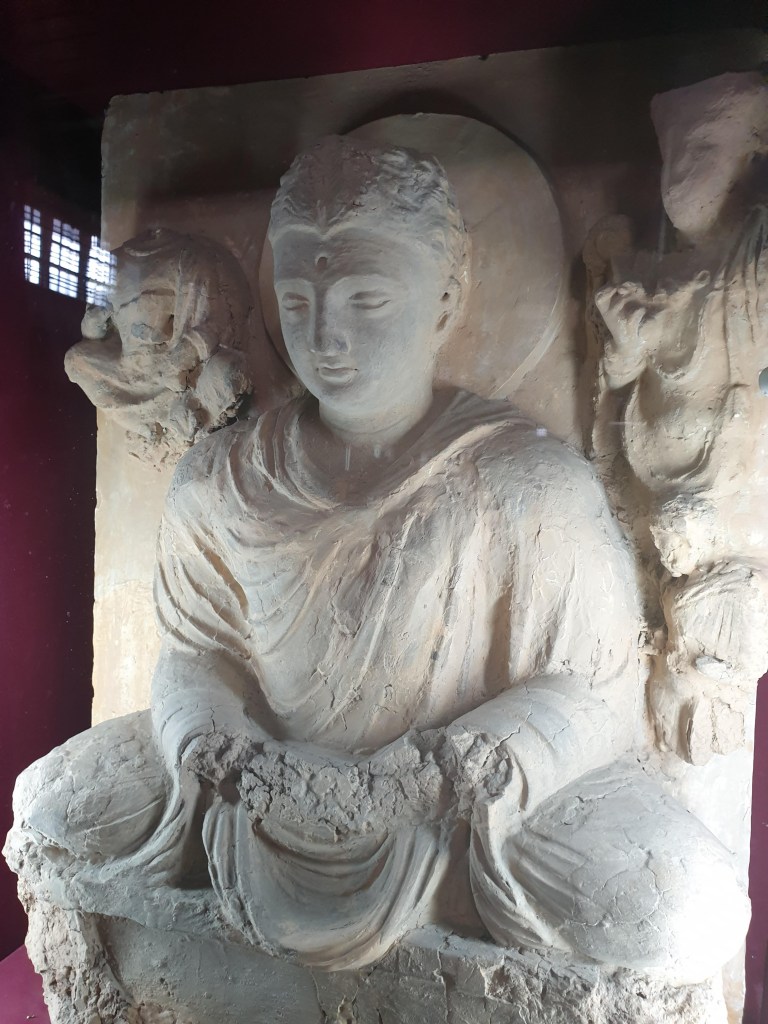
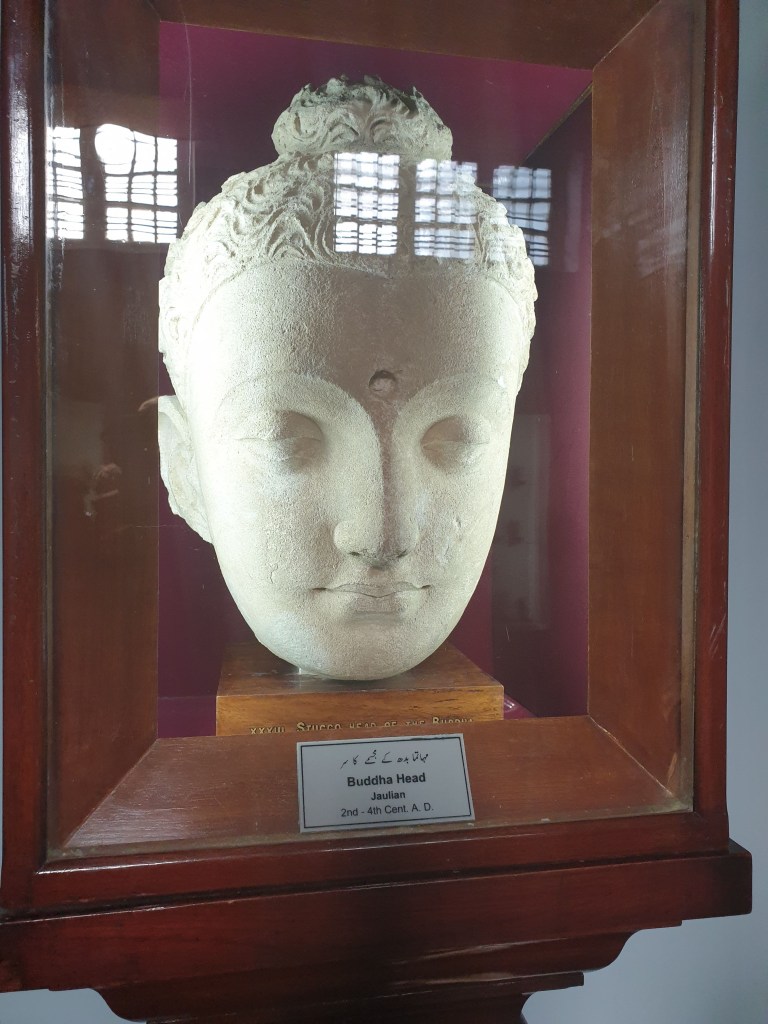
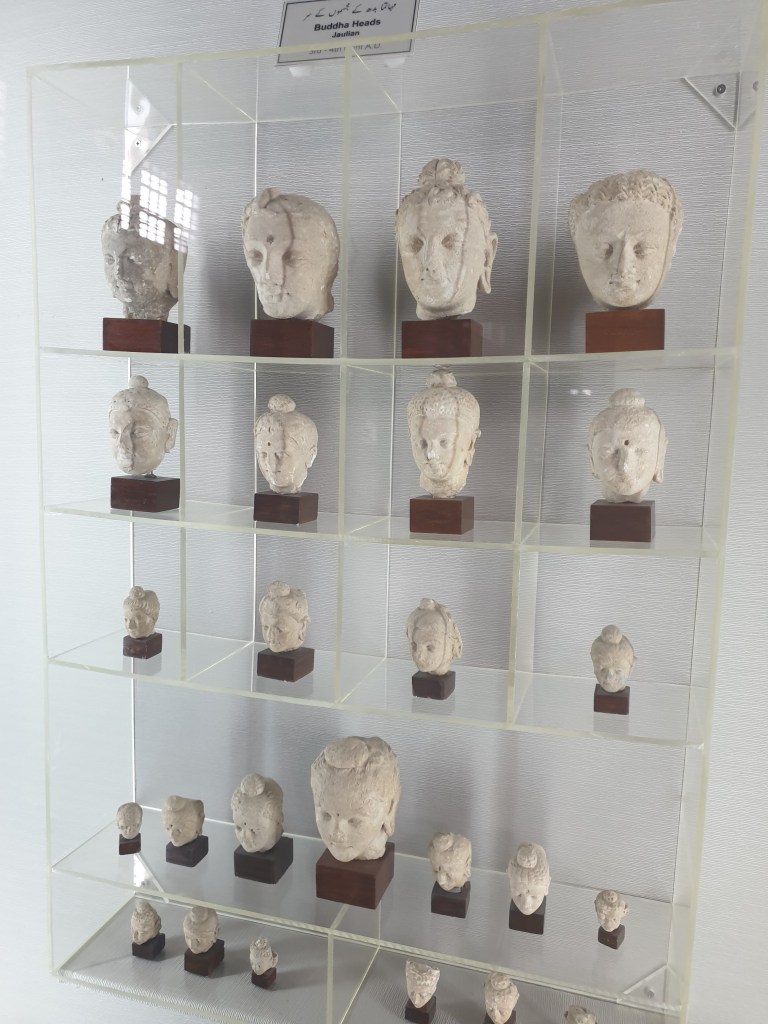
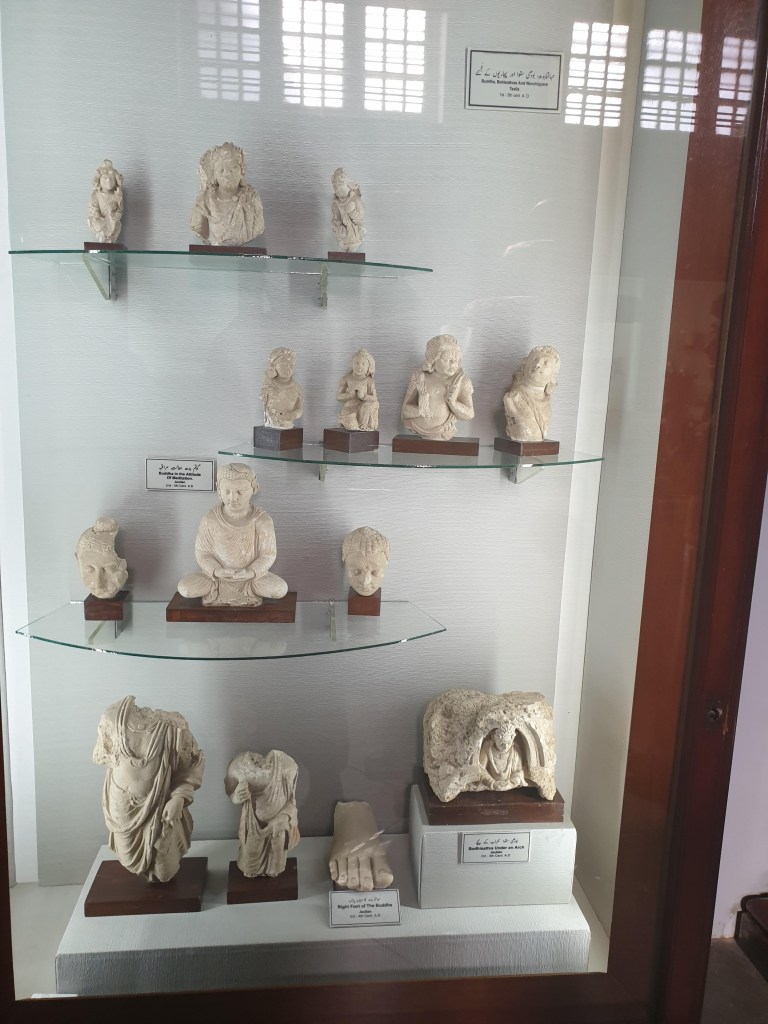
2. Our first stop was the Taxila Museum which has many items on display.
The Taxila Museum, located in the historic region of Taxila in Pakistan’s Punjab province, is a renowned institution that houses one of the finest collections of artifacts from the Gandhara civilization and surrounding archaeological sites. The museum was conceived in the early 20th century to preserve and display artifacts unearthed during extensive archaeological excavations at Taxila. Its construction began in 1918 under the guidance of Sir John Marshall, a British archaeologist who led the excavation of the region. The museum was completed and opened to the public in 1928.
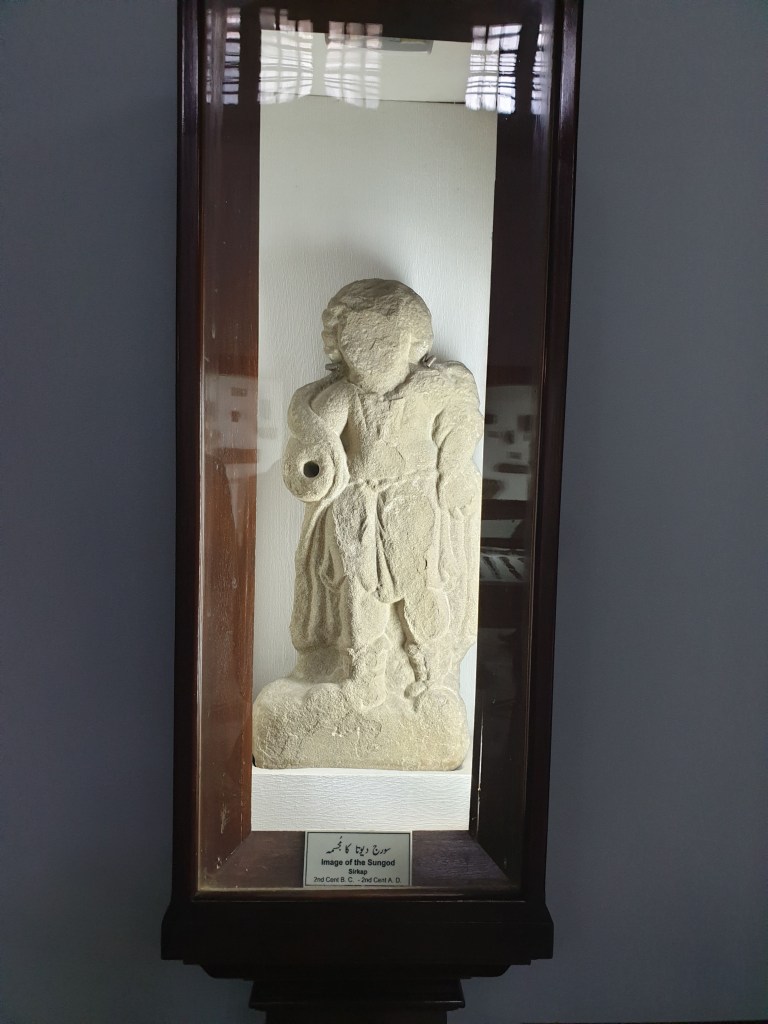
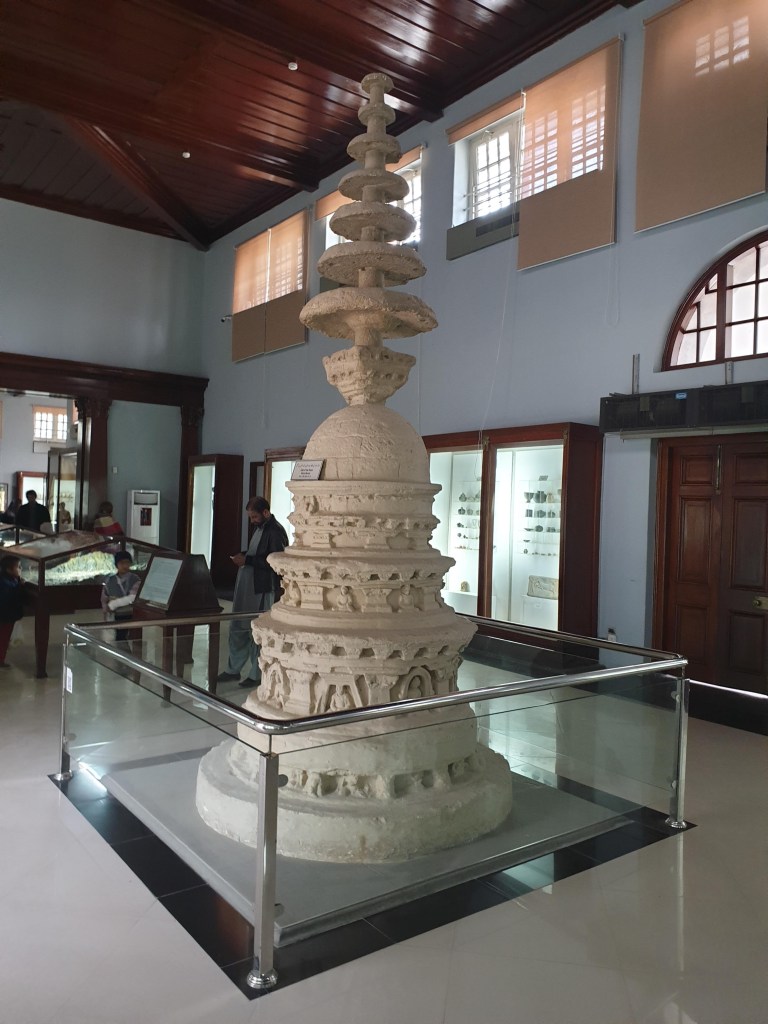


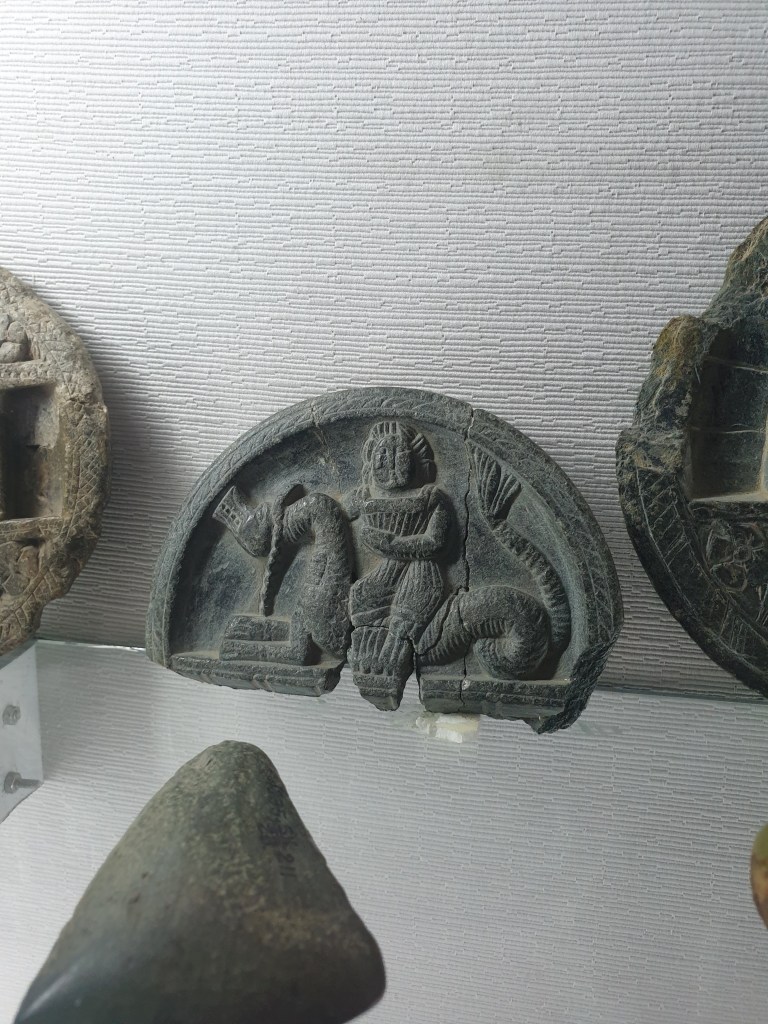
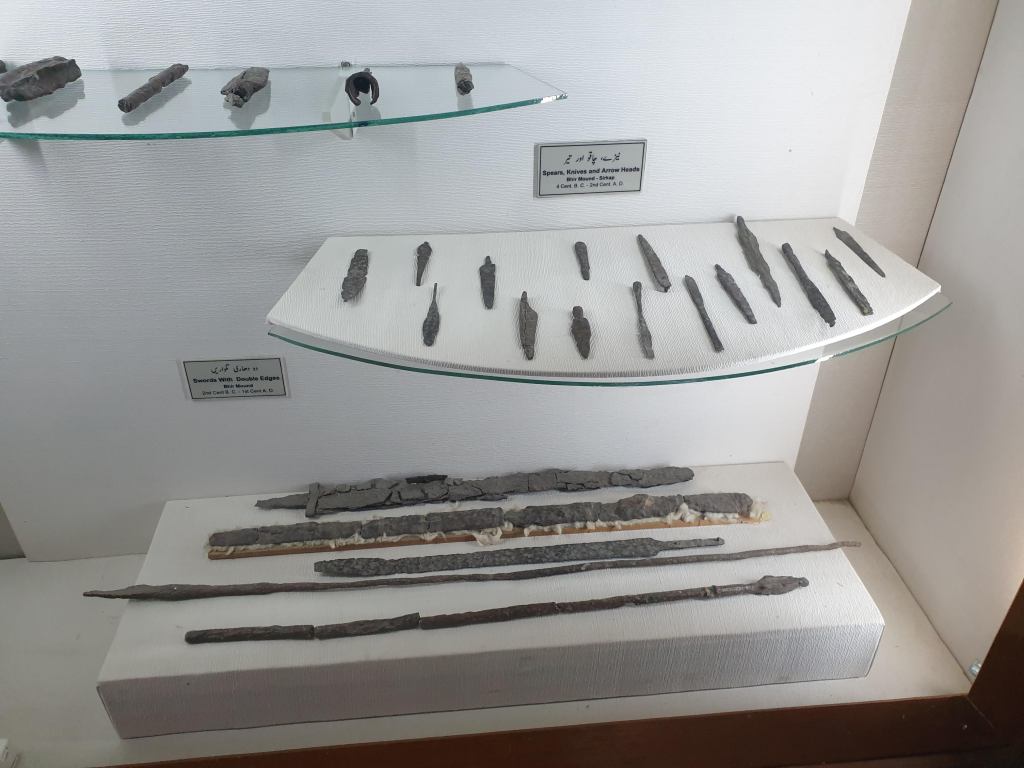

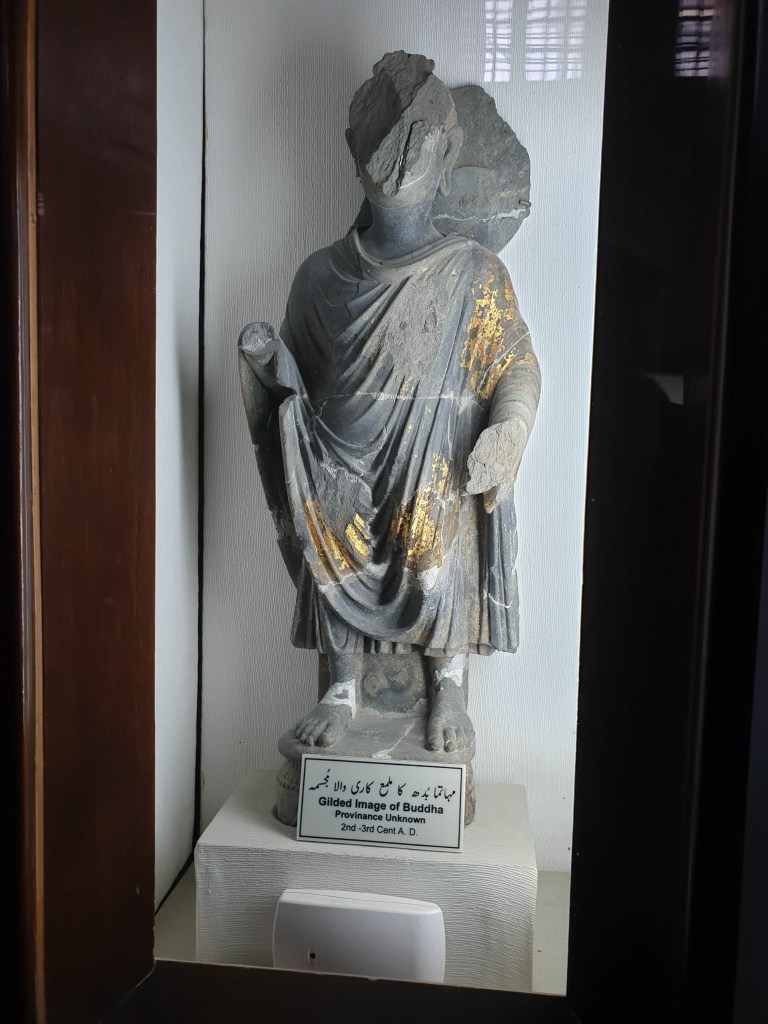
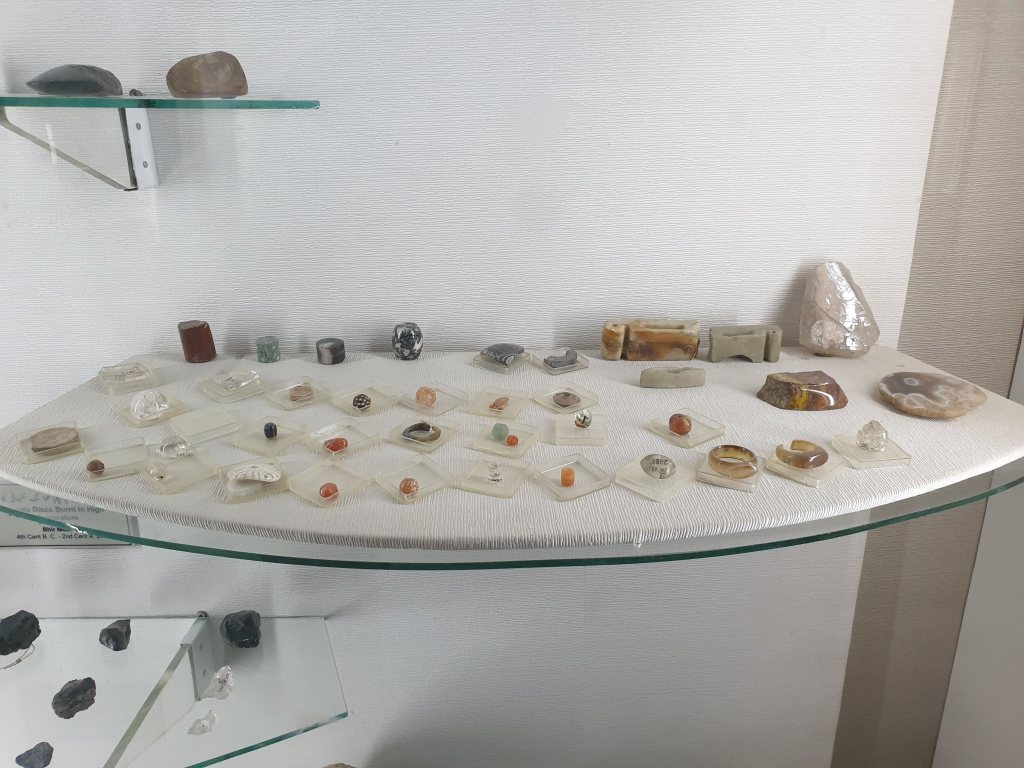

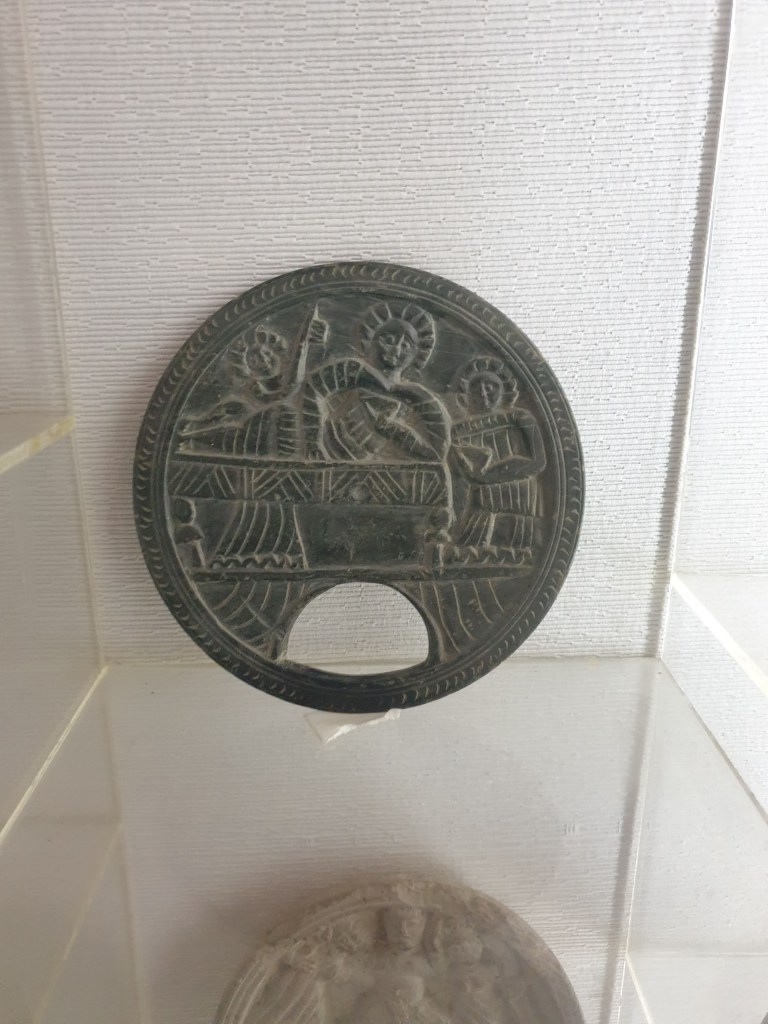

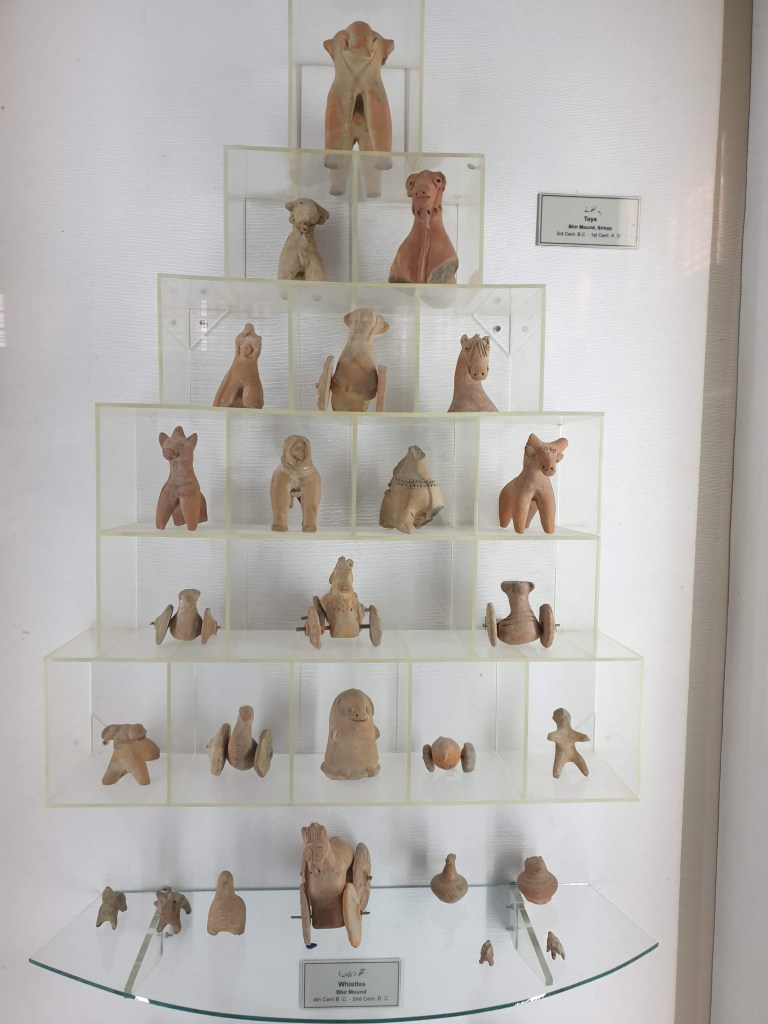
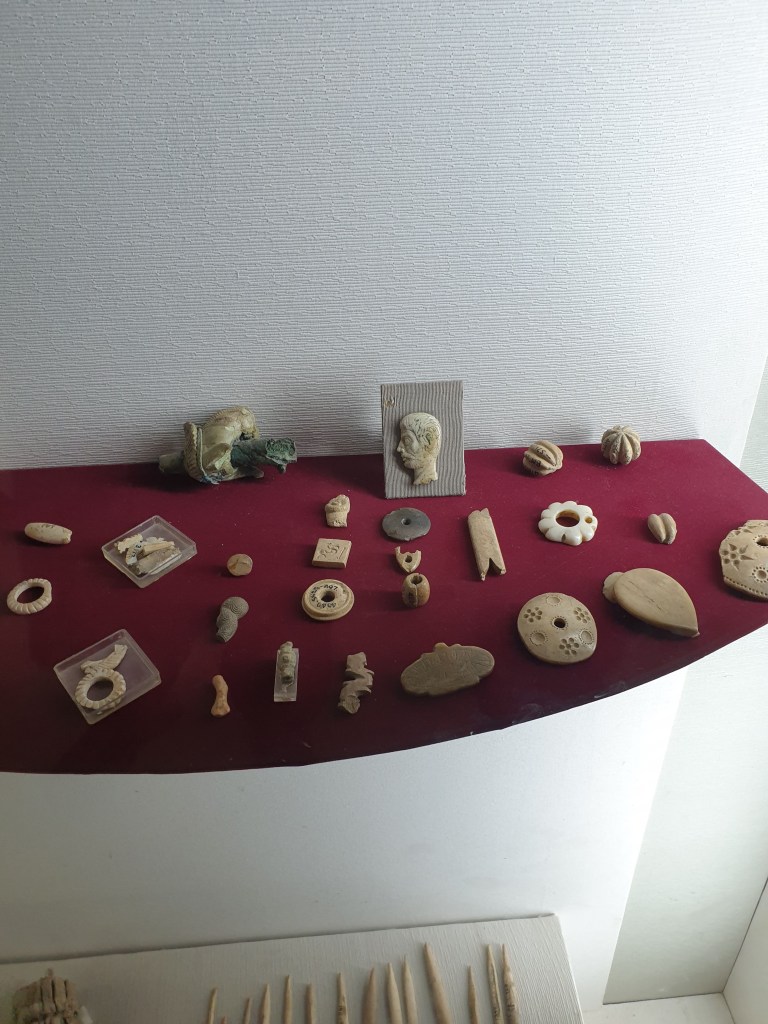
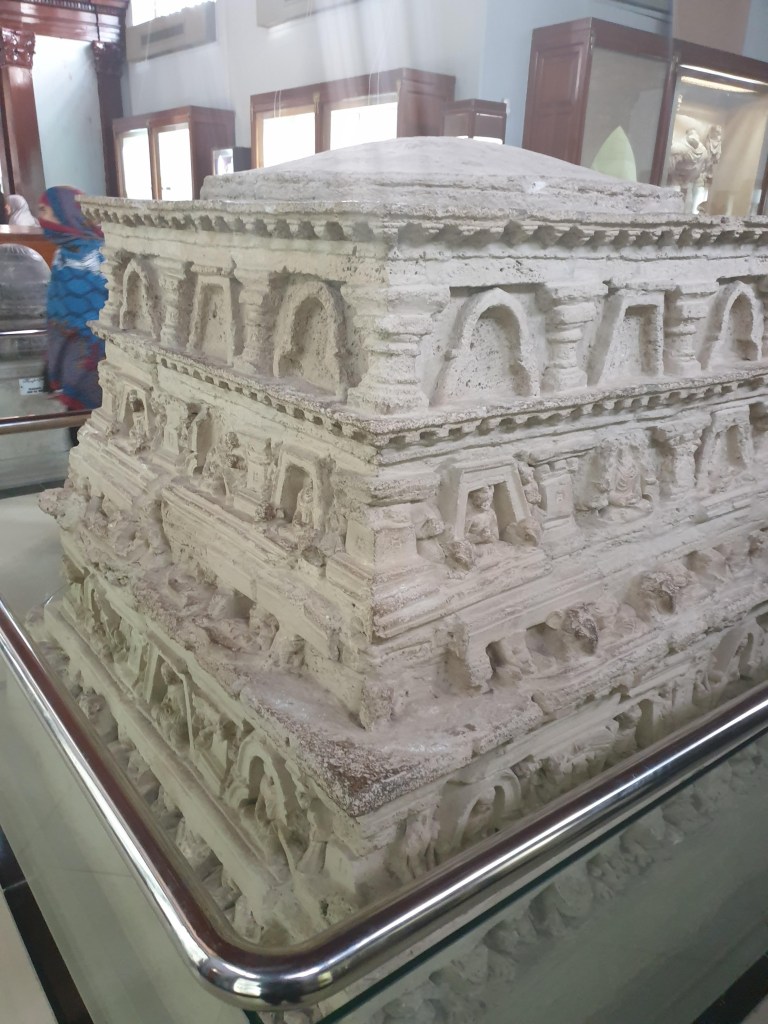
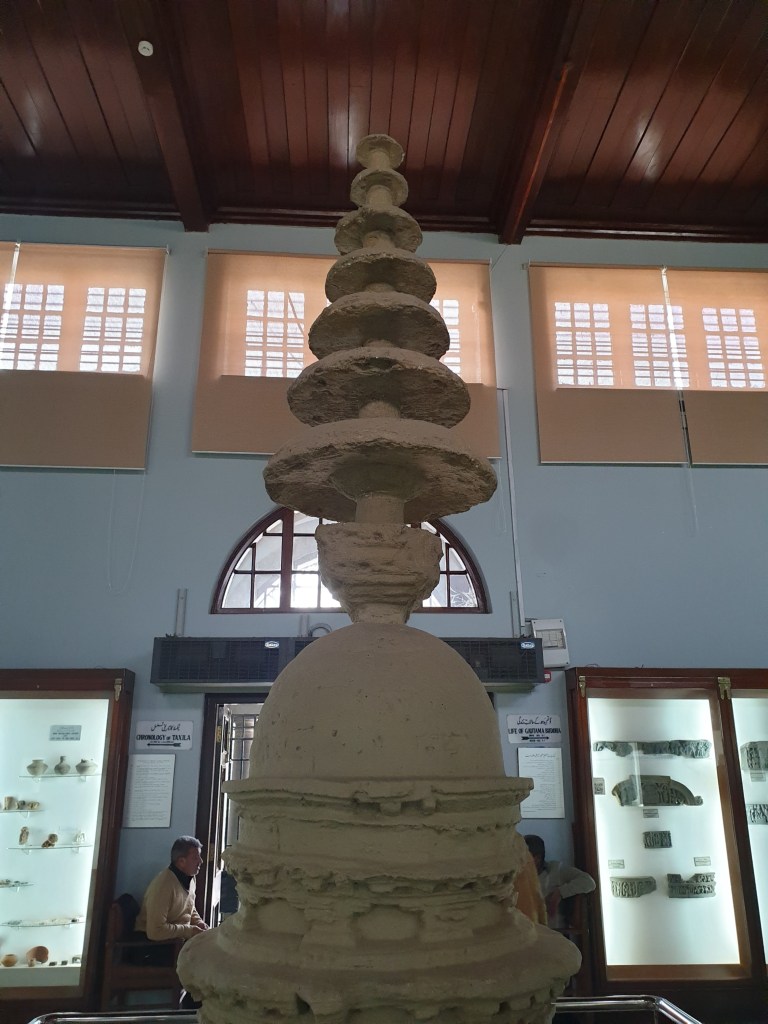

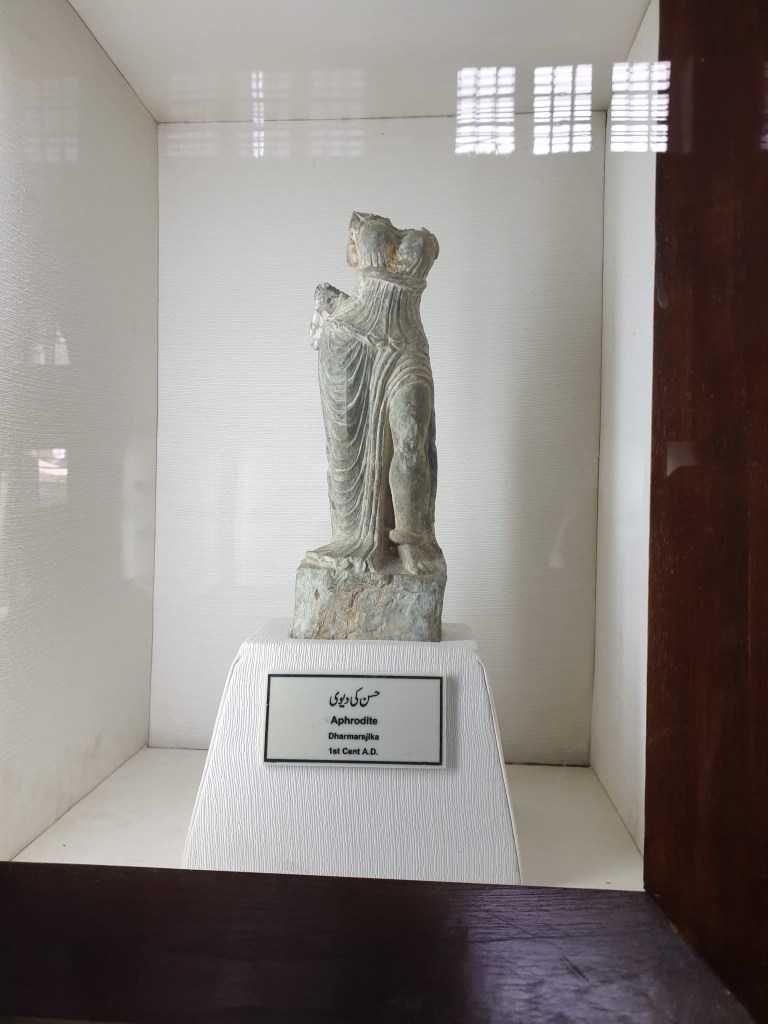
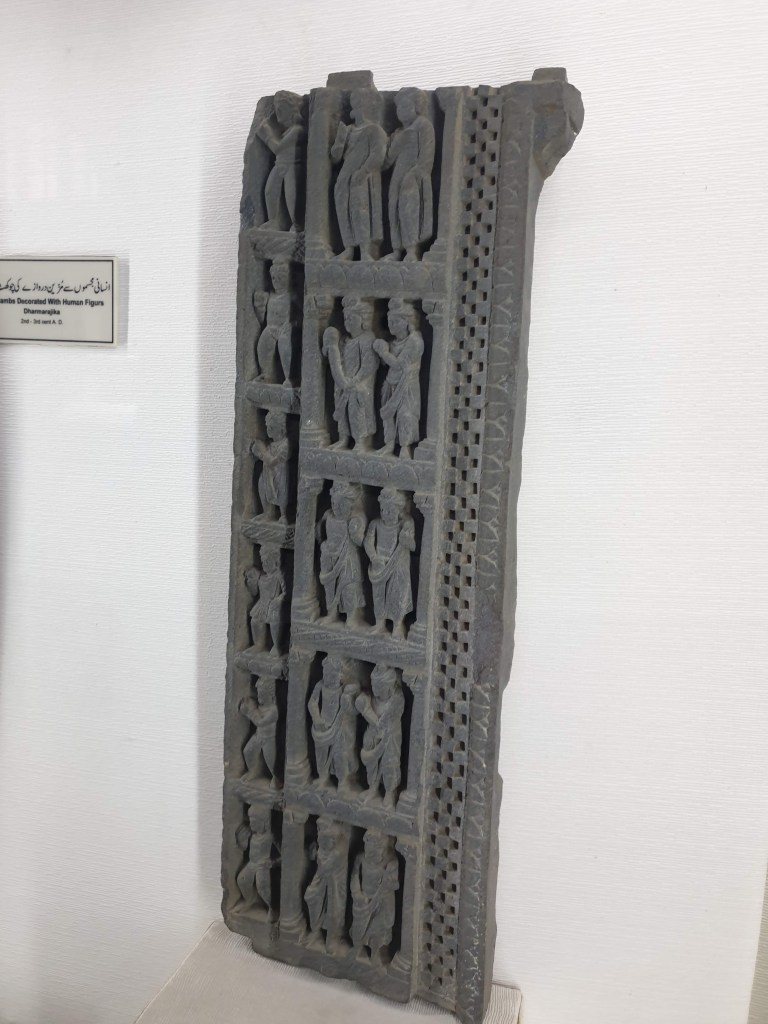
2. After the Museum we went to the site of one of the four old cities.
Taxila was an ancient site, one of the 16 Mahajanpandas that existed between 600-300 BC, in the lifetime of Lord Buddha. There is an older town situated in the Hathial mound. This town lasted from late 2000 BC until the Achaemenid period. A newer city at the Bhir Mound site represents the second city of Taxila. After the city at Bhir Mound, another two have been excavated, the third city at Sirkap which was established by the Bactrain Greeks in 180BC and the fourth Sirsukh established during the Kushan era in 80 AD.
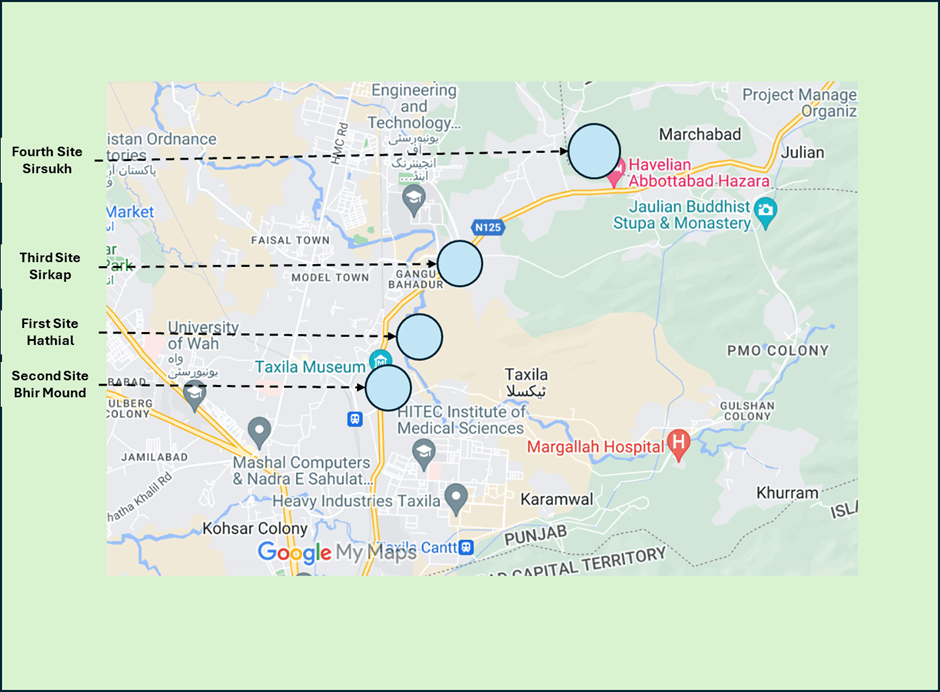
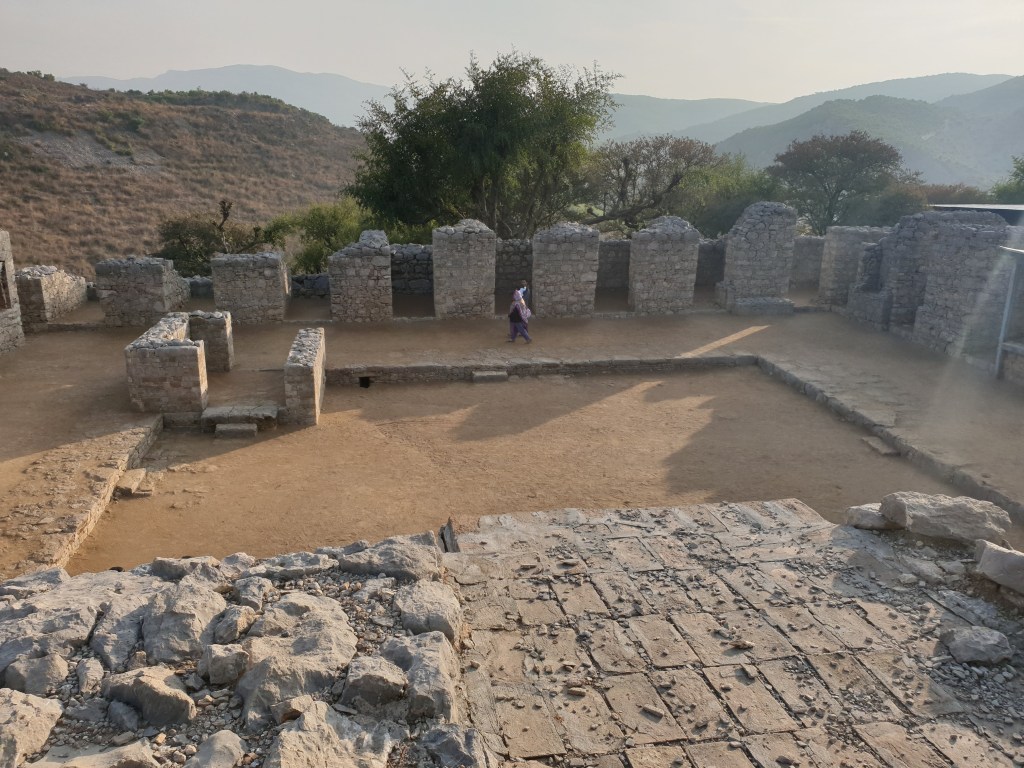
We went to Sirkap. Sirkap was founded by the Indo-Greeks around 180 BCE to serve as a fortified city. It reflects the Hellenistic influence that came with the Greek presence in the region. The city became an important hub for trade, culture, and the spread of Buddhism.
The city was built using a grid pattern, following Greek urban design principles. Streets were laid out systematically, with distinct residential, commercial, and religious areas. It is one of the earliest examples of such advanced town planning in South Asia.

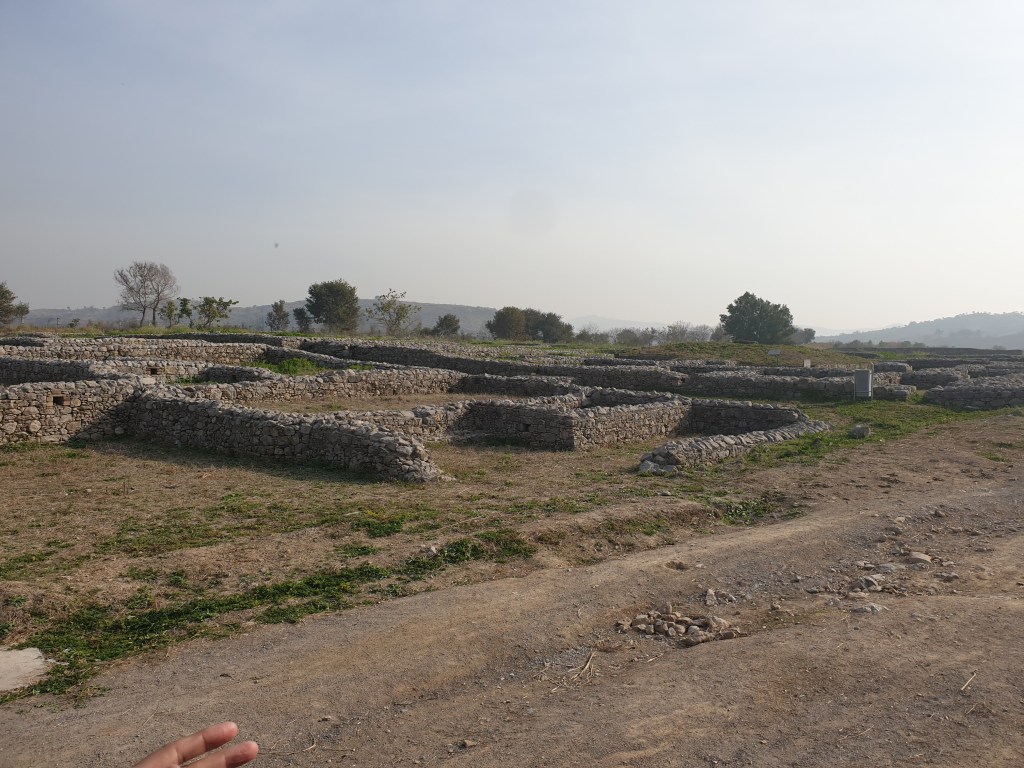
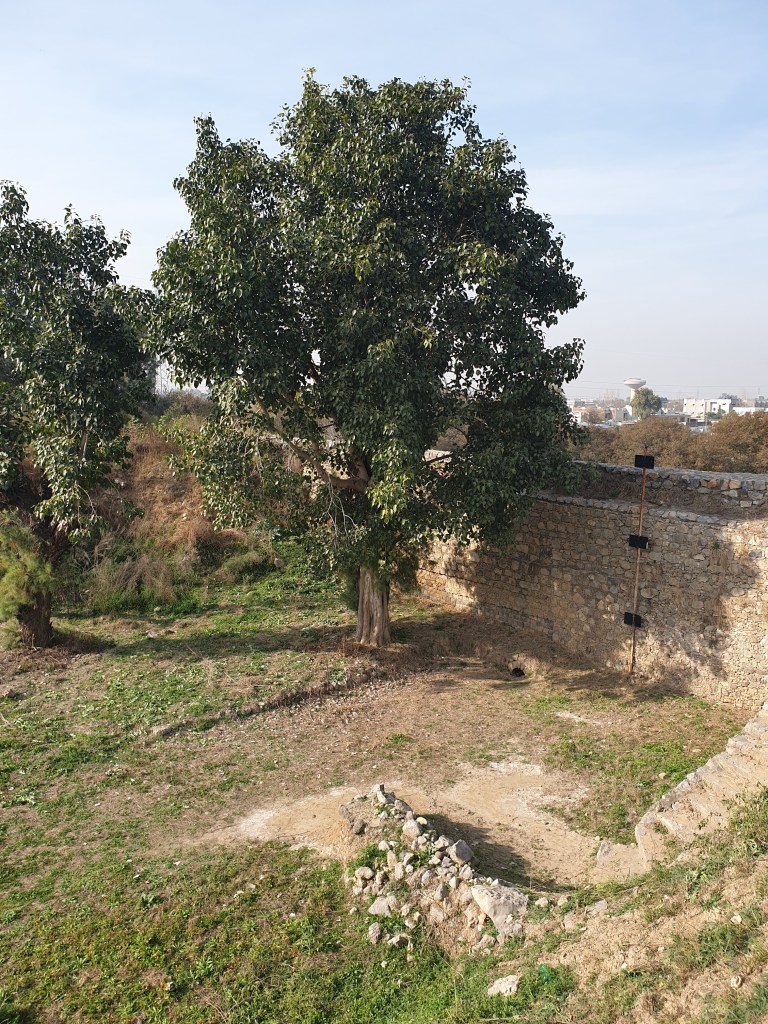

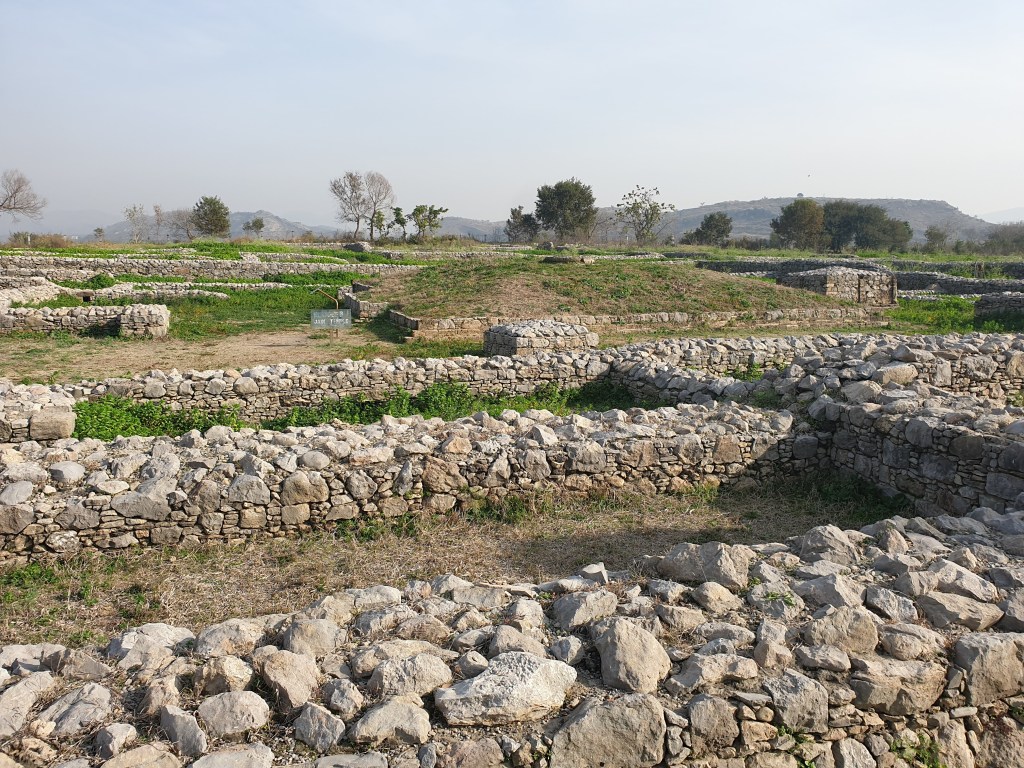

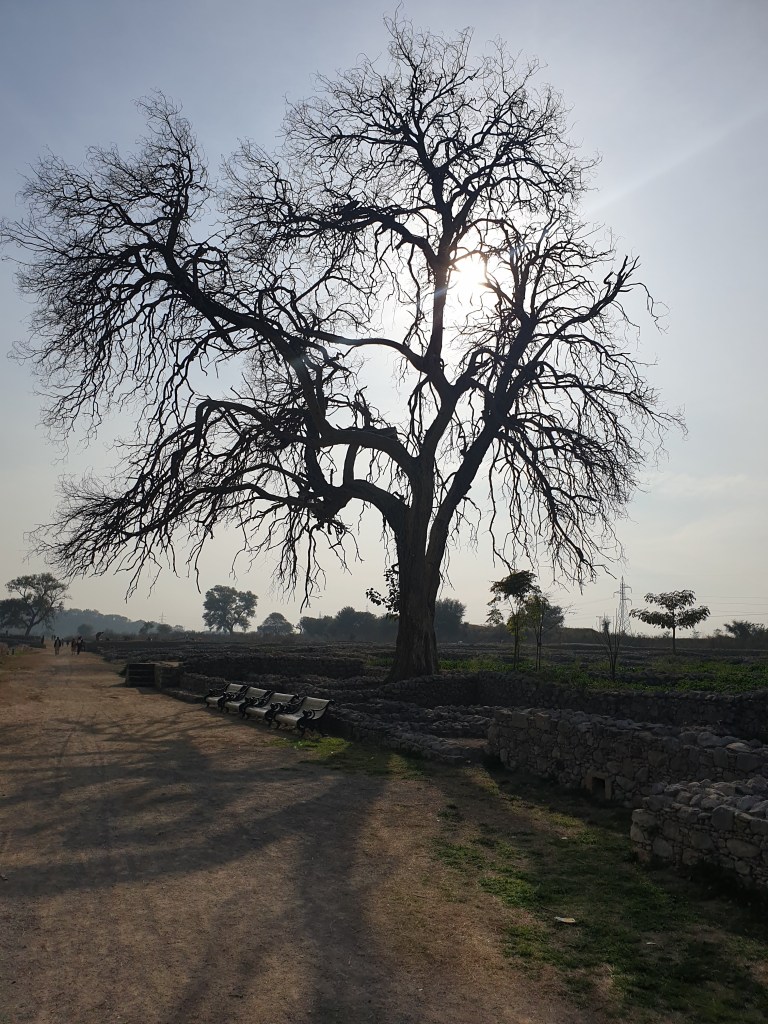
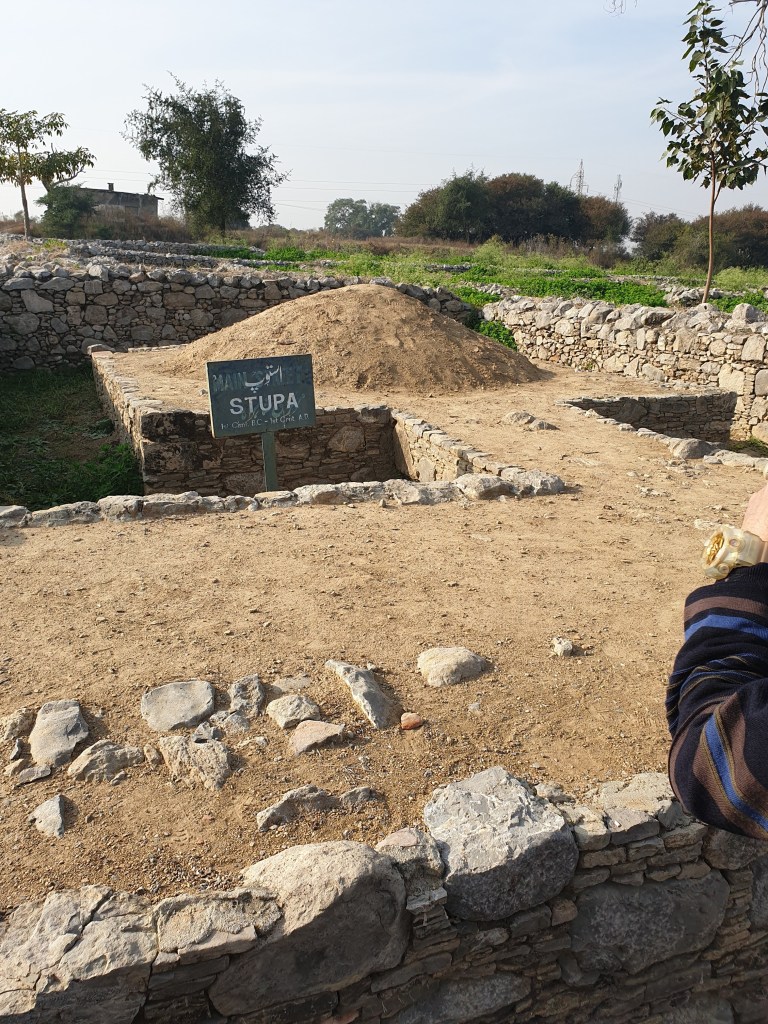
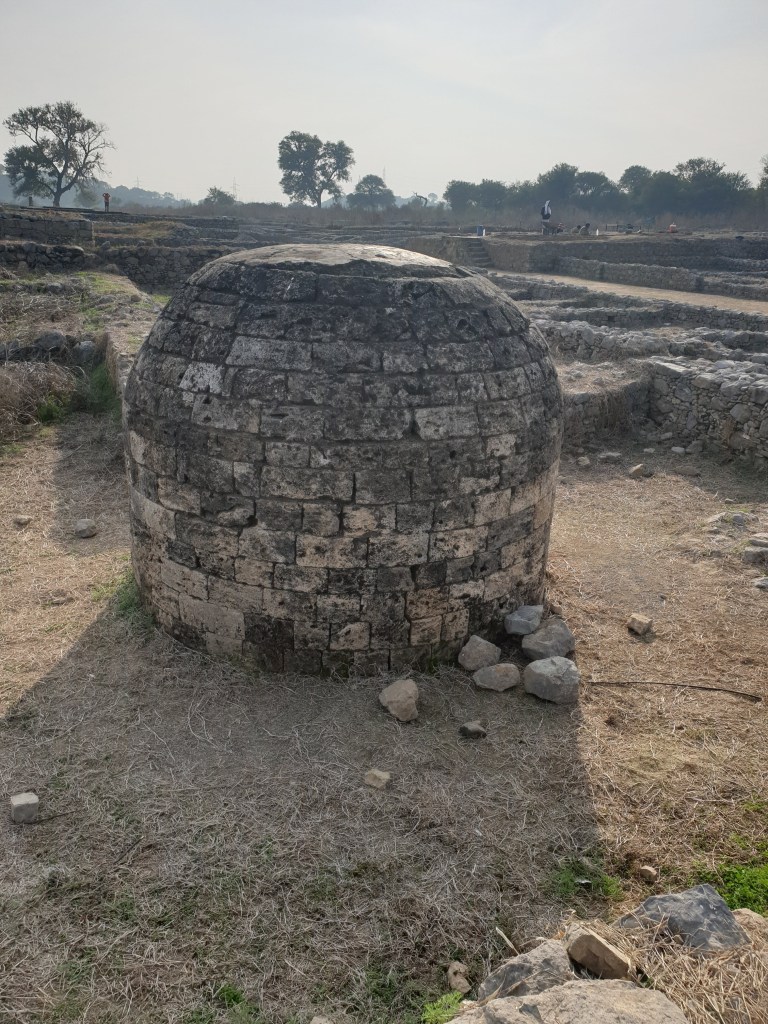
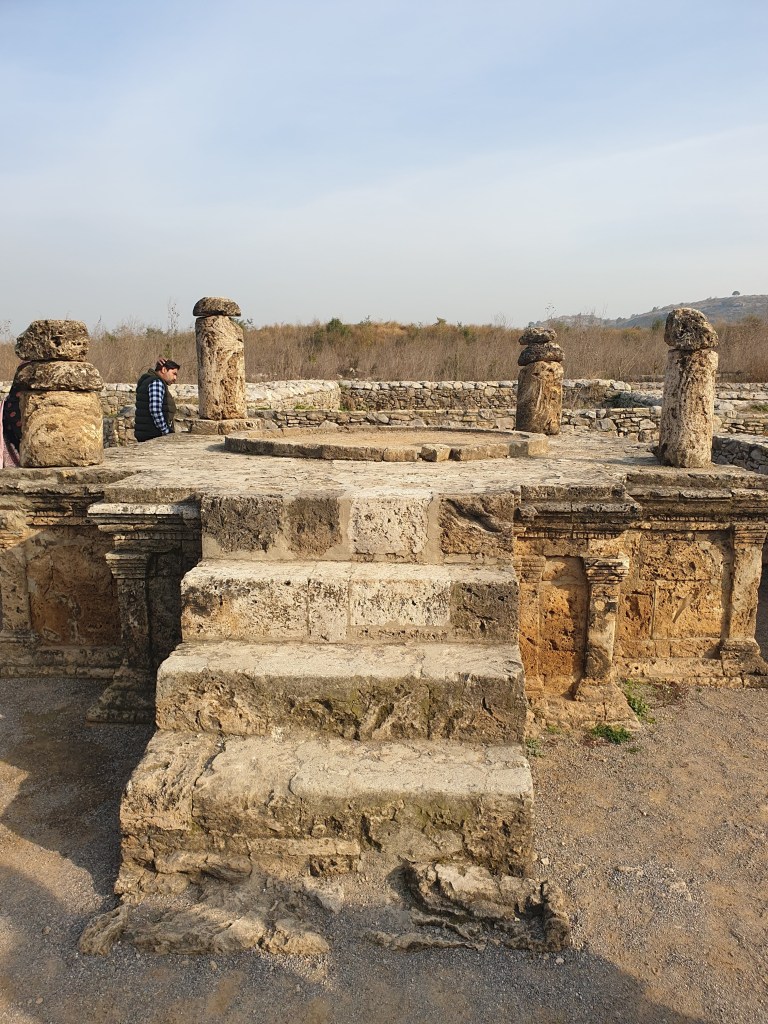

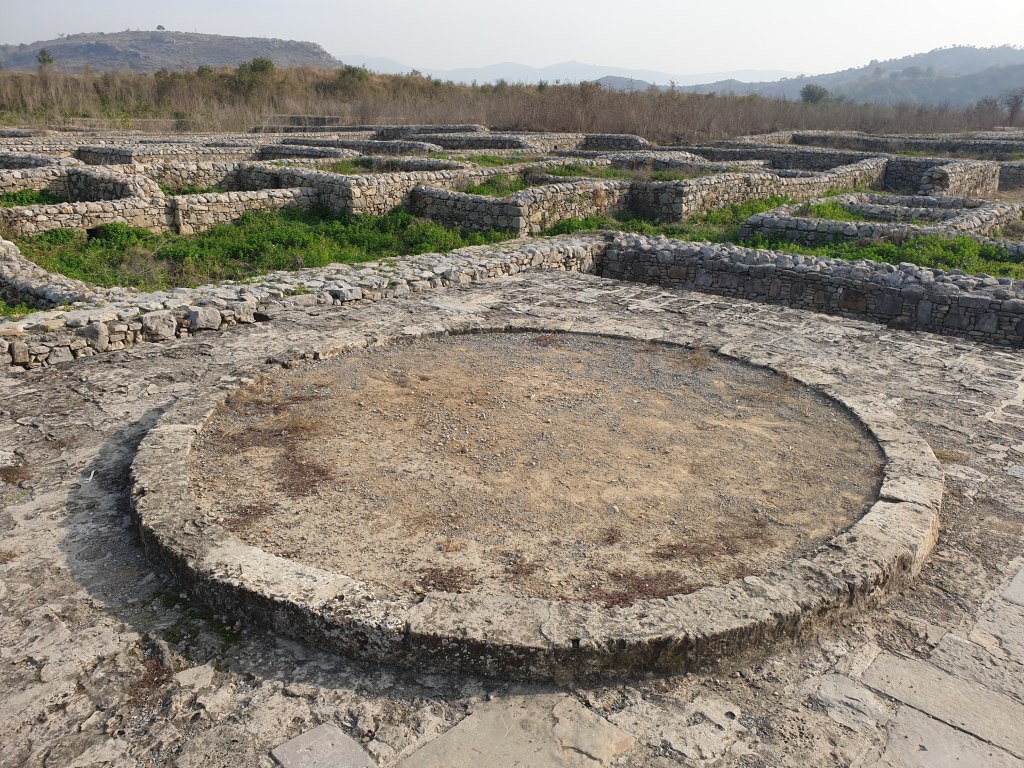
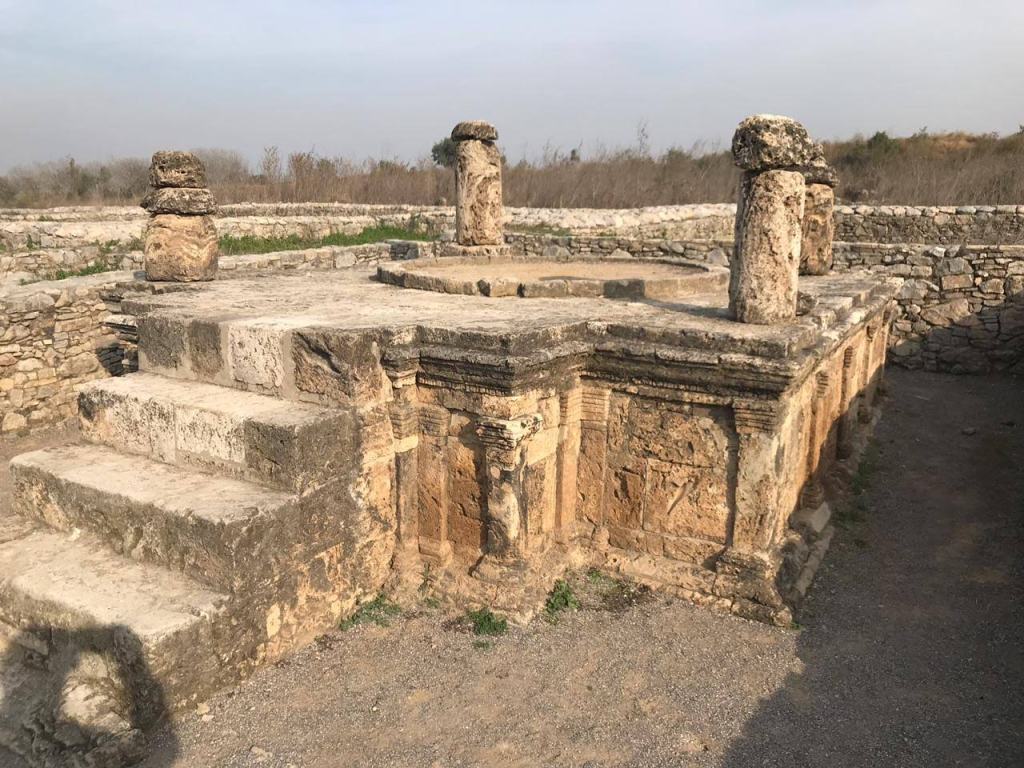
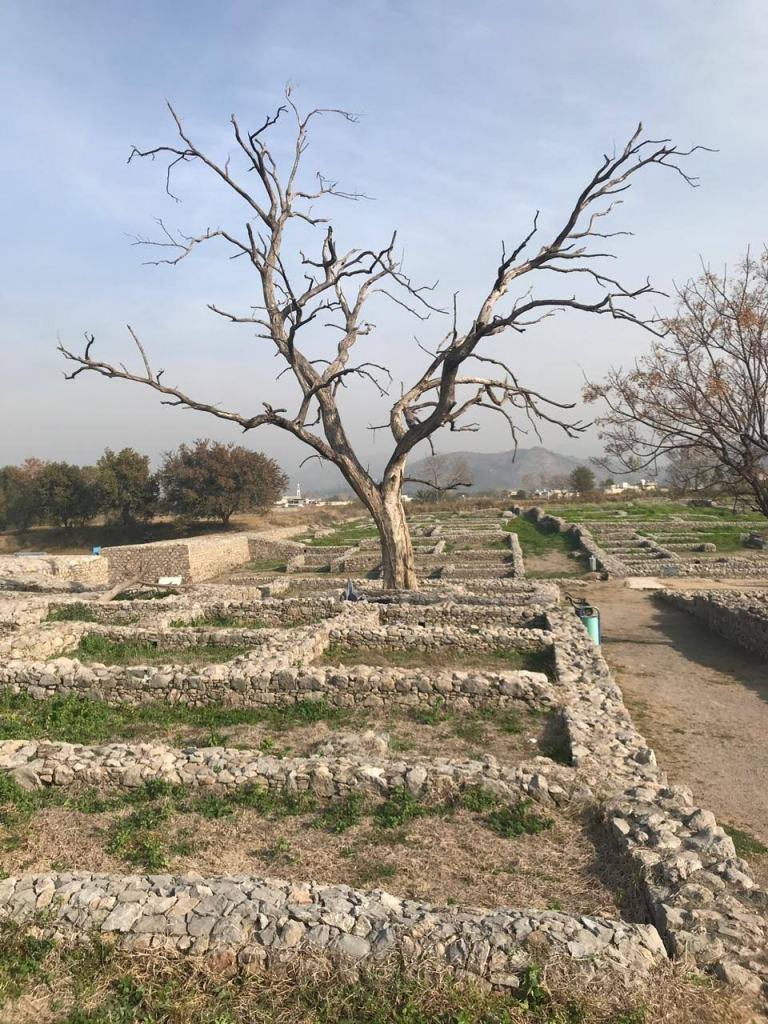


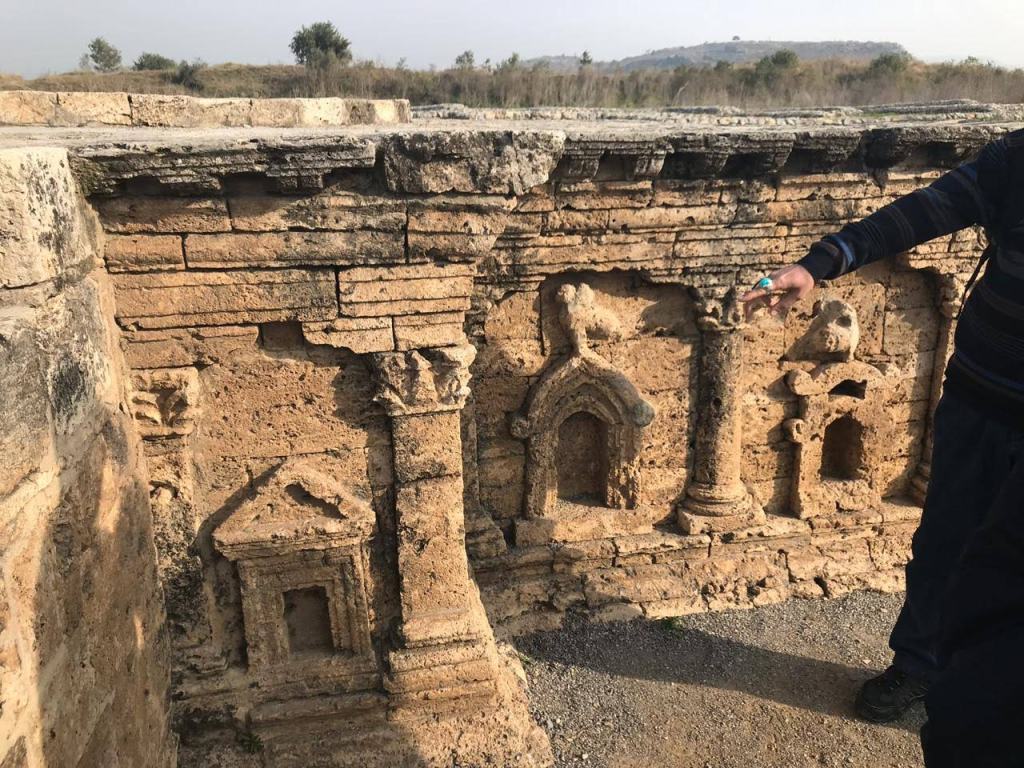
Sirkap is known for its Double-Headed Eagle Stupa, a unique structure symbolizing a mix of Greek and Buddhist influences.

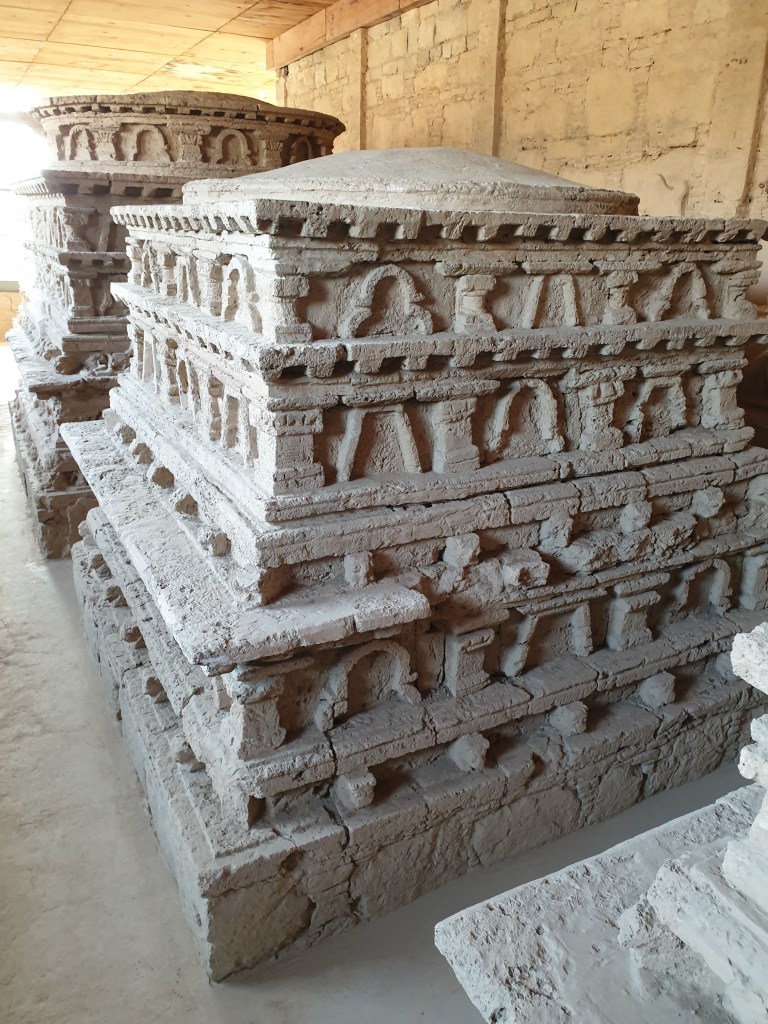
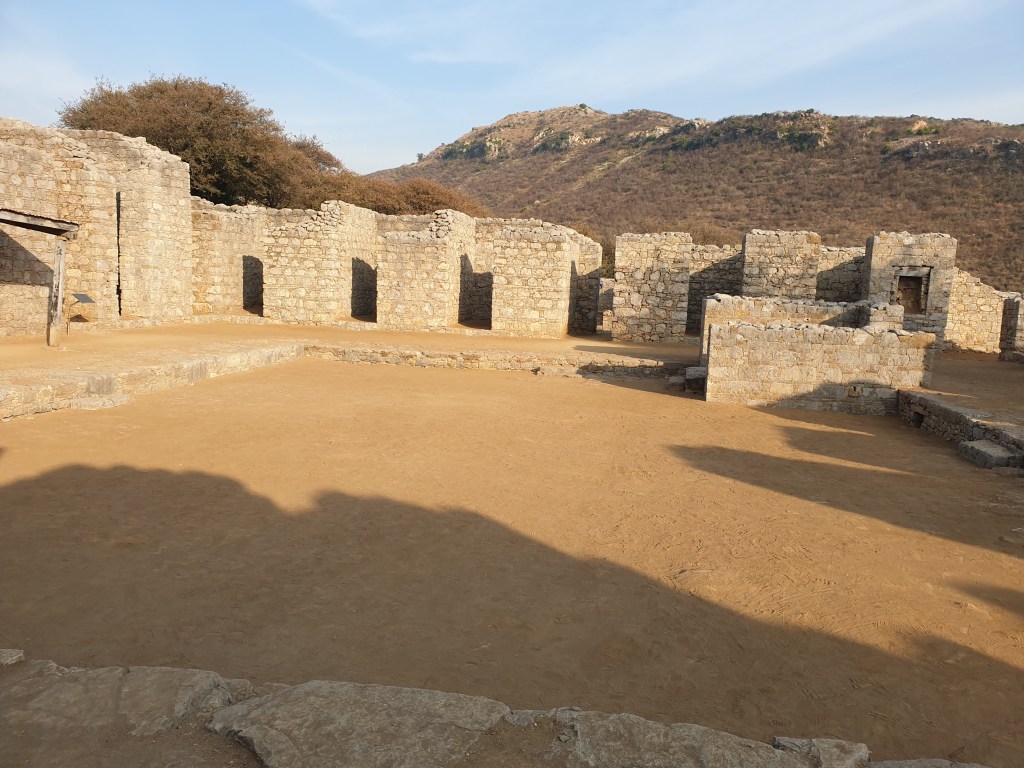
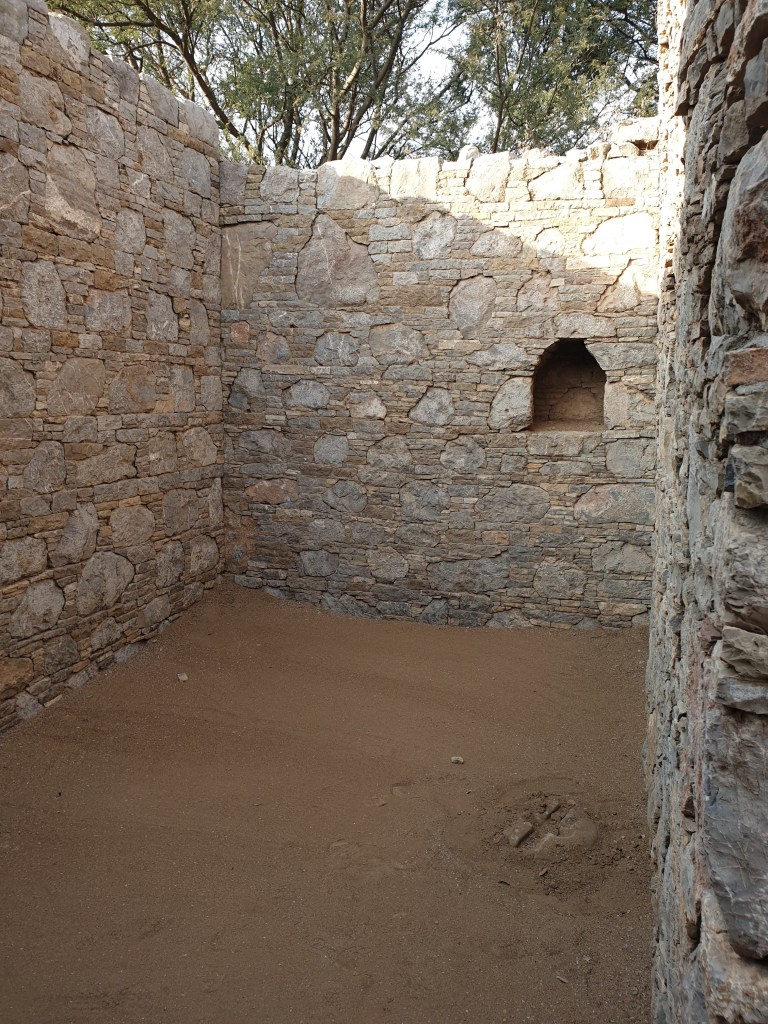
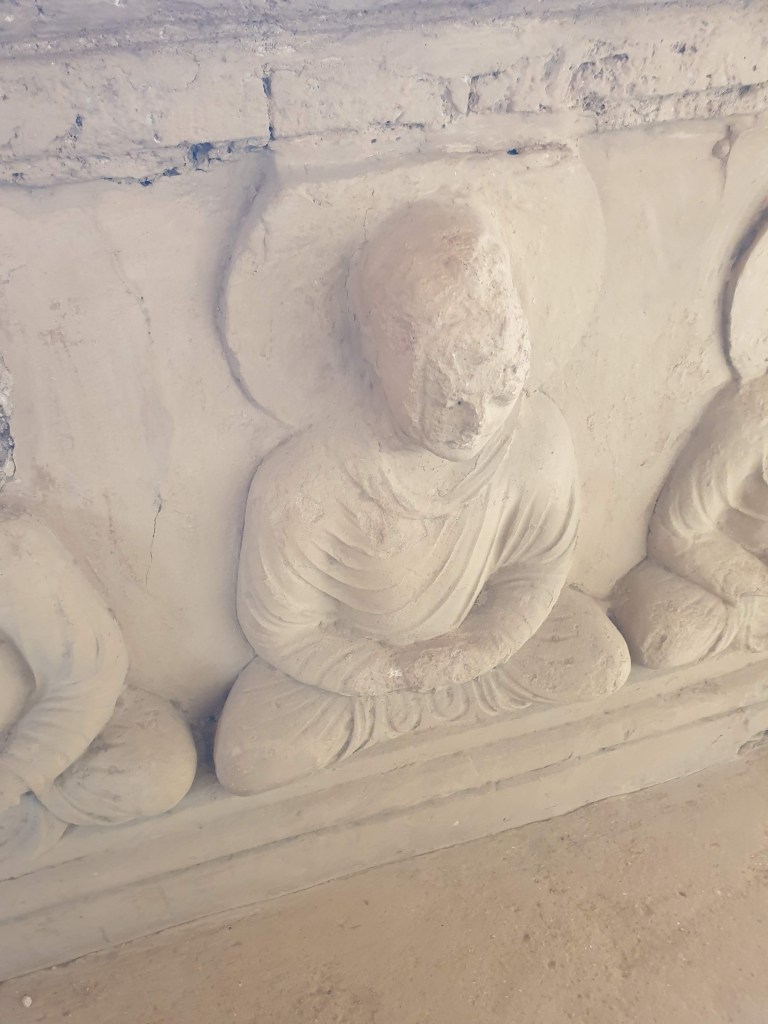
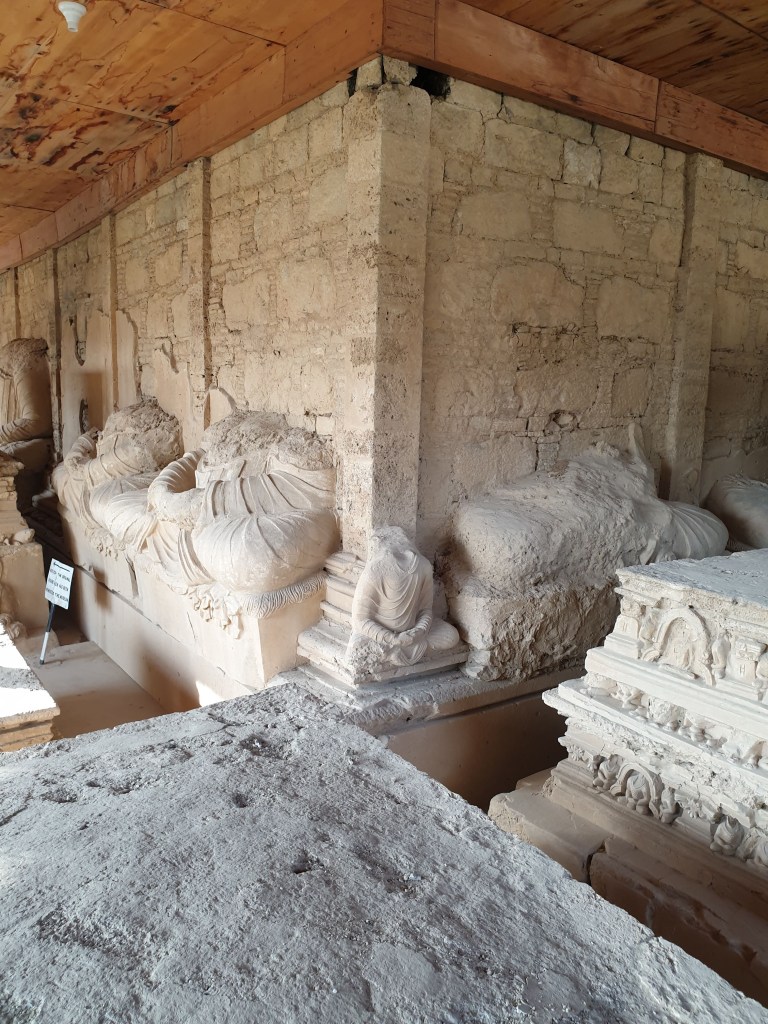
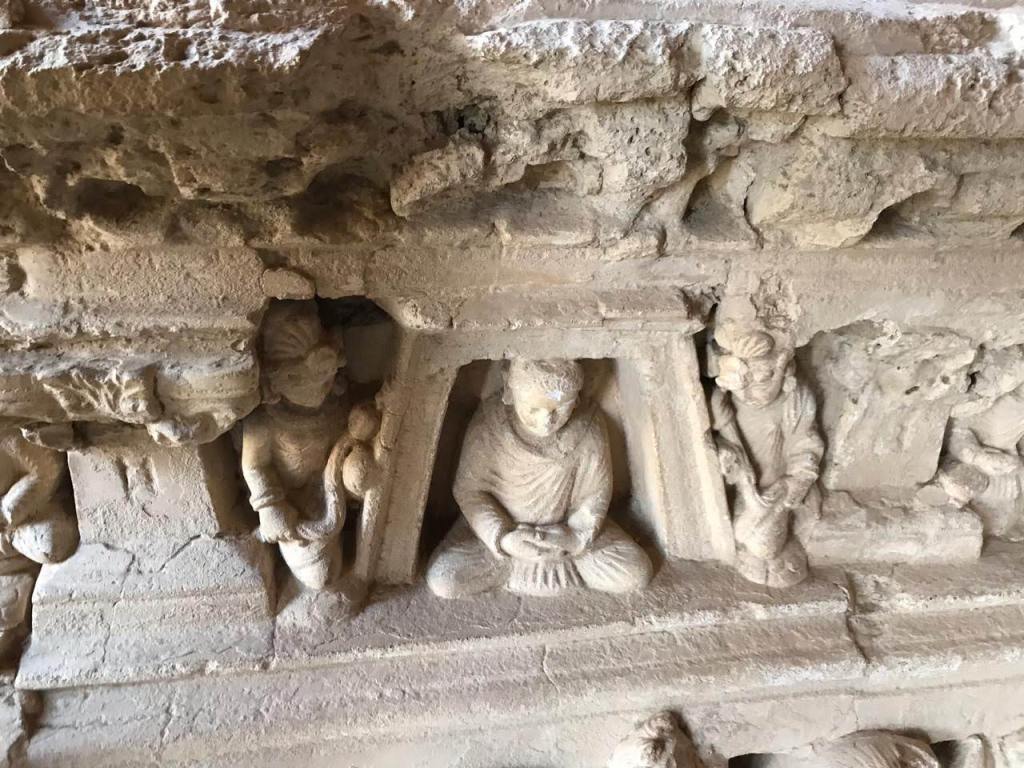
3. The third and final stop was Jaulian monastery. This is an ancient Buddhist monastic complex dating back to the 2nd–5th centuries CE. It is a UNESCO World Heritage Site and part of the broader archaeological area of Taxila, an important center of learning and culture during the Gandhara civilization. The monastery was established as a religious and educational hub for Buddhist monks. It served as a center for meditation, learning, and the dissemination of Buddhist teachings, particularly the Mahayana school of Buddhism.






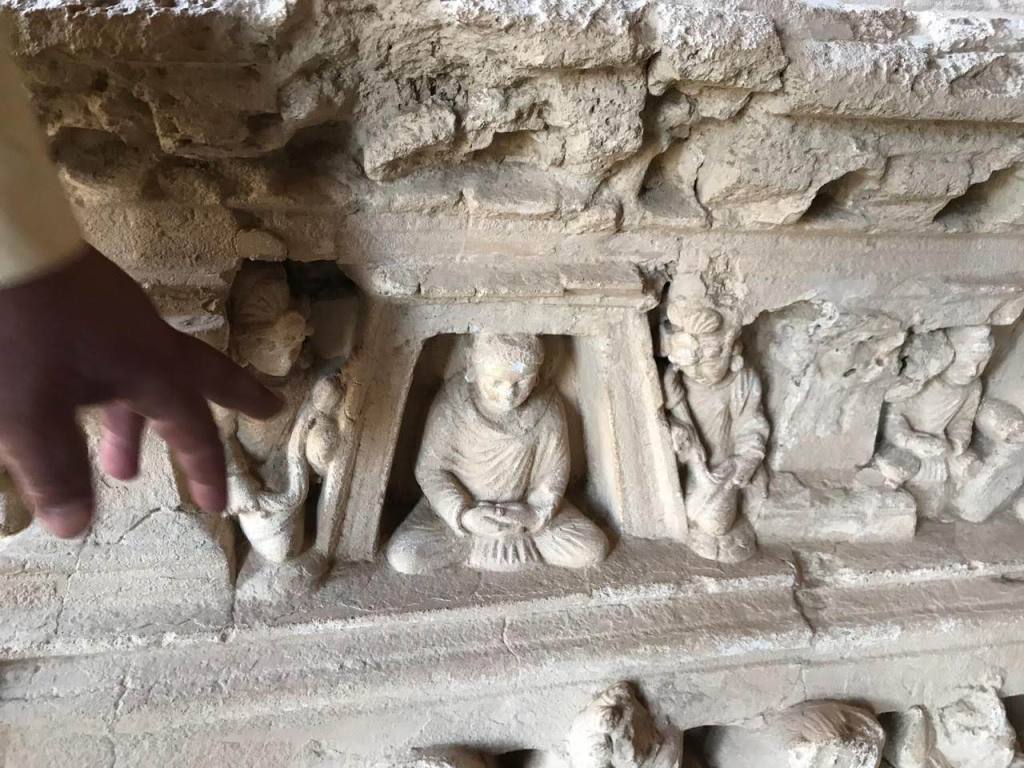
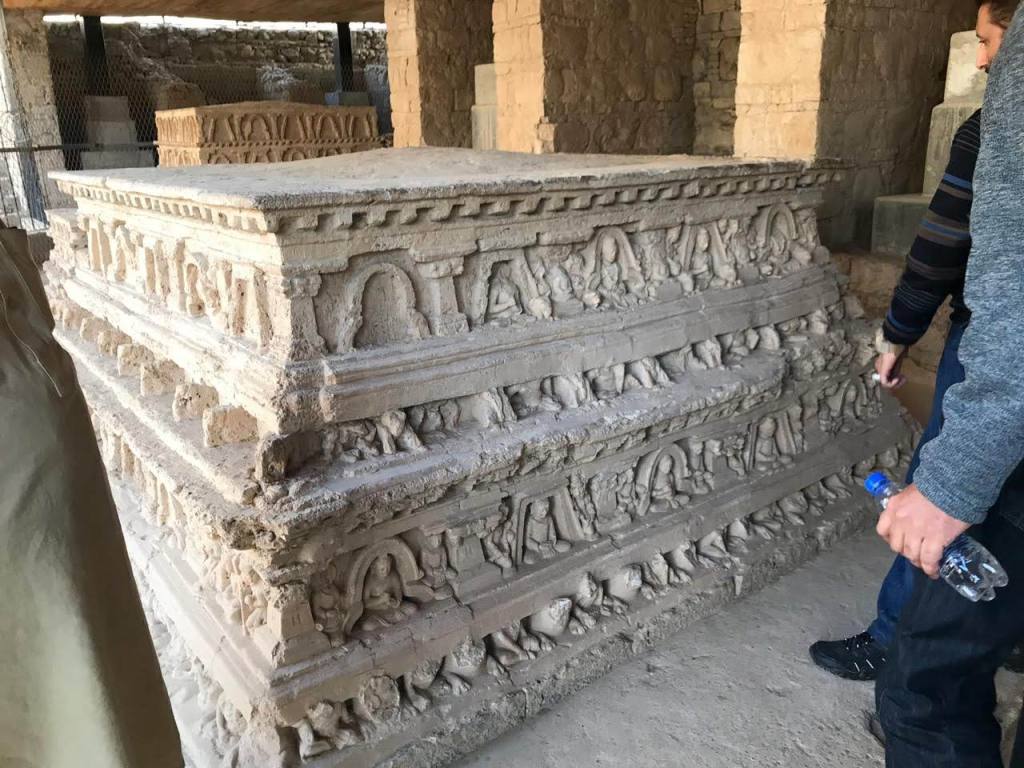
4. After Jaulian we decided to head home.
 History of Gandhara
Leave a comment