Journey
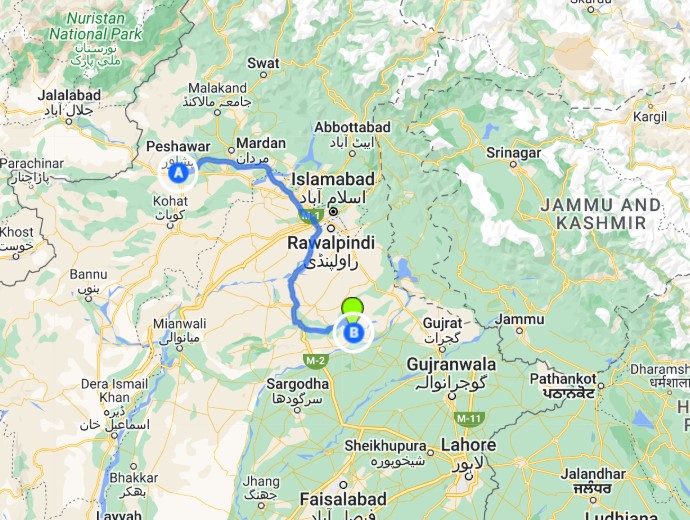
As part of my interest in the Hindu Sahi dynasty, I made a day trip with my cousins from Peshawar to Nandna.
The Hindu Shahi dynasty was a prominent ruling dynasty in the northwestern regions of the Indian subcontinent, particularly in present-day Afghanistan and Pakistan, from the 7th to the early 11th centuries CE. Known for their resilience and strategic governance. Their eventual decline, marked by the conquest of their territories by Mahmud of Ghazni, signaled a significant shift in the region’s political and cultural landscape.
1. Traveled from Peshawar on KPK province of Pakistan with two companions, my cousins Samir and Fahd to Nandana to look for the ancient capital of the Shahis. We started the trip at Dawn, it was an ambitious plane, where we would see Nandana, Khewra, Katas Raj temple, Kallar Kahar and make it back that night to attend a wedding outside of Peshawar.
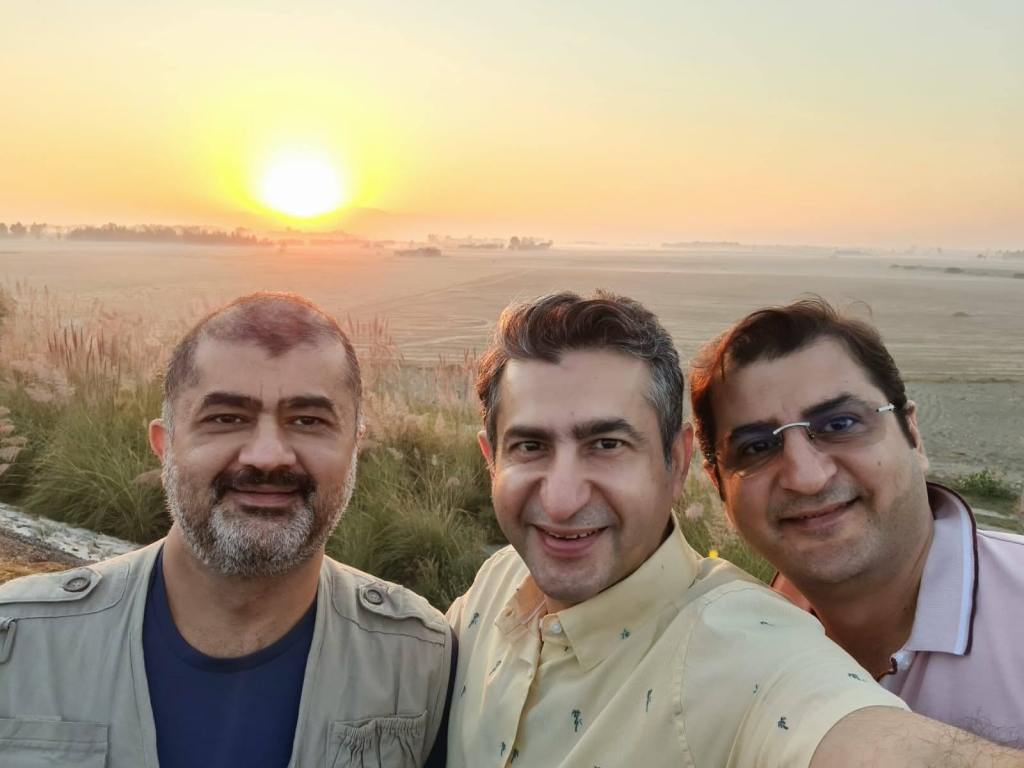
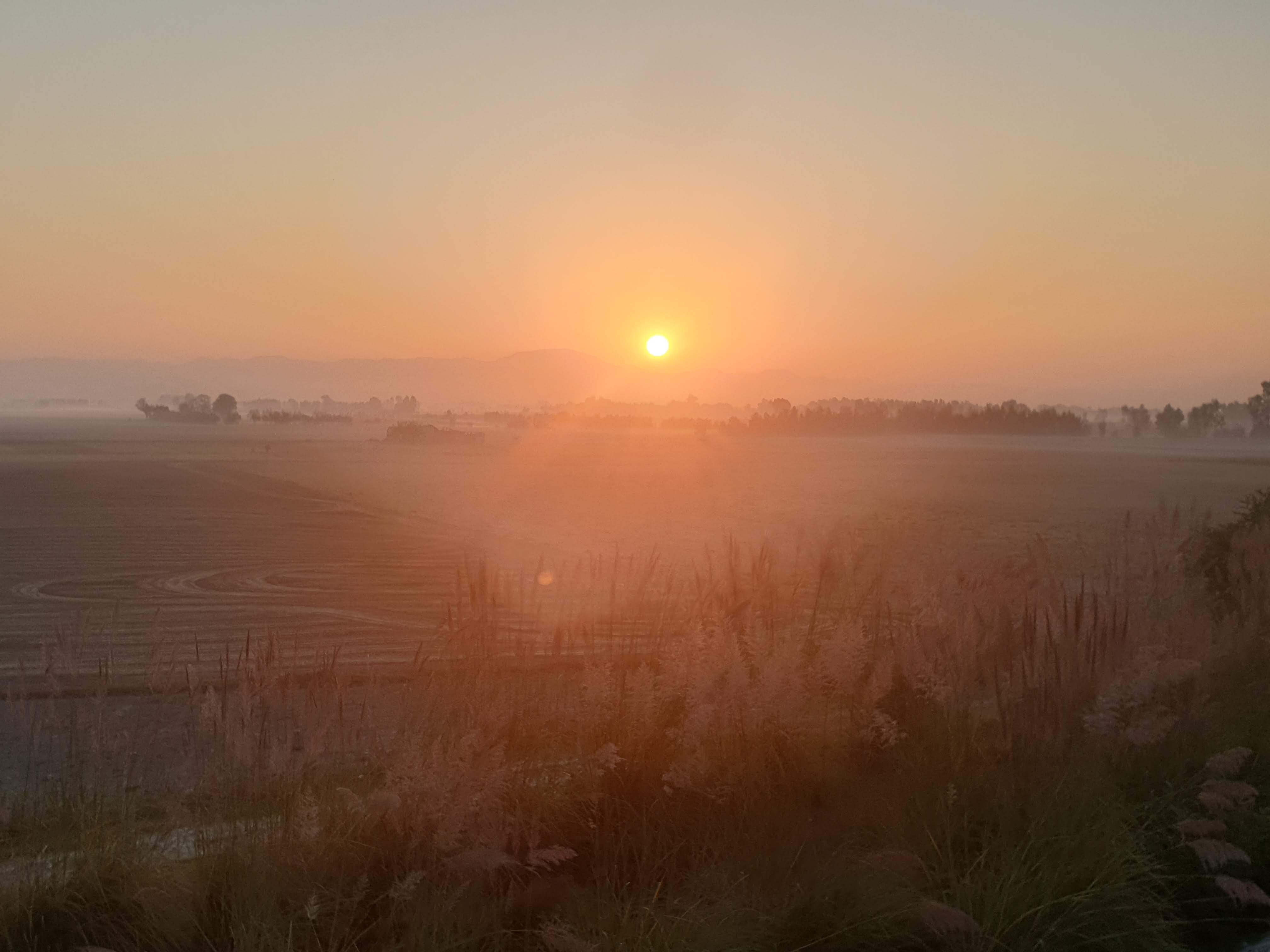
2. It was a beautiful time of the day, we saw the sun coming up at Chhach after crossing the Indus.
3. We parked our vehicle next to a coal mine which we inspected
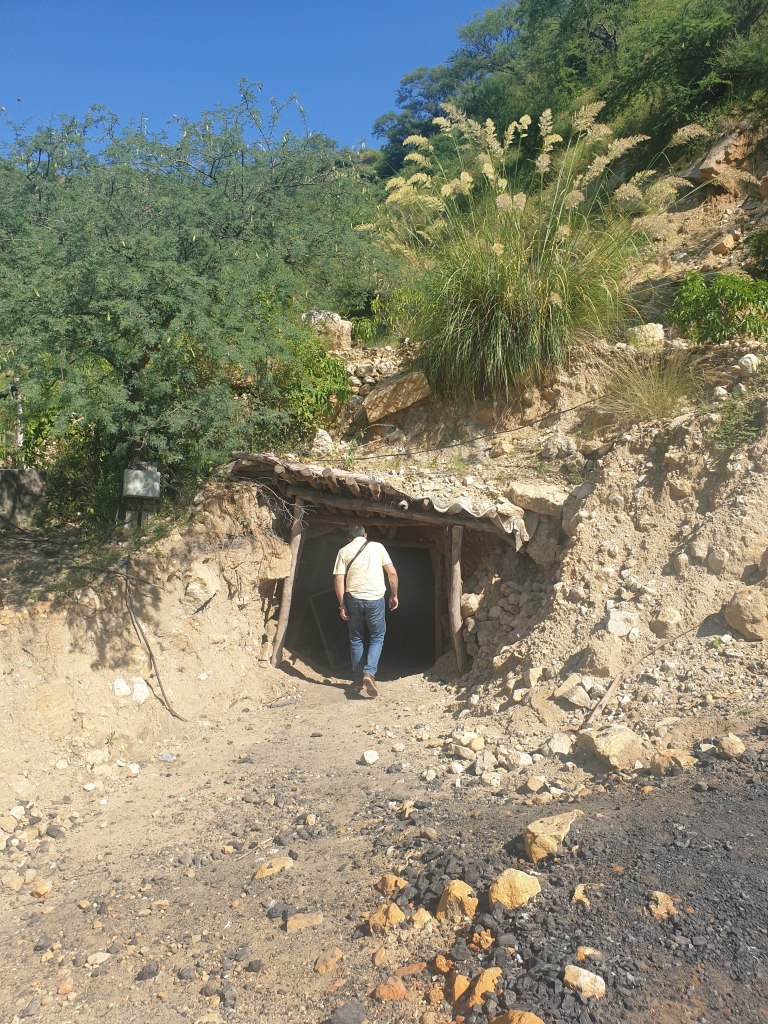
4. From where we parked the car, we could see the fort in the distance and decided to hike it there. We were not prepared as the terrain is tricky, with many ravines that are not navigable and the vegetation was full of thorns.

5. After a tough hike where I managed to fall in a bush of thorns, we finally managed to make it to the fort (getting lost on the way).
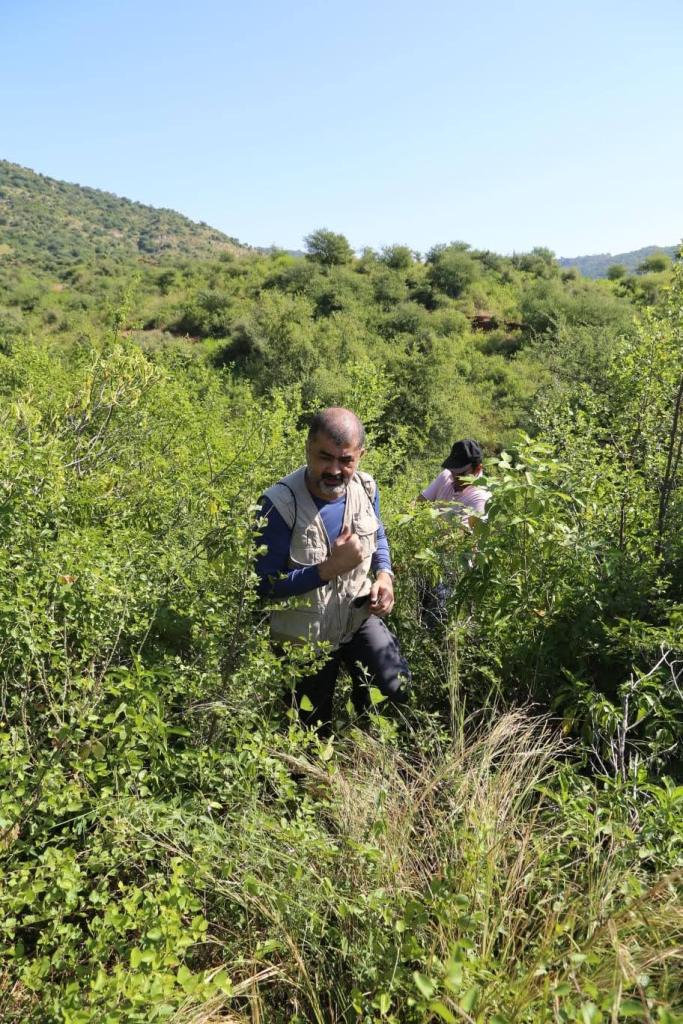
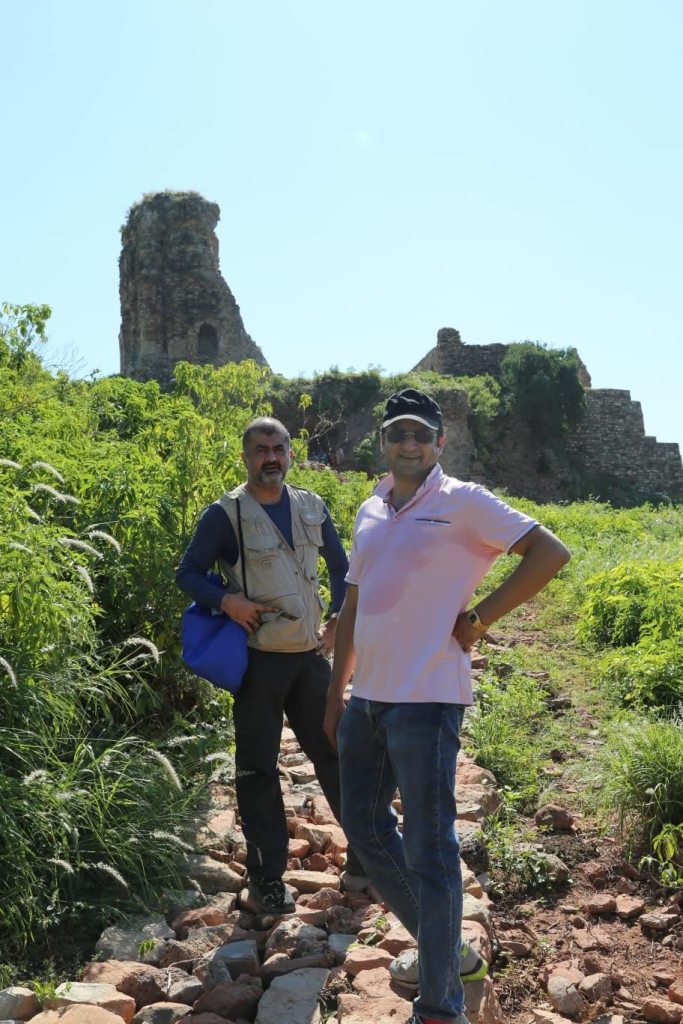
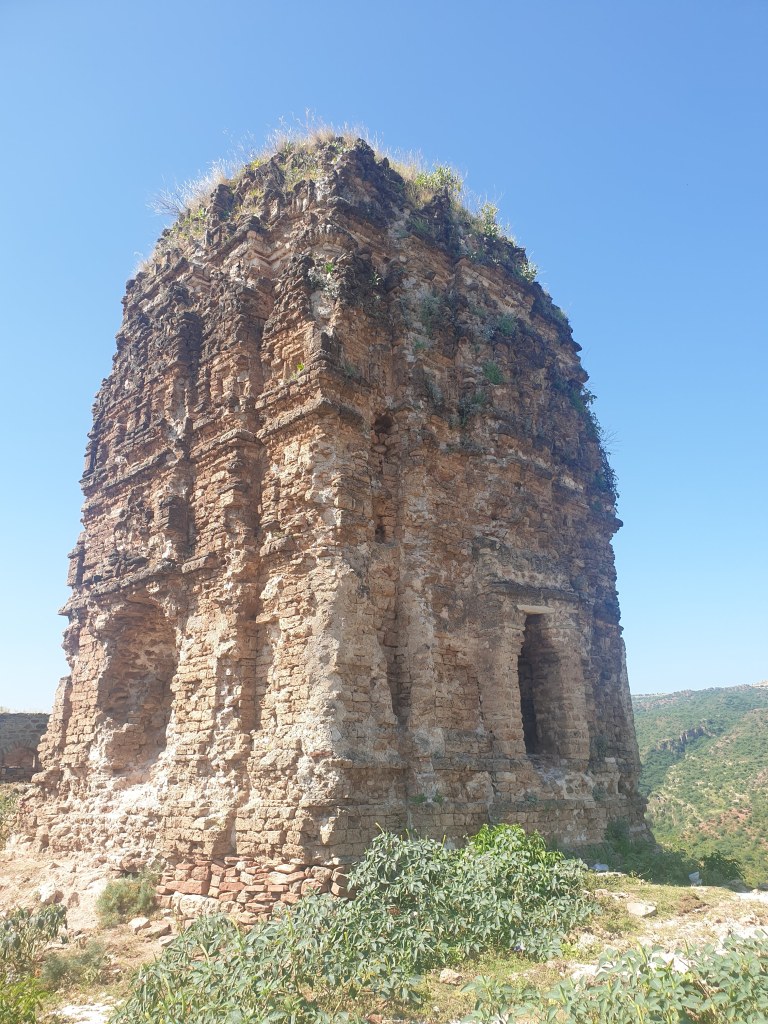
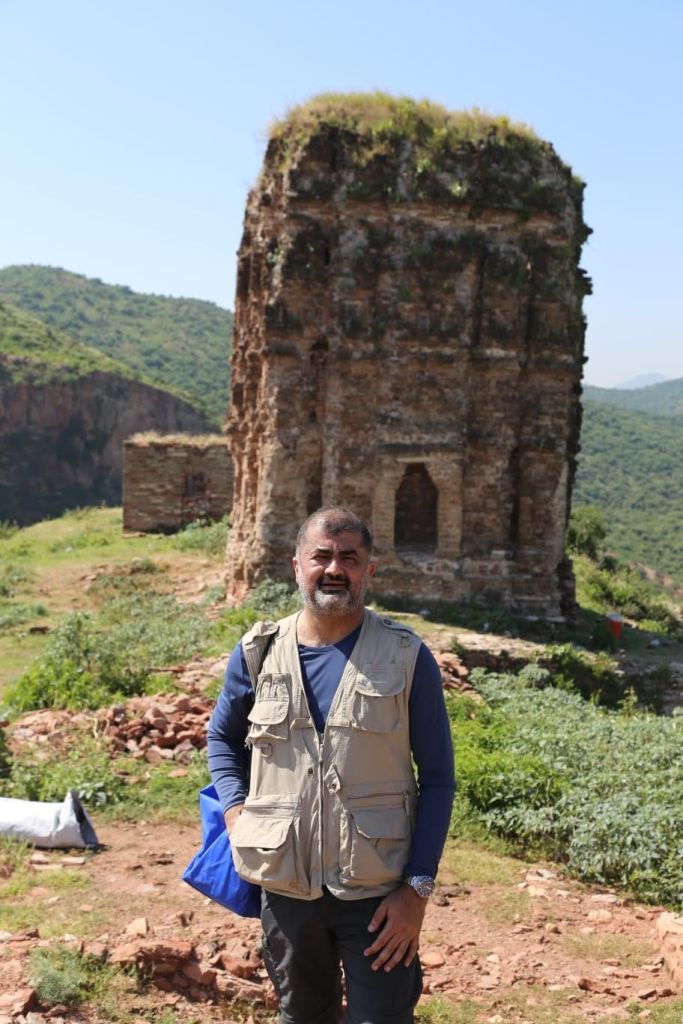
6. From the fort we got a good view of the horizon. It was this horizon and this fort that Al Beruni used to measure the circumference on the earth.
https://youtu.be/uRBvT5QcO8A
It was also in the valley below where Mahmud of Ghazni’s army camped before their battle with the Hindu Shahis and Nandana. The battle took place in Spring of 1014 CE and was Mahmud’s tenth invasion.
The Shahi King, Trilochanapala, had left the army under the command of his son Bhimapala. Bhimapala was strongly entrenched between two hills at the junction of which the fort was situated. The entrance of the pass was closed by a strong line of elephants. Bhima was strategic in his thinking using the topography to his advantage. He carried on occasional fighting to demoralize the enemy, hut without showing any intention of coming out into the open field.
Mahmud was frustrated knowing that he could not use his swift moving cavalry but the longer he waited the more troops were coming to support the defenders. Also awaited were the promised troops from Kashmir. He used his warriors including the martial Daylamites and Afghan spearmen to provoke the Hindu Sahi army into action. After several days he did manage to lure a detachment into the plains and then routed them.
Bhimapala’s troops increased daily, until finally they gave him the confidence to change strategy. The confidence in his numerical superiority, his youth and inexperience and his courage finally overcame reason caused Bhimapala set his strategy to one side and decided to leave his entrenched position and fight the Ghaznavids on the plain.
With his rear protected by the hills and both his wings protected by elephants, Bhimapala started the attack. The battle raged furiously throughout the day. At one point, Bhimapala ordered his elephants to charge to push his advantage . As soon as his elephants moved, they were assaulted by the Ghaznavids with showers of arrows targeting their trunks and their eyes, forcing the elephants to turn back. An all-out battle raged for some time. Before long Mahmud made a final furious assault which the Sahis could not hold off. The Hindu Sahi army broke and fled to the fort seeking refuge. Bhimapala left a garrison in the fort and fled towards Kashmir with his remaining troops to join his father. This was the last the father or son would see their capital.
In the fort the remaining Sahi army were demoralised having lost the battle and their commander, the Prince, having fled. The defence of the capital had been entrusted to a strong garrison consisting of veteran troops and we can assume led by the above mentioned Saindhava governor.
Mahmud marched to the capital and besieged its fort. Having failed to capture it by ordinary means, he ordered his sappers to lay mines under the walls. All the while Turkish archers poured shower after shower of arrows on the defenders causing a great many casualties. Realising that the situation was hopeless, the dispirited garrison surrendered unconditionally.
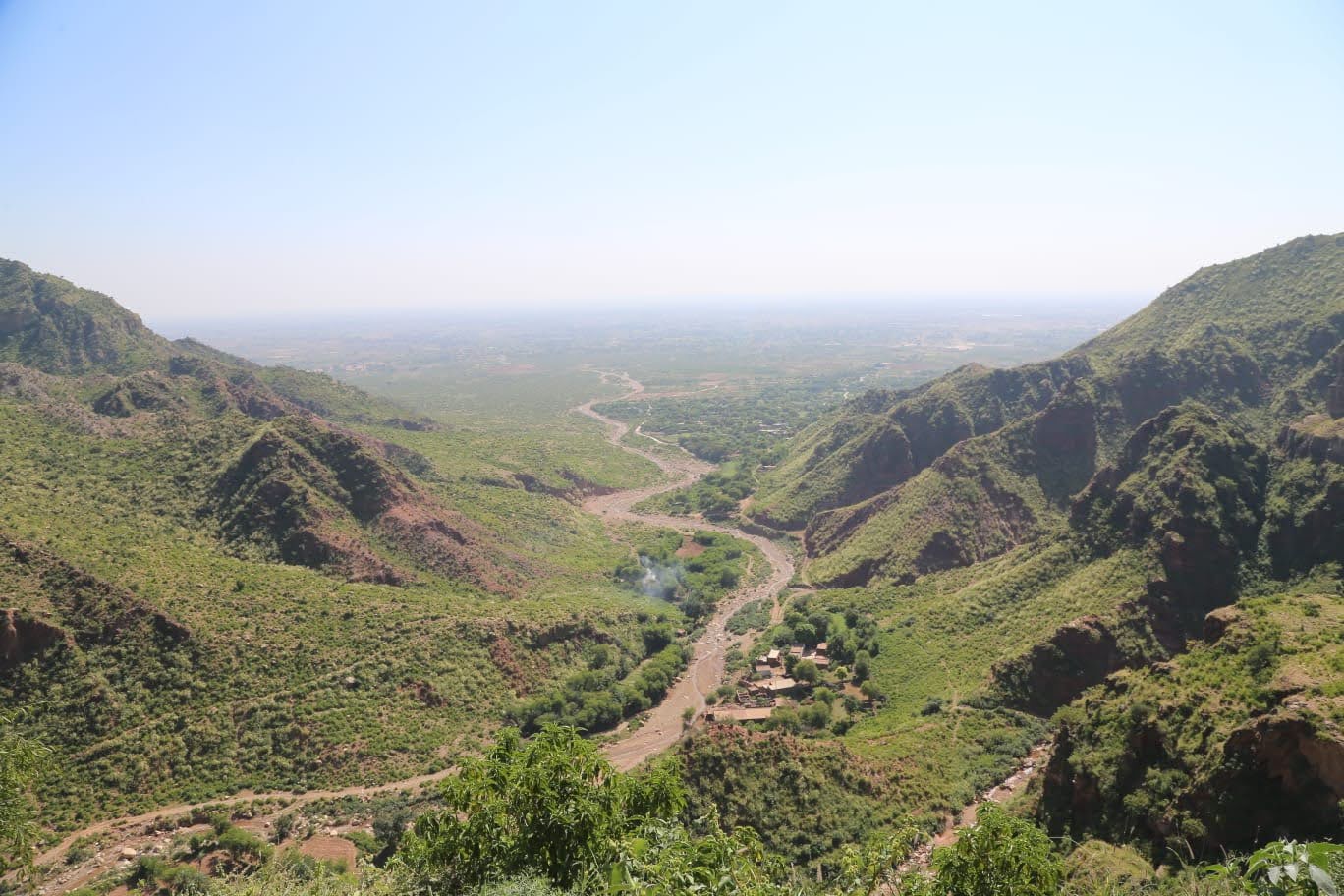
7. After hiking back the difficult terrain, we discovered that there was an easier path to the fort from the village, Bhaganwala, we could see in the horizon. We got back to the car with great difficulty after which we got hydrated and drove to our next stop. Khewra Salt Mines
The Khewra Salt Mines, located in the Punjab region of Pakistan, are among the oldest and largest salt mines in the world. Their history dates back thousands of years, the mines are believed to have been discovered in 320 BC, although salt extraction in the area likely began even earlier. Local legend attributes the discovery to Alexander the Great’s horse, which licked salt from the rocks during his campaign in the region.
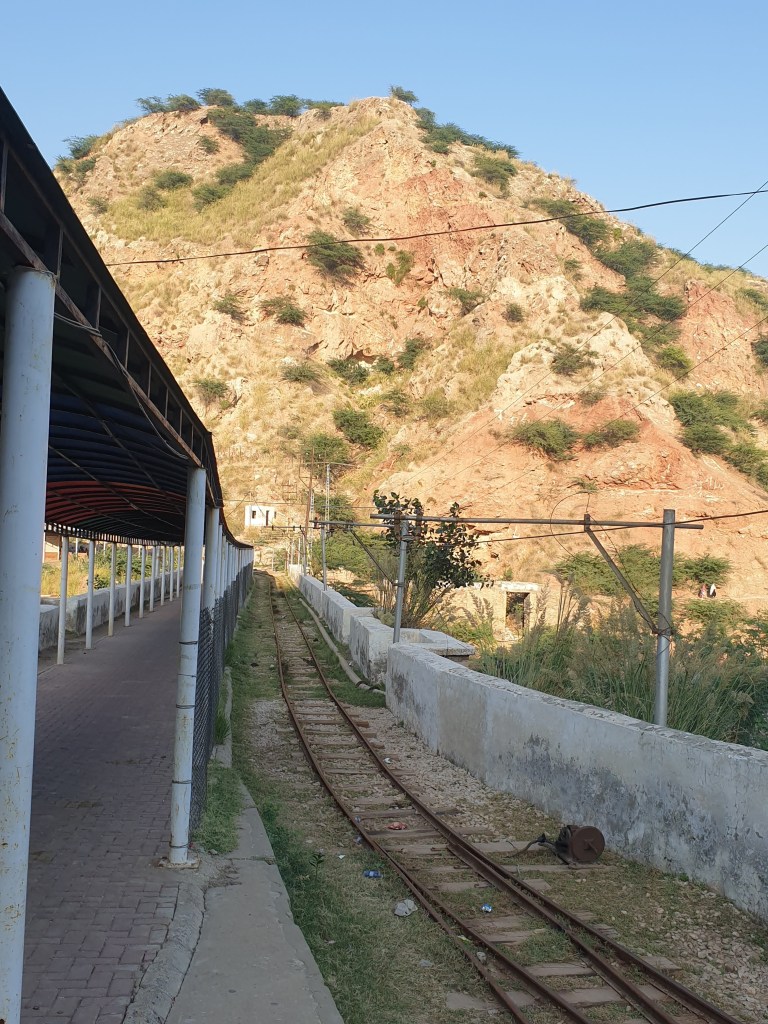
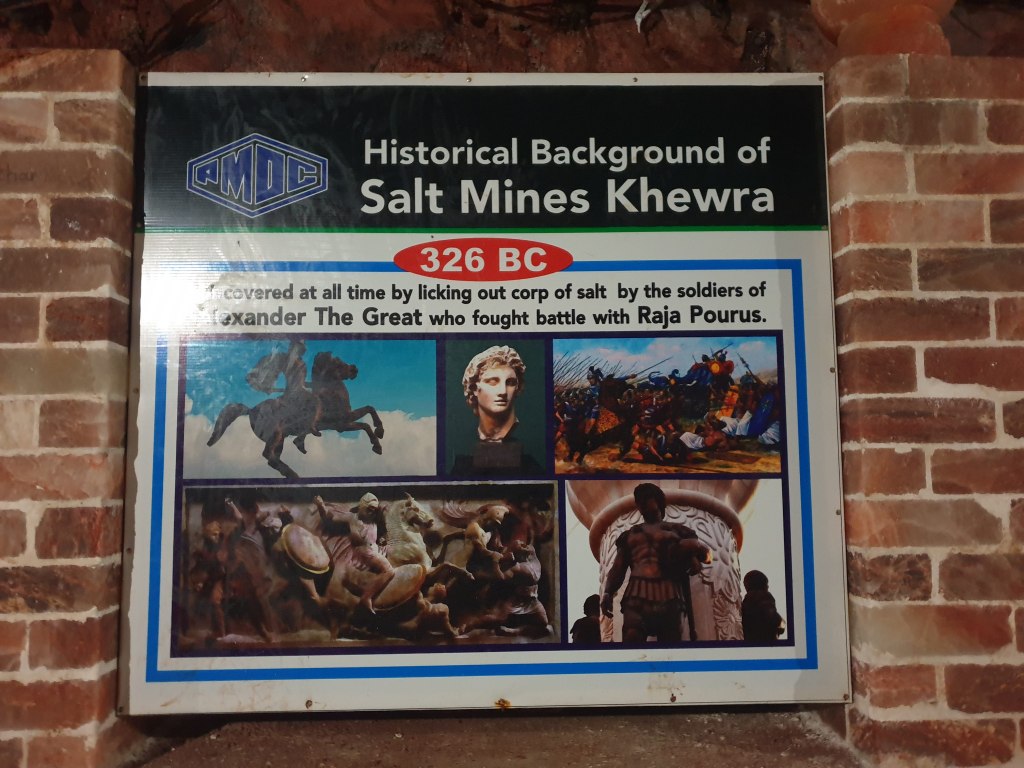

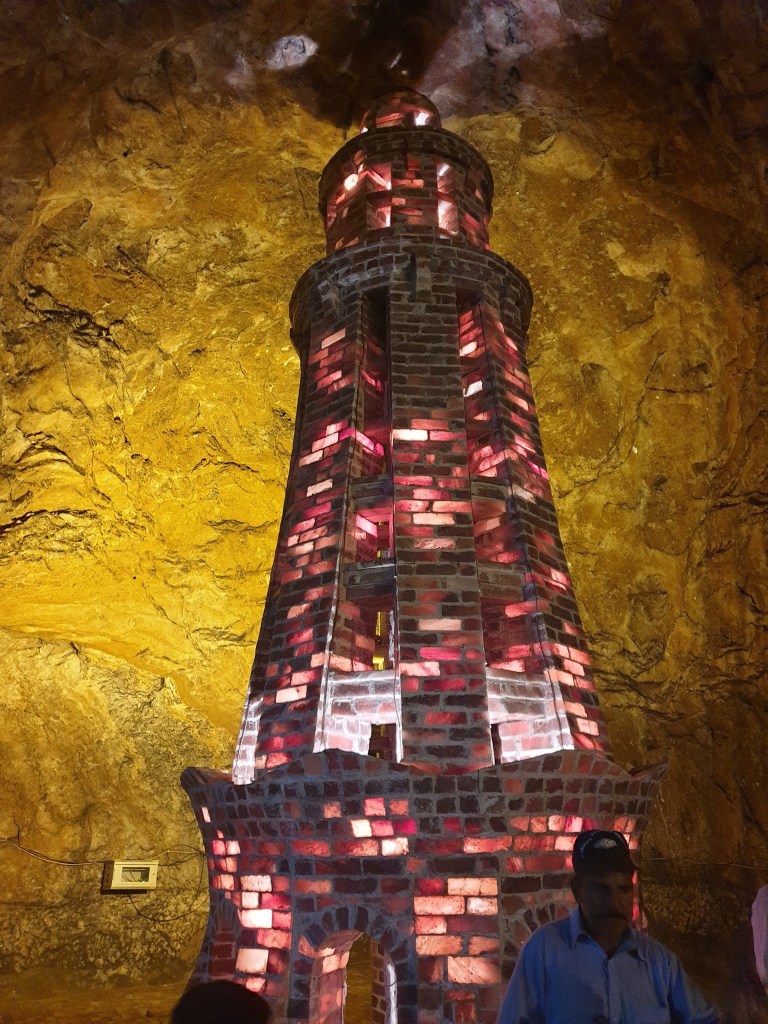

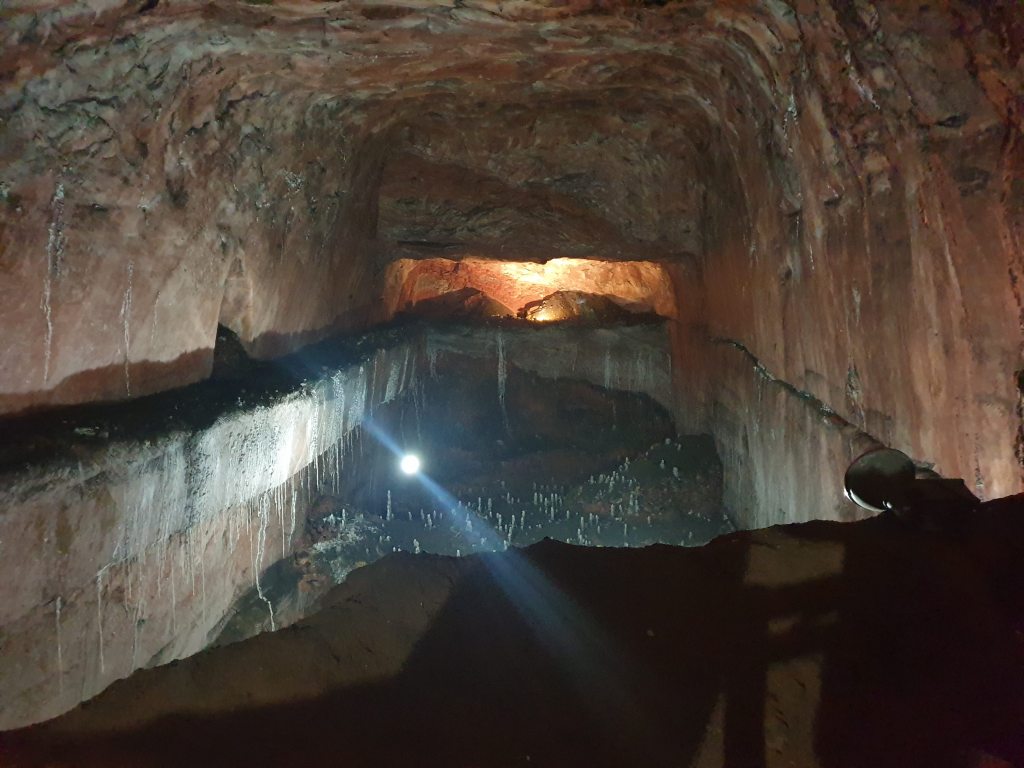
8. After the Salt Mines we decided to call it a day, despite the fact that close to this area was also the Katas Raj temple, also built by the Shahis.
For those interested in finding out more about the Shahis, please refer to my book “The Forgotten Kings” published in India by Simon and Schuster
Forgotten Kings eBook by Changez Jan | Official Publisher Page | Simon & Schuster
and in Pakistan by Folio Books
Forgotten KingsThe Story of the Hindu Sahi Dynasty – Folio Books
 History of Gandhara
Leave a comment