I decided to take another trip in Peshawar, mostly walking in the old city, we set off again with Saeed and we had hired another van.

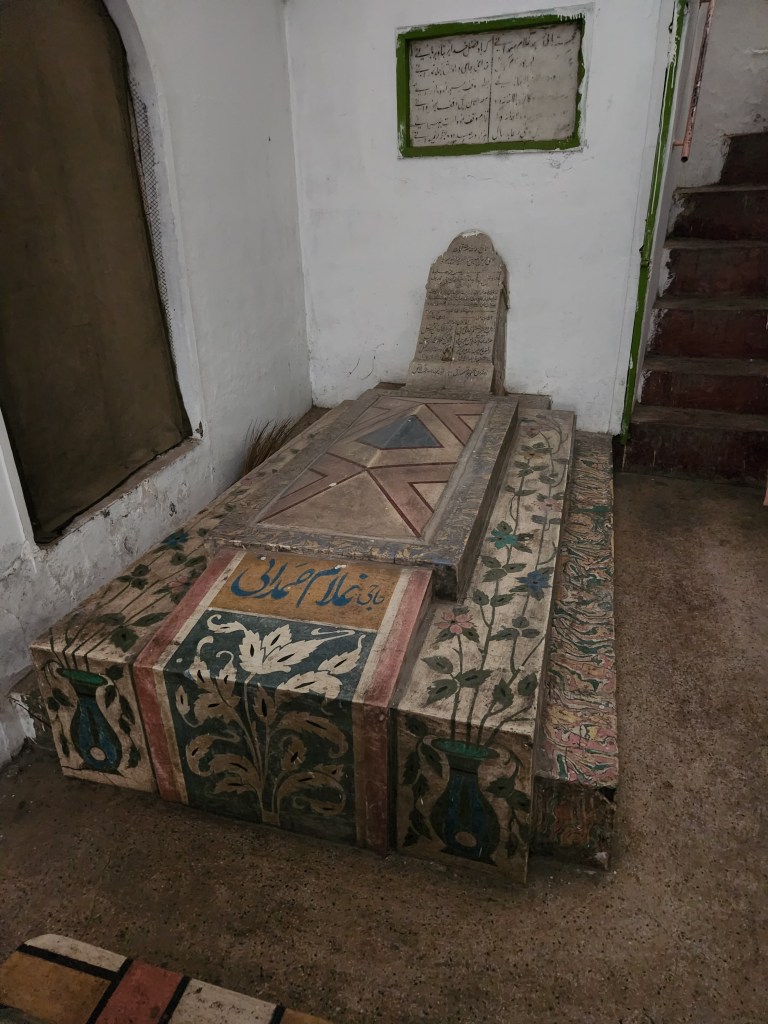
1. We started again at Masjid Qasim Ali and paid respect to my great grandfather, Ghulam Samdani Baba. He is buried there. Masjid Qasim Ali Khan is one of the oldest and most historic mosques in Peshawar, Pakistan. The original mosque was built during the Mughal era, around 1630, during the reign of Mughal Emperor Shah Jahan. It was commissioned by Qasim Ali Khan, a trusted governor and minister of the Mughal court, who served as an administrator in Peshawar. There was a lot of damage to the Mosque in the Sikh period, after which it had been refurbished by Ghulam Samdani.
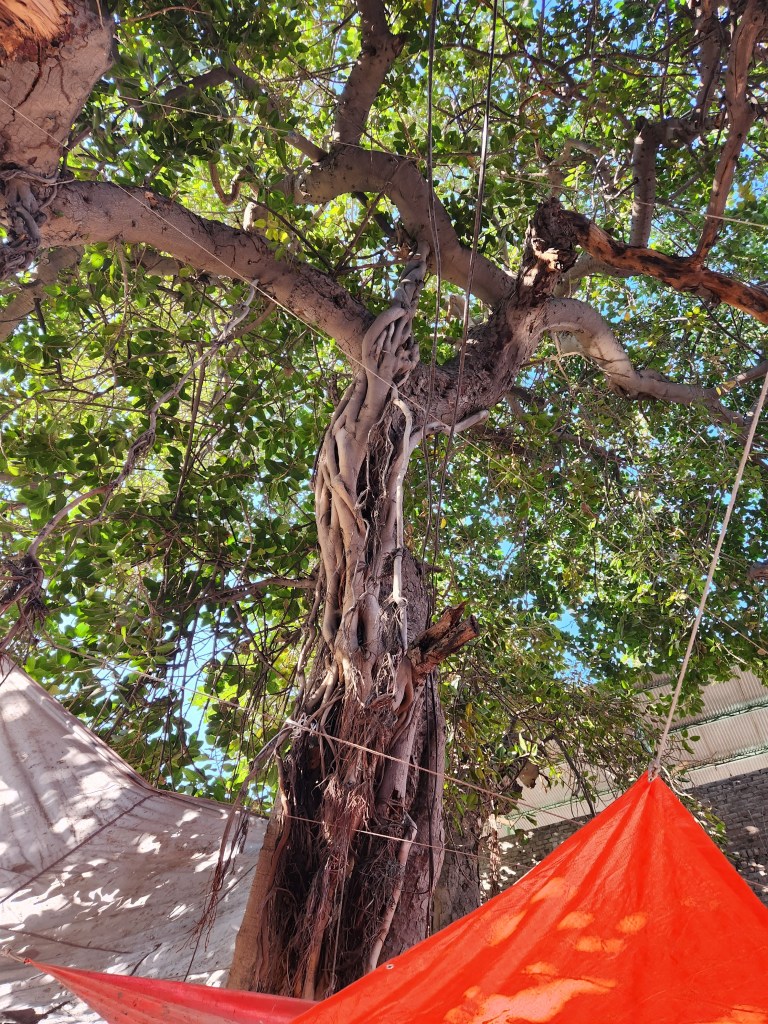
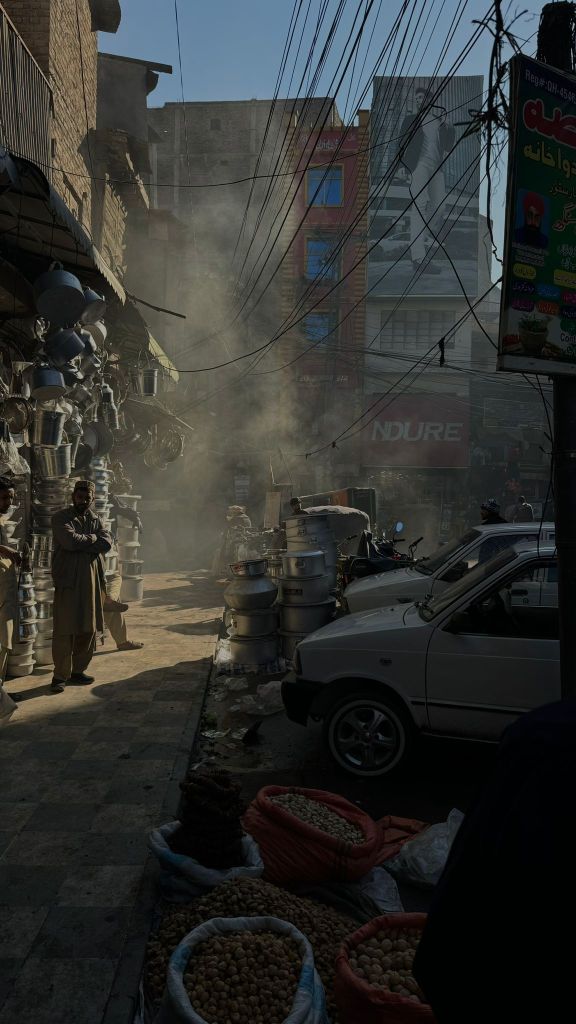
2. After the we waked in the old city, also known as the walled city, we walked through Pipal Mandi. The name is derived from the pipal tree that was once prominent in the area. Historically, pipal trees were considered sacred by Buddhists, indicating that this location has been a place of significance for centuries, even before the advent of Islam in the region. During the Mughal era, Pipal Mandi emerged as a thriving marketplace due to Peshawar’s position on the ancient Silk Road.
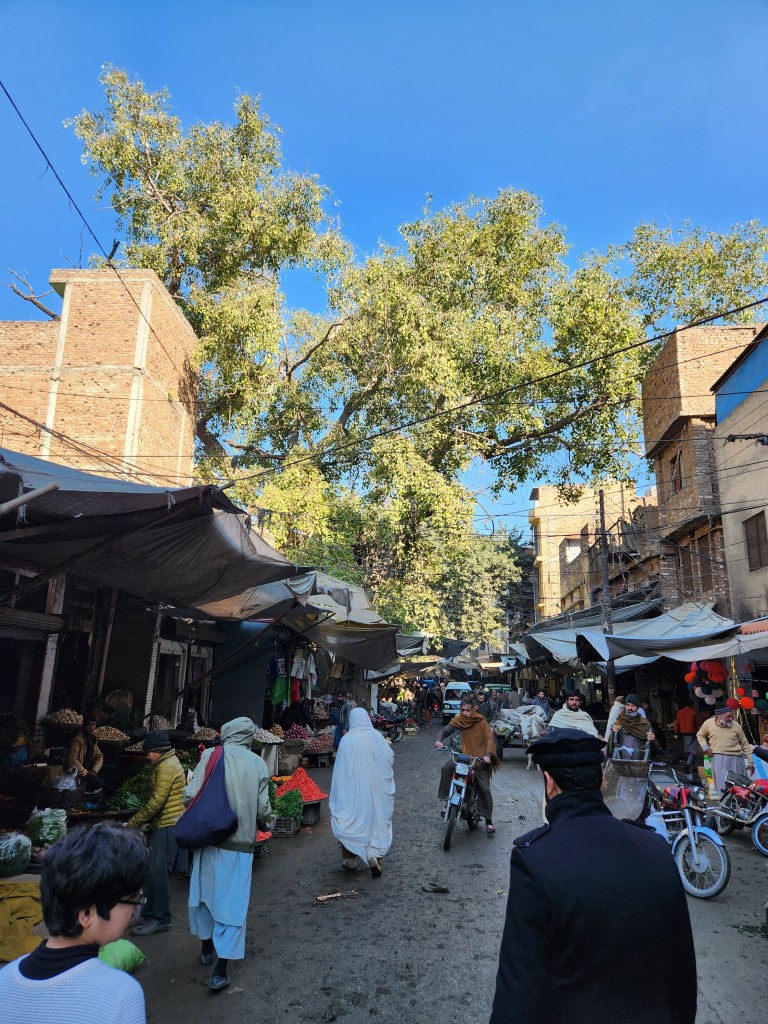
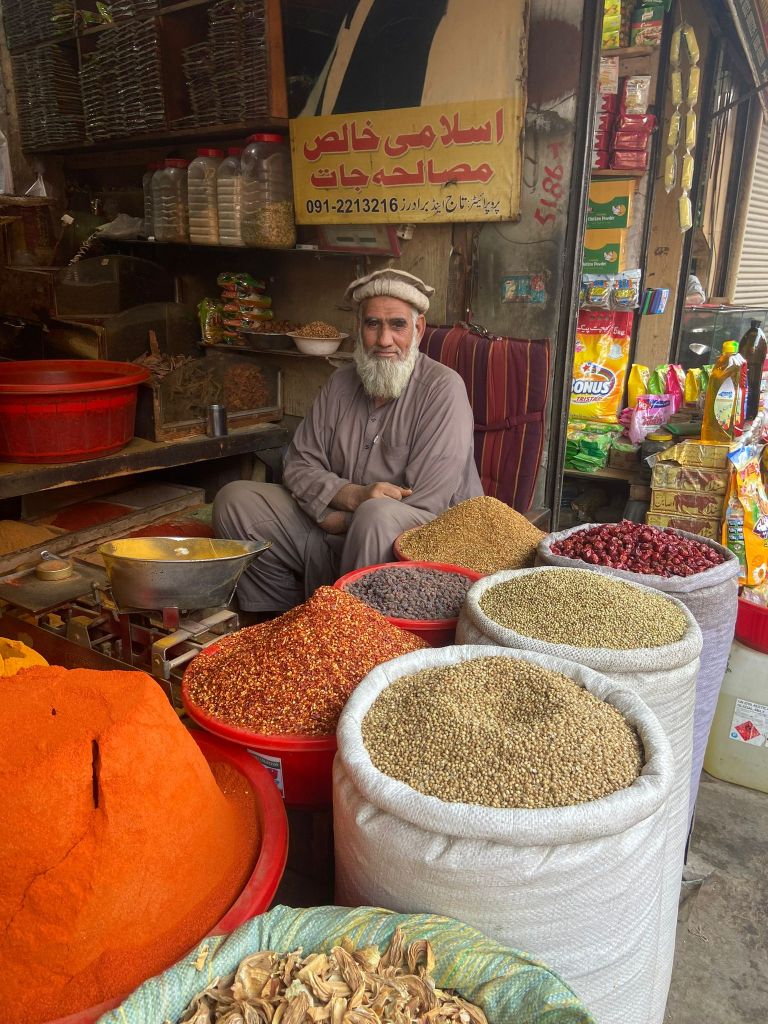
It became a hub for traders dealing in spices, textiles, dried fruits, and other commodities from Central Asia, Persia, and the Indian subcontinent. These are still sold there today
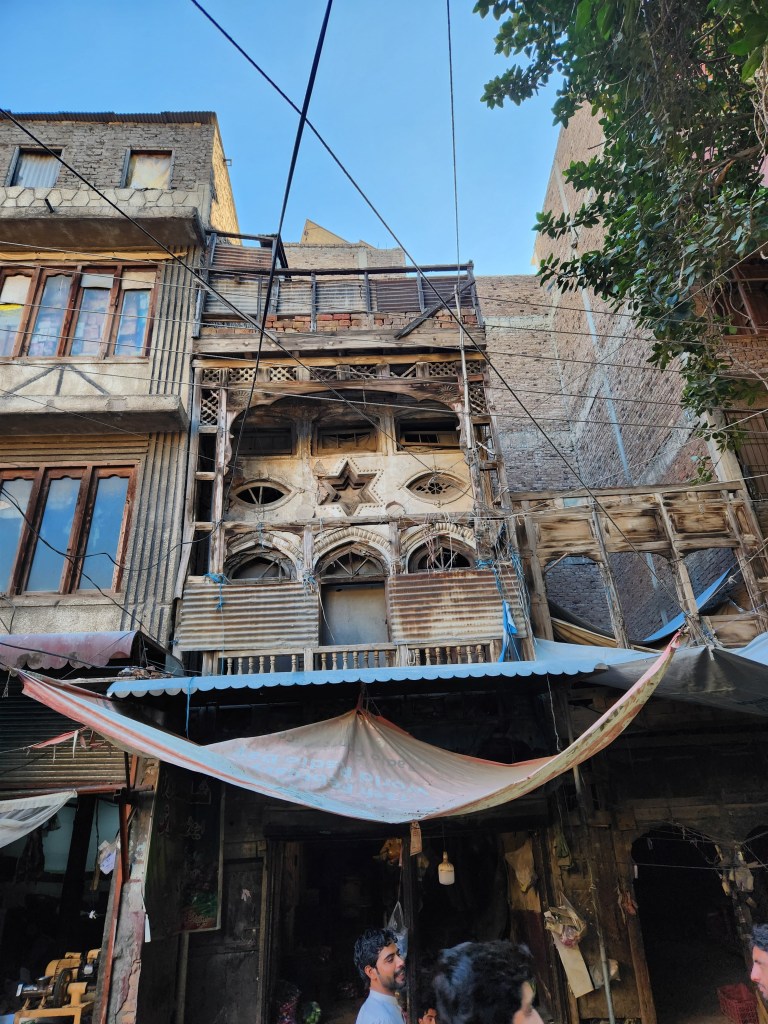
We found a curious looking old house with the ‘star of David’ on the facade between two eyes.
3. We walked to the “Sethi House”. The Sethi House, located in the heart of Peshawar’s Old City, is an architectural and historical gem that reflects the rich cultural heritage of the region. . The Sethi House, also known as the Sethi Mohallah, was built in 1884 by the Sethi family, a prominent and wealthy business dynasty in Peshawar. The family was involved in trade along the Silk Road, conducting business with regions like Central Asia, Afghanistan, India, and beyond.
The Sethi House is a popular destination for history enthusiasts, architects, and tourists, offering a glimpse into the luxurious lifestyle of Peshawar’s elite in the 19th century.
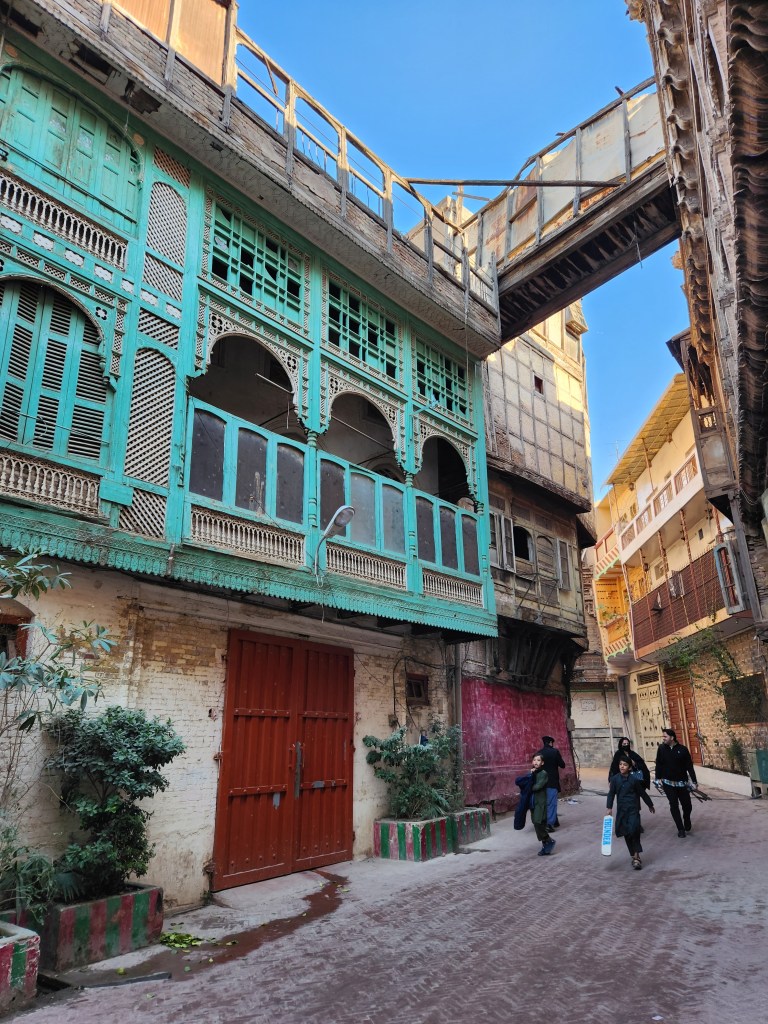
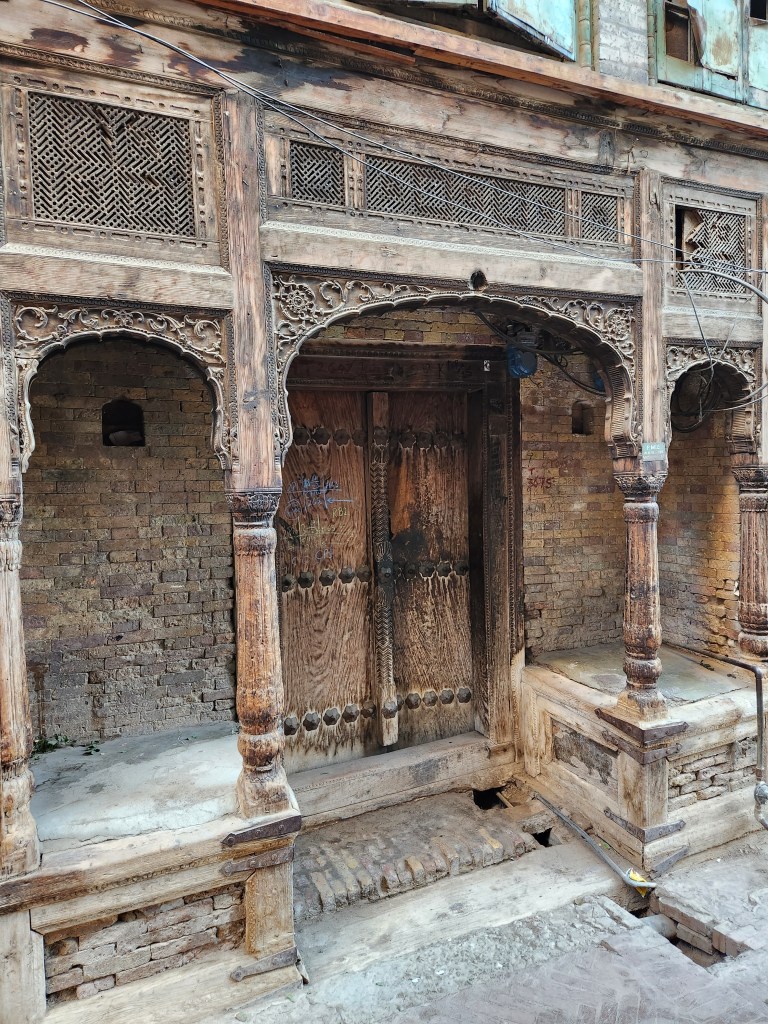
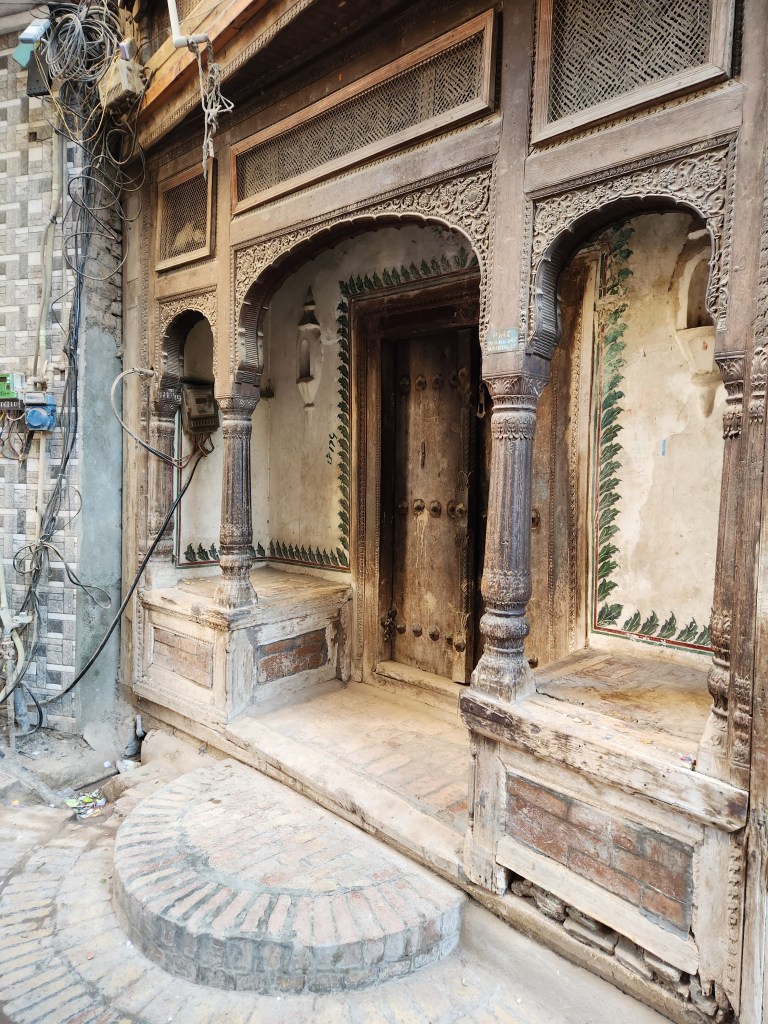
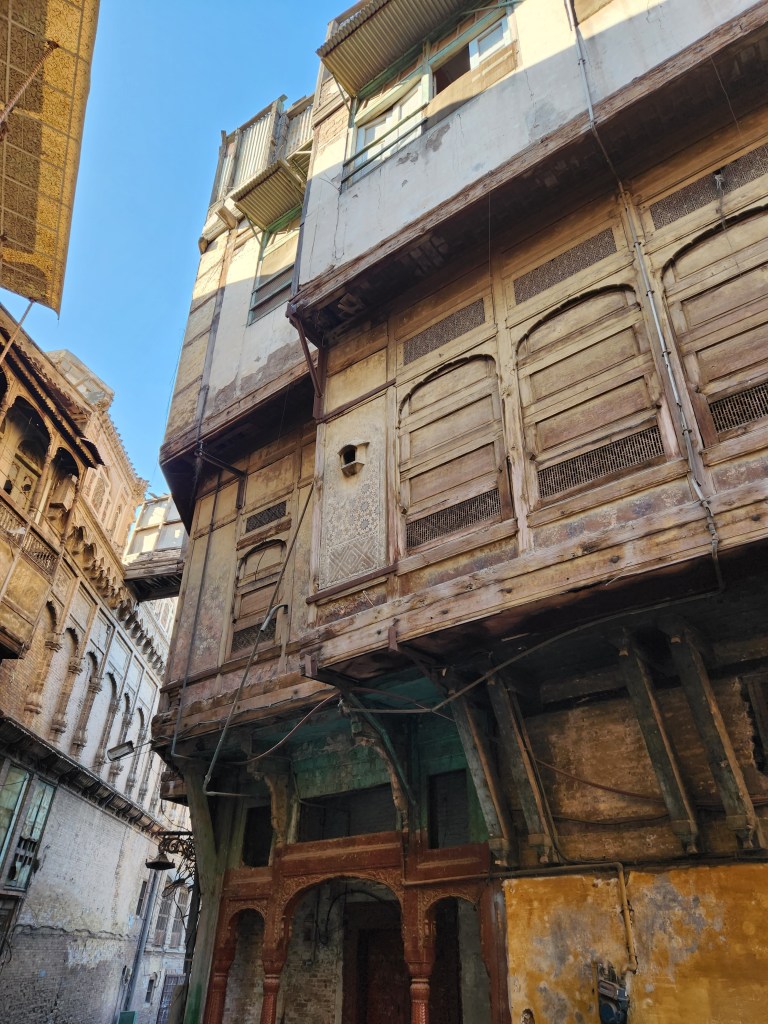
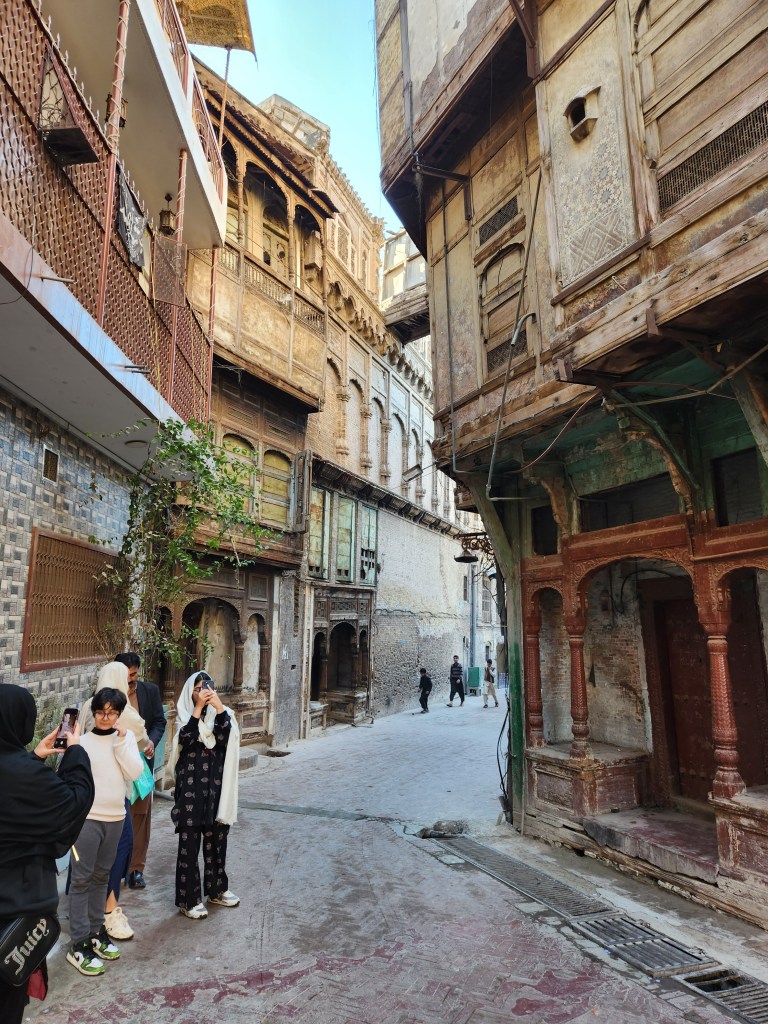

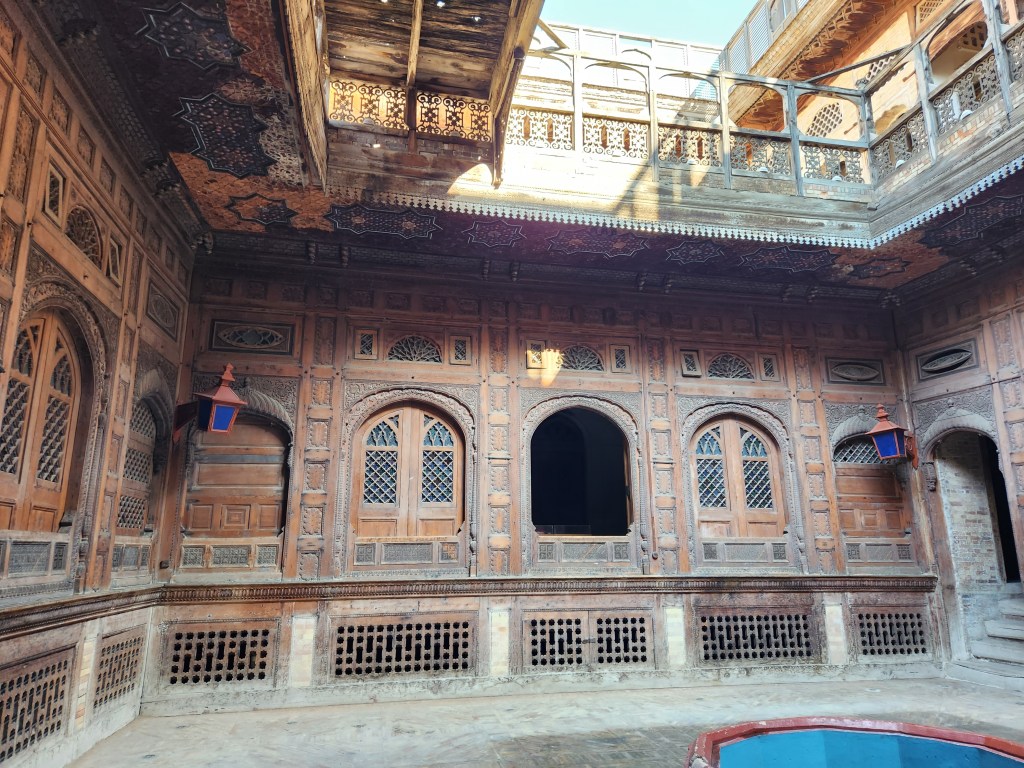

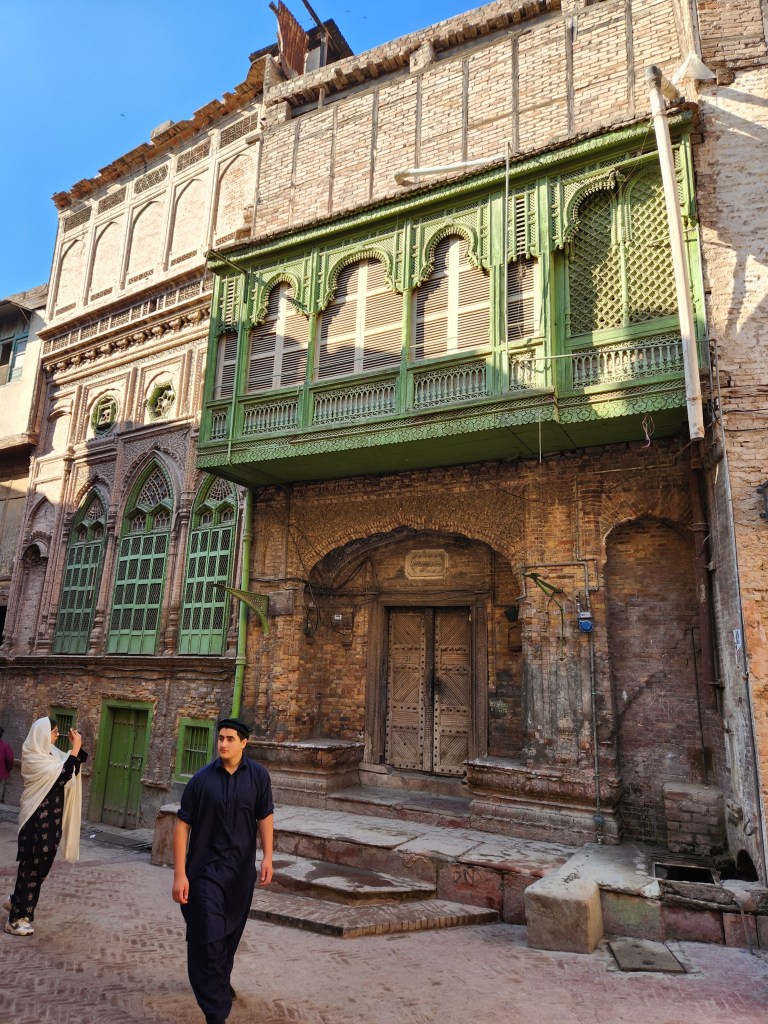
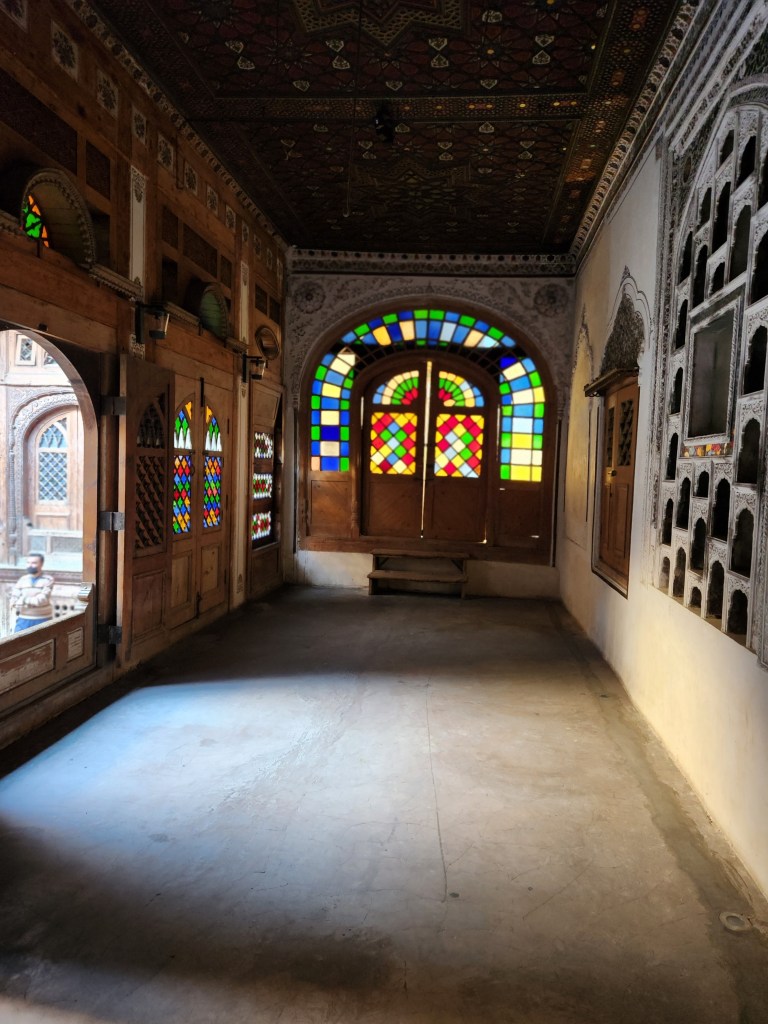
The Sethi House is a classic example of Central Asian and Mughal architectural influences. It combines intricate woodwork, frescoes, and geometric patterns that highlight the craftsmanship of the era.
The house features elaborately carved wooden doors, balconies, and jharokas (overhanging enclosed balconies), which are distinctive elements of the architecture.
4. We walked by Ghor Khattri and saw a plaque commemorating this as the residence of Pablo Avitabile, the Italian governor of Peshawar 1838-1842


5. After this we took the van which drove us to Namak Mandi . This is one of Peshawar’s most iconic and historic marketplaces, renowned for its vibrant atmosphere, unique culinary culture, and deep historical roots. Its name, which translates to “Salt Market,” reflects its original trade significance, though its identity has evolved over time. But we had not gone there to eat. We wanted to see the Namak Mandi Gemstone Market. This is one of the most renowned gemstone trading hubs in Pakistan and is famous internationally for its high-quality gemstones and skilled craftsmanship.
The market specializes in a wide variety of natural and untreated gemstones, including:
- Tourmaline, Aquamarine, Garnet, and Quartz: Popular gemstones found in abundance in Pakistan’s northern areas.
- Emeralds: High-quality emeralds from the Swat Valley, known for their vibrant green hue.
- Rubies: Rubies from Gilgit-Baltistan and Afghanistan are highly sought after.
- Sapphires: Blue sapphires sourced from the Hunza Valley and Kashmir.
- Lapis Lazuli: Famous deep blue stones from Afghanistan.
- Topaz: Golden and pink topaz from Katlang, Mardan.
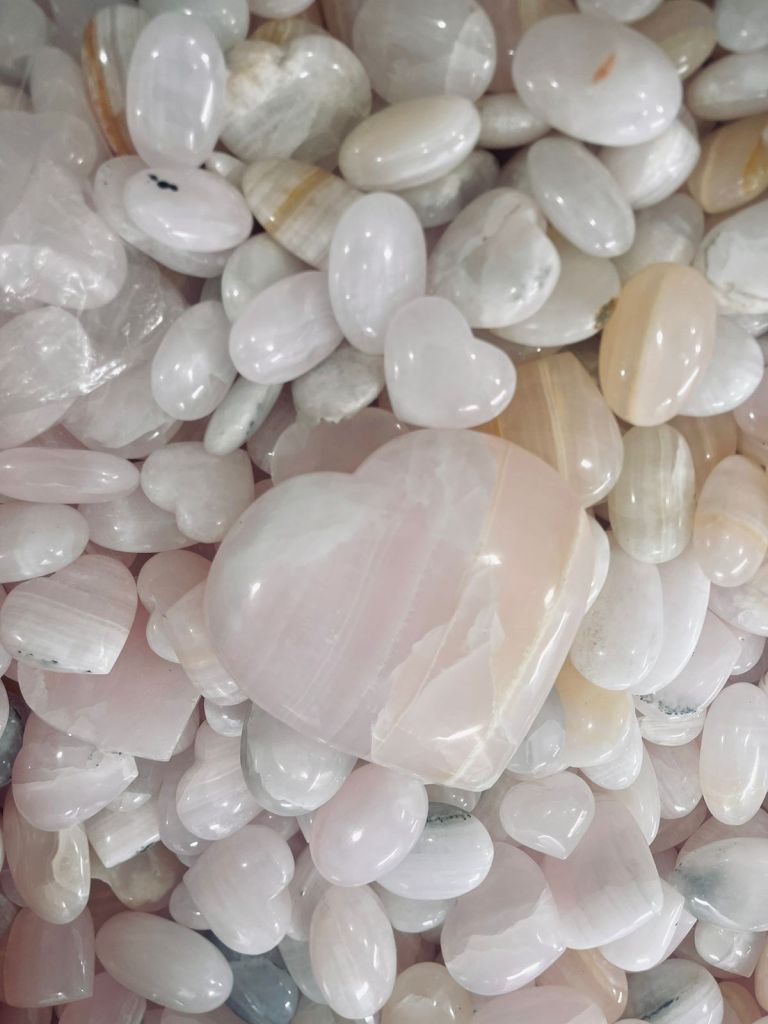
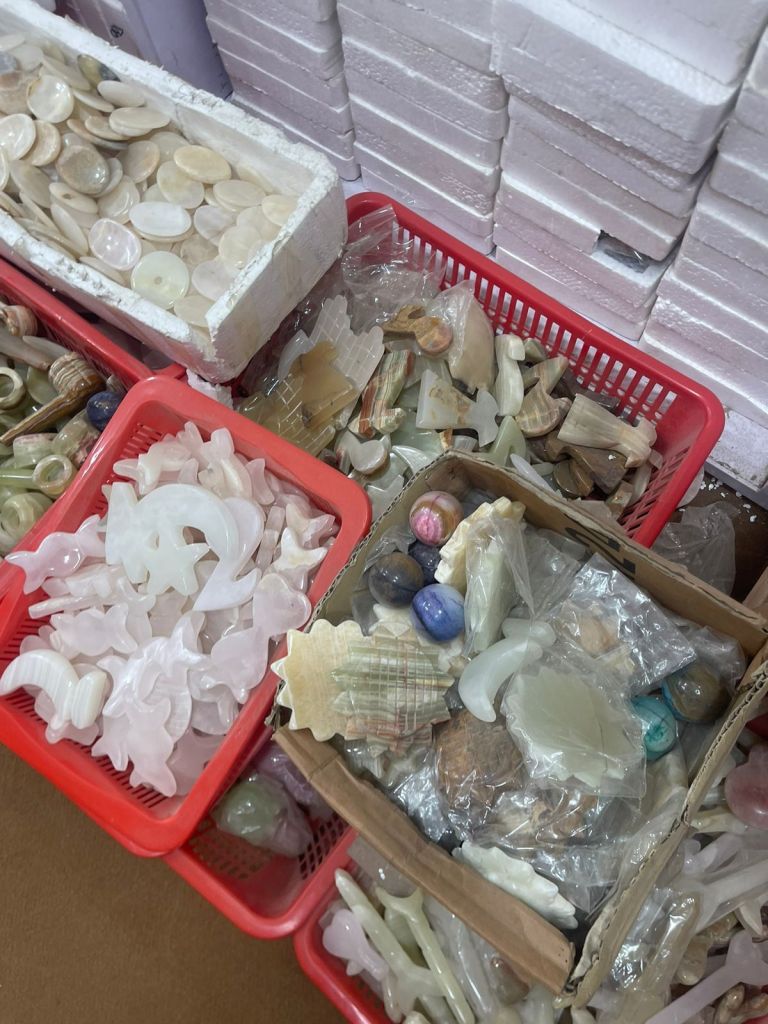
But we visited a shop selling other varieties of stone:
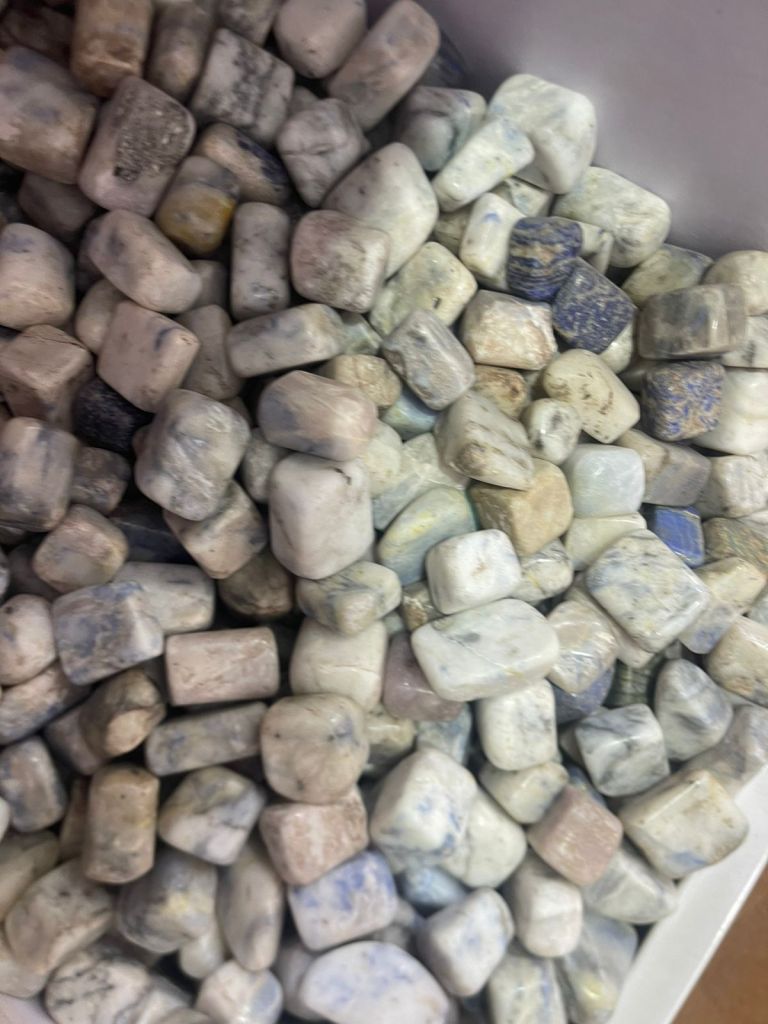
More pictures of stones obtained there in the past:
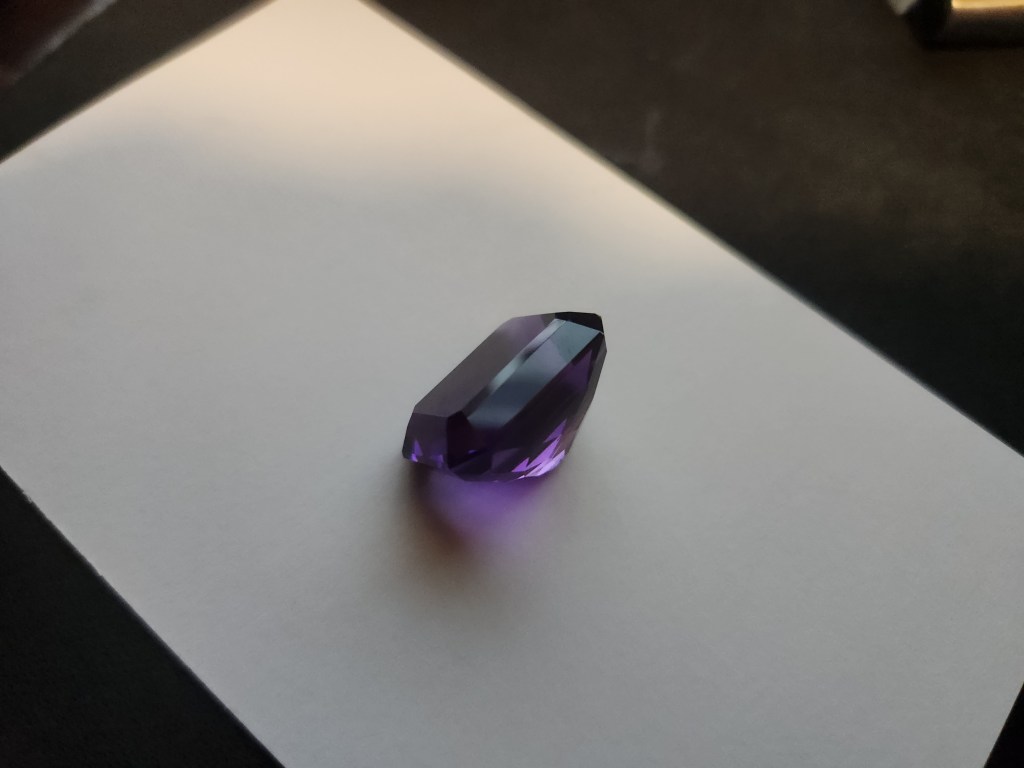

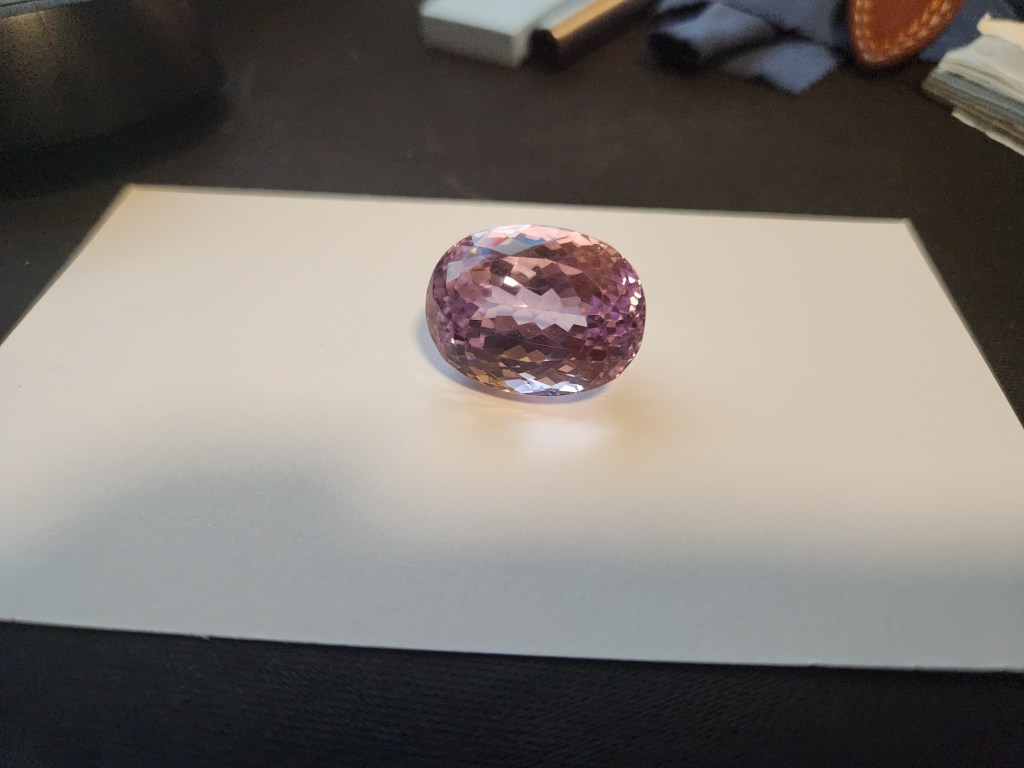
6. After this we headed home.
 History of Gandhara
Leave a comment